


Legal Challenge to New Tariff Regime
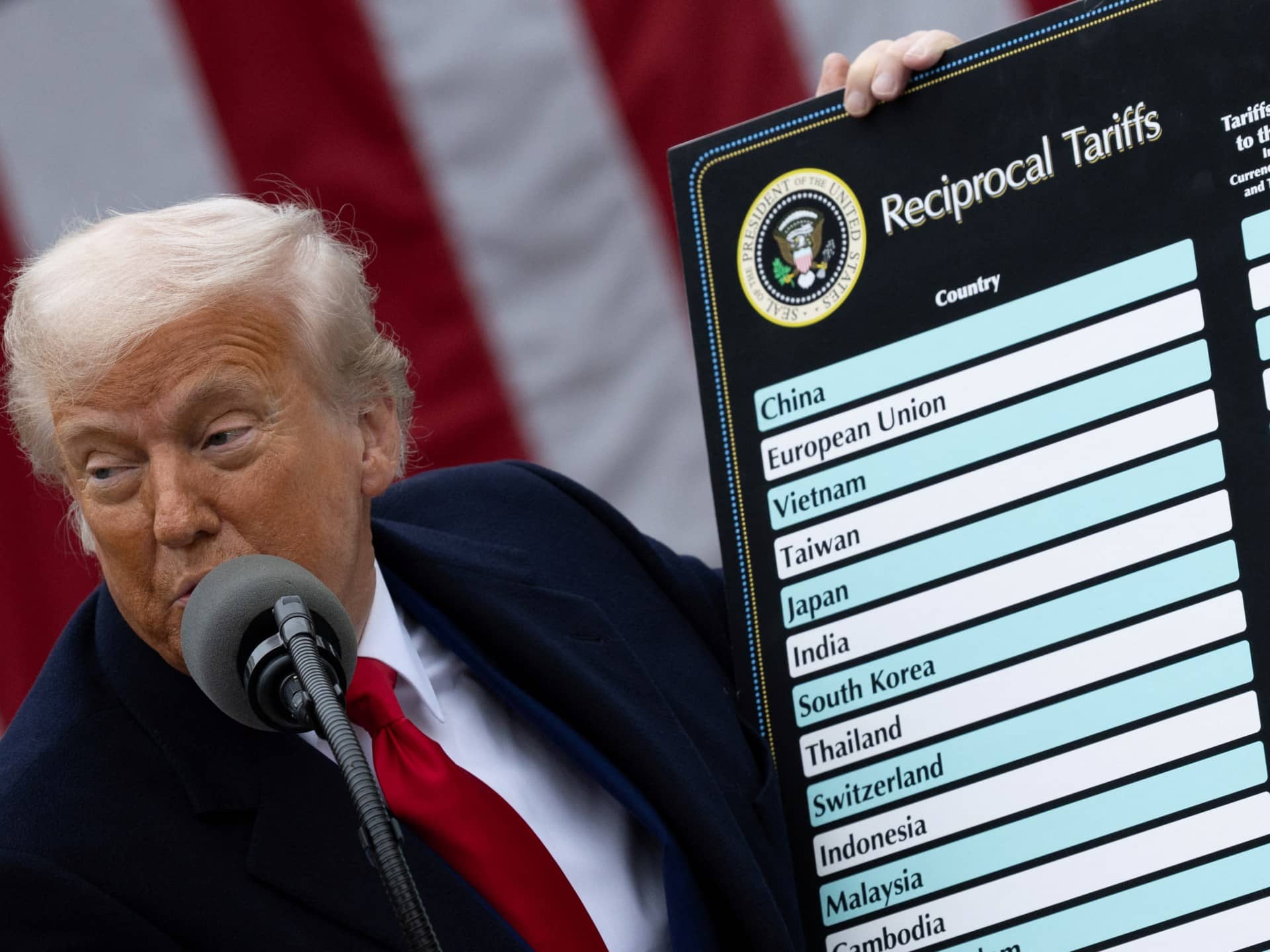
A coalition of 25 Democratic-led states has initiated legal action against the Trump administration regarding recently implemented trade measures. The lawsuit, filed in the US Court of International Trade on Monday, challenges the legality of double-digit tariffs imposed on 60 trading partners. According to the filing, the group of states claims that President Donald Trump exceeded his legal authority in implementing these levies.
The new tariffs were introduced last month. The administration stated that the measures were necessary due to allegations that the targeted trading partners were not doing enough to stop the importation of goods produced with forced labor. The states argue that the implementation of these duties falls outside the scope of executive power granted under current law.
Allegations of Pretext for Previously Blocked Duties
The lawsuit contends that the administration's justification for the tariffs serves as a pretext to re-impose duties that were previously ruled illegal by the US Supreme Court. The states allege that the new framework is designed to circumvent prior judicial rulings that invalidated similar trade restrictions.
By characterizing the levies as a mechanism to bypass Supreme Court decisions, the plaintiffs are seeking judicial intervention to halt the enforcement of the tariffs. The filing asserts that the administration's reliance on forced labor allegations masks an intent to restore tariff structures that have already been deemed unlawful by the highest court in the United States.
Scope of the Dispute and Affected Nations
The legal challenge addresses a broad scope of international trade relations, covering 60 distinct trading partners. The tariffs described in the lawsuit are characterized as double-digit percentages, representing a significant increase in costs for imported goods from these nations.
The administration's position, as cited in the context of the lawsuit, links the tariffs directly to compliance issues regarding forced labor. Officials have asserted that the targeted countries have failed to take sufficient action to prevent their markets from being used for the importation of goods manufactured through forced labor practices. The states contest this justification, arguing that it does not provide a legal basis for the specific duties imposed.
Procedural Details and Jurisdiction
The case was brought before the US Court of International Trade, a federal court with specialized jurisdiction over disputes involving customs laws and international trade. The filing on Monday marks the formal commencement of the legal battle between the state coalition and the federal executive branch.
The lawsuit represents a coordinated effort by Democratic-led states to challenge federal trade policy. By consolidating their legal resources, the 25 states aim to present a unified argument against the administration's interpretation of its tariff powers. The outcome of this case could determine the validity of using forced labor compliance as a basis for imposing broad-based tariffs on multiple trading partners.
Implications for Trade Policy
The dispute highlights ongoing tensions between state governments and the federal administration over trade enforcement mechanisms. If the court rules in favor of the states, it could invalidate the current tariff structure and force the administration to seek alternative legal grounds for trade restrictions.
The administration has not issued a direct response to the specific allegations in the lawsuit within the provided context. However, the initial imposition of the tariffs was accompanied by statements regarding the necessity of addressing forced labor imports. The states maintain that these statements do not override previous Supreme Court rulings on illegal tariffs.
Timeline of Events
The sequence of events leading to the lawsuit began with the imposition of the new tariffs last month. This was followed by the filing of the legal challenge in the US Court of International Trade on Monday. The states argue that the timeline demonstrates a deliberate attempt to implement duties before facing judicial scrutiny, despite prior rulings against similar measures.
The case remains active in the US Court of International Trade. The states continue to seek a halt to the enforcement of the tariffs while the legal arguments regarding executive authority and Supreme Court precedents are adjudicated.