

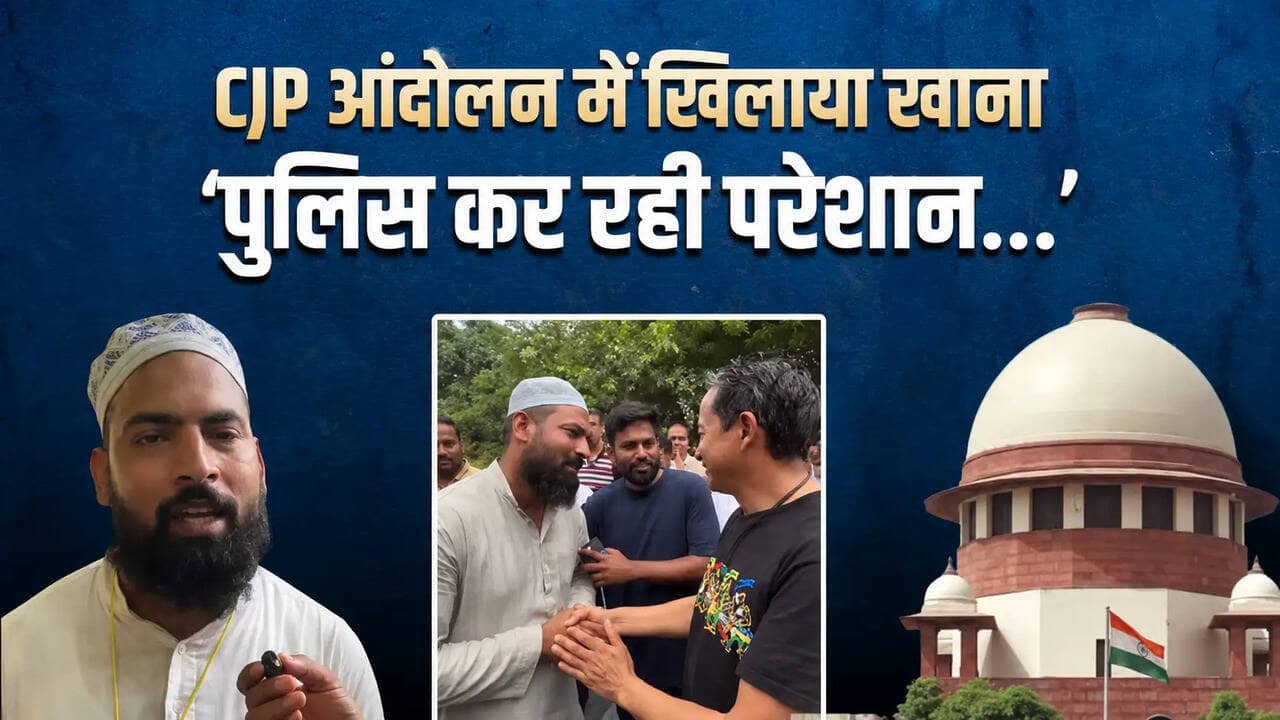

Activist Submits Petition Seeking Legal Safeguards
An individual identified as an activist named Junaid has officially filed a petition with the Supreme Court. The document seeks specific legal protections for individuals who provide aid during protest events. This filing marks a formal request to address potential actions that could stem from the role of providing support in such contexts. The petitioner, Junaid, emphasizes the nature of his involvement regarding the distribution of food items at these gatherings. He asserts that his participation was driven purely by humanitarian motives rather than any connection to unlawful activities or organized protest leadership. The core argument presented in the filing is that offering sustenance and basic necessities should not automatically implicate an individual in illegal conduct associated with a demonstration.
The petition explicitly raises questions regarding the legal responsibilities of individuals who offer support during protests. It suggests that current interpretations might need adjustment to ensure those engaged in humanitarian efforts are treated fairly under existing laws. By bringing this matter before the highest judicial body, Junaid aims to establish a precedent or clarification on how aid providers interact with law enforcement and legal frameworks.
Humanitarian Context of Food Distribution
The specific concern highlighted by Junaid centers on his actions related to providing food during protests. The activist argues that the act of distributing meals is distinct from organizing, leading, or participating in unlawful acts often associated with public demonstrations. He maintains a clear distinction between humanitarian aid and political activism within this context. According to the details provided in the filing, Junaid states that his involvement was strictly limited to ensuring people had access to food. This assertion forms the basis of his request for legal protection. The petition posits that individuals acting out of compassion should not face legal repercussions simply because they were present at a protest site offering sustenance. The case underscores broader implications regarding how laws are applied to those engaged in humanitarian efforts during times of civil unrest or public assembly. It suggests that the line between lawful aid and unlawful association needs clear definition by judicial authorities. The Supreme Court's potential decision on this matter could significantly impact future interactions between aid providers, protest organizers, and law enforcement agencies.
Legal Implications for Aid Providers
The filing brings attention to a critical area of legal interpretation: the responsibilities of those offering support during protests. Junaid argues that without explicit clarification from higher courts, individuals like him may face uncertainty regarding their rights and liabilities. The petition seeks to prevent potential actions against aid providers based solely on their presence or assistance at protest sites. The Supreme Court's role in resolving this matter is described as crucial by the petitioner. A decision rendered here would set a tone for how similar cases are handled across different jurisdictions within the legal system. It could determine whether providing food constitutes an accessory to unlawful assembly under current statutes or if it remains protected under humanitarian exemptions.
Importance of Fair Evidence Evaluation
The situation described in the petition underscores the importance of a fair evaluation of evidence involving individuals engaged in humanitarian efforts. Junaid contends that his actions must be assessed on their own merits rather than being conflated with the activities of protest organizers or participants who may have committed unlawful acts. The filing calls for an impartial review where the intent behind providing aid is weighed separately from the overall context of a protest event. This approach aims to ensure that rights are not compromised simply because an individual was in proximity to illegal activities they did not support or organize. The petition highlights risks faced by those attempting to maintain neutrality while offering essential services.
As the investigation into these matters unfolds, the Supreme Court's decisions will be pivotal in determining the outcome for Junaid and others in similar situations. The court’s ruling could influence how legal protections are extended or denied based on specific actions taken during public demonstrations. This development reflects ongoing debates about balancing security concerns with humanitarian principles within a democratic framework. The petition serves as a formal mechanism to bring these issues into the judicial spotlight. It invites scrutiny of existing laws and their application in complex scenarios involving civil society actors. By submitting this request, Junaid hopes to contribute to a clearer understanding of legal boundaries for aid providers operating during protests.