

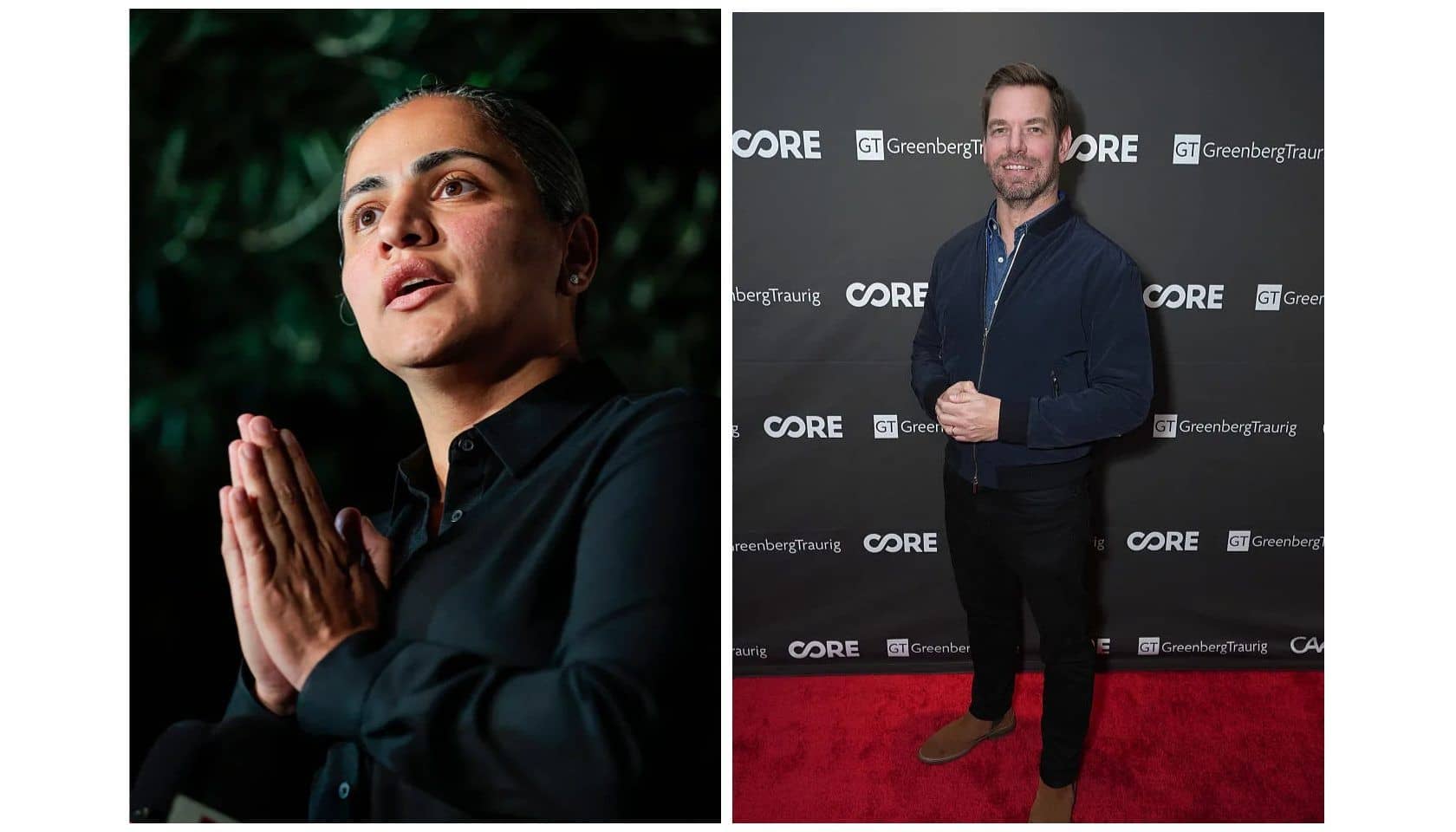

Wahab Secures Congressional Seat in Special Election
California State Senator Aisha Wahab achieved a significant victory on Thursday, winning a special election to serve out the remainder of former Congressman Eric Swalwell’s term. This election was held to fill the vacant seat, and Wahab's success marks a notable moment in California politics.
According to the Associated Press, Wahab, a candidate identified with the progressive wing of her party, successfully defeated her opponent, Bay Area Rapid Transit Director Melissa Hernandez. Hernandez was characterized as a more moderate candidate, setting up a clear ideological contrast in the race.
With this electoral triumph, Wahab has made history as the first Afghan American elected to Congress, a milestone that underscores the increasing diversity within the nation's legislative body. Her victory in this special election positions her to run again in November for a full two-year term, indicating the ongoing political journey ahead.
Following the announcement of the election results, Wahab issued a statement, reported by The Guardian, asserting that her win proved her district "cannot be bought." This declaration directly addressed the substantial financial pressures and external spending that characterized the campaign, highlighting a key narrative of her successful bid.
Financial Powerhouses Shape the Campaign Narrative
The special election contest was notably defined by an extraordinary influx of financial expenditures from outside groups, creating a high-stakes environment for both candidates. Reports from The Guardian indicated that several Super PACs collectively spent over $5 million in the closing weeks of the campaign. These funds were primarily directed towards advertisements that both supported Melissa Hernandez and launched attacks against Aisha Wahab, significantly shaping the public discourse leading up to election day.
Aisha Wahab's campaign faced a formidable financial disadvantage, as she was reportedly significantly outspent by her opponent, largely due to these external contributions. The scale of spending by Super PACs, which are permitted to raise and spend unlimited amounts of money to overtly advocate for or against political candidates, amplified the challenge for Wahab's grassroots-focused efforts.
External Advocacy and Policy Positions on Gaza
A major contributor to the financial landscape of the election was the American Israel Public Affairs Committee (AIPAC). The organization reportedly spent nearly $6.4 million in direct support of Melissa Hernandez’s campaign. This substantial investment from AIPAC was widely reported to be linked to Aisha Wahab’s political positions concerning the ongoing conflict in Gaza.
Wahab’s stance on Israel’s actions in Gaza emerged as a critical point of contention and a defining issue during the election cycle. At a candidate forum held in April, Wahab was directly asked whether Israel’s actions in Gaza could be considered genocide. Her unequivocal response was "yes." This clear articulation of her position drew significant attention and, according to reports, played a direct role in attracting the considerable external funding that flowed into the race.
In contrast, Melissa Hernandez offered a different perspective when addressing similar inquiries regarding the conflict. While acknowledging Israel’s right to defend itself, Hernandez reportedly stated that "the destruction in Gaza has gone too far." This more moderate position, balancing support for Israel's security with concern over humanitarian impacts, was cited as a key factor in the influx of AIPAC support for her campaign, creating a stark policy divide between the two candidates that resonated with powerful advocacy groups.