

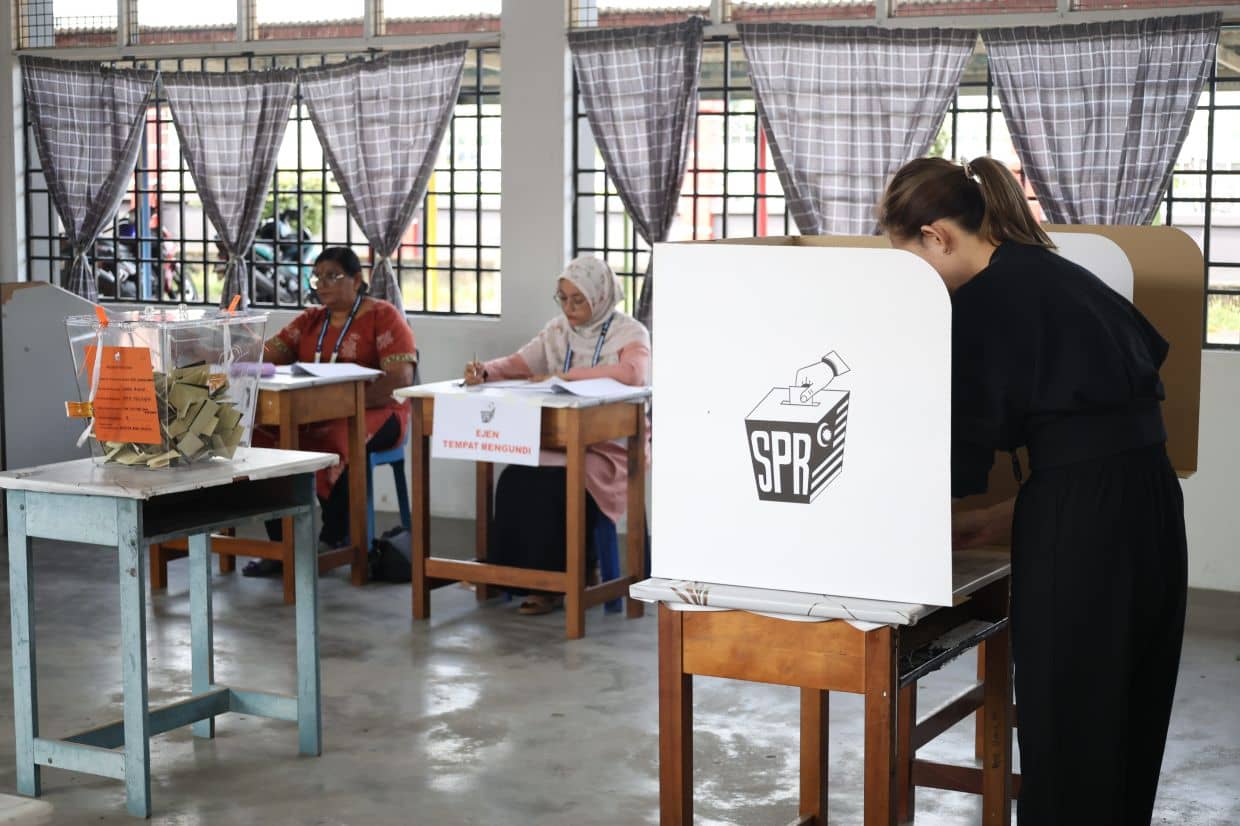

Demographic Shifts in Johor’s Electorate
JOHOR BARU: Political analysts have identified young and first-time voters as a potentially decisive factor in the upcoming 16th Johor state election. This assessment follows the implementation of Undi18 and automatic voter registration, which have significantly increased the number of eligible voters in the state.
The expansion of the electorate has altered the composition of voting pools in several constituencies. Analysts note that these new voters are expected to play a critical role in closely contested seats where margins of victory have historically been narrow.
According to reports from The Star, the surge in eligible voters is directly attributed to the recent legal and administrative changes regarding voter registration. These changes have lowered the voting age and automated the enrollment process, bringing a new demographic into the political fold ahead of the polls.
The Undi18 initiative, which saw the voting age lowered from 21 to 18, represents a monumental shift in Malaysia's electoral landscape. Coupled with automatic voter registration, this reform has removed previous barriers to participation, ensuring that a broader segment of the youth population is now included in the democratic process without needing to actively apply. This influx of younger voters, many of whom are casting their ballots for the first time, is not only significant in numbers but also in their potential political leanings, which may differ from established voting blocs.
These demographic shifts are particularly impactful in Johor, a state known for its dynamic political environment. The sheer volume of newly enfranchised individuals means that traditional electoral calculations based on historical turnout and demographic profiles may no longer hold true. Political strategists are now grappling with how to understand and engage this expanded and diverse voter base, especially in urban and semi-urban areas where the concentration of young people is often higher.
The Influence of Fence-Sitting Voters
Beyond first-time voters, analysts are also pointing to "fence-sitting" voters as a group that may hold sway over the election results. These individuals, who have not yet committed to a specific political party or coalition, are viewed as pivotal in determining the final tally in competitive districts.
The presence of these undecided voters suggests that traditional voting patterns may not fully predict the outcome of the 16th Johor state election. Political observers suggest that campaigns will need to target this specific demographic more aggressively than in previous cycles.
Fence-sitting voters are distinct from traditional party loyalists because their decisions are often made closer to election day, influenced by current issues, candidate appeal, and campaign messaging rather than long-standing allegiances. They represent a significant swing factor, particularly in constituencies where the difference between winning and losing candidates could be just a few hundred votes. Their uncommitted status makes them a prime target for last-minute appeals and a critical demographic for parties aiming to secure a majority.
Implications for Campaign Strategies
The anticipated influence of young and undecided voters implies a shift in how political parties might allocate resources and craft messaging. With a larger pool of eligible voters who have not yet established long-term partisan loyalties, the dynamics of voter engagement are changing.
Analysts emphasize that the outcome in closely contested seats will likely depend on the ability of candidates to mobilize these specific groups. The density of first-time voters in certain areas could tip the balance in races that were previously considered safe for established parties.
Campaign strategies are expected to evolve significantly, moving beyond conventional rallies and print advertisements to embrace more digital-centric approaches. Social media platforms, online forums, and targeted digital campaigns are becoming essential tools to reach younger voters and engage with fence-sitters who may be seeking information and perspectives from diverse sources. Messaging will likely pivot towards issues that resonate deeply with these demographics, such as economic opportunities, cost of living, environmental concerns, and good governance, rather than focusing solely on traditional political narratives.
Furthermore, the ground game in competitive constituencies will become even more crucial. Parties will need to deploy dedicated teams to conduct door-to-door canvassing, community outreach programs, and localized events designed to directly address the concerns of these pivotal voter segments. The goal will be not only to inform but also to persuade and, ultimately, to ensure that these newly engaged and undecided voters turn out on election day.
Election Timeline and Voter Eligibility
The 16th Johor state election is scheduled to take place with the newly expanded electorate fully registered. The implementation of automatic voter registration has streamlined the process, ensuring that eligible young citizens are included in the rolls without requiring active application.
This administrative change has resulted in a measurable increase in the total number of eligible voters. The timing of this expansion coincides with the buildup to the state polls, giving political analysts ample time to study the potential impact on voting behavior.
The seamless integration of millions of new voters into the electoral system through automatic registration marks a significant milestone in Malaysia's democratic journey. This reform not only broadens participation but also enhances the integrity and efficiency of the voter registration process. By removing the onus on individuals to register themselves, it addresses potential disenfranchisement, particularly among those who might be less informed or face logistical challenges in registering.
Focus on Closely Contested Seats
While the overall voter base has grown, the specific focus for analysts remains on seats where the margin of victory is expected to be slim. In these constituencies, even a small shift in preference among young or undecided voters could result in a different political outcome.
The anticipation of this influence highlights the strategic importance of the Johor polls. As the election date approaches, attention will remain on how effectively parties can engage with the newly eligible and undecided segments of the population.