


Energy Supply Disruptions Fuel Market Optimism
Australian equity markets are projected to open with gains as global oil prices experience a significant surge, driven by escalating geopolitical tensions in the Middle East. The rally in energy costs follows fresh attacks attributed to Yemen’s Houthi movement and Iranian-linked groups, which have intensified concerns regarding the stability of crude oil supplies.
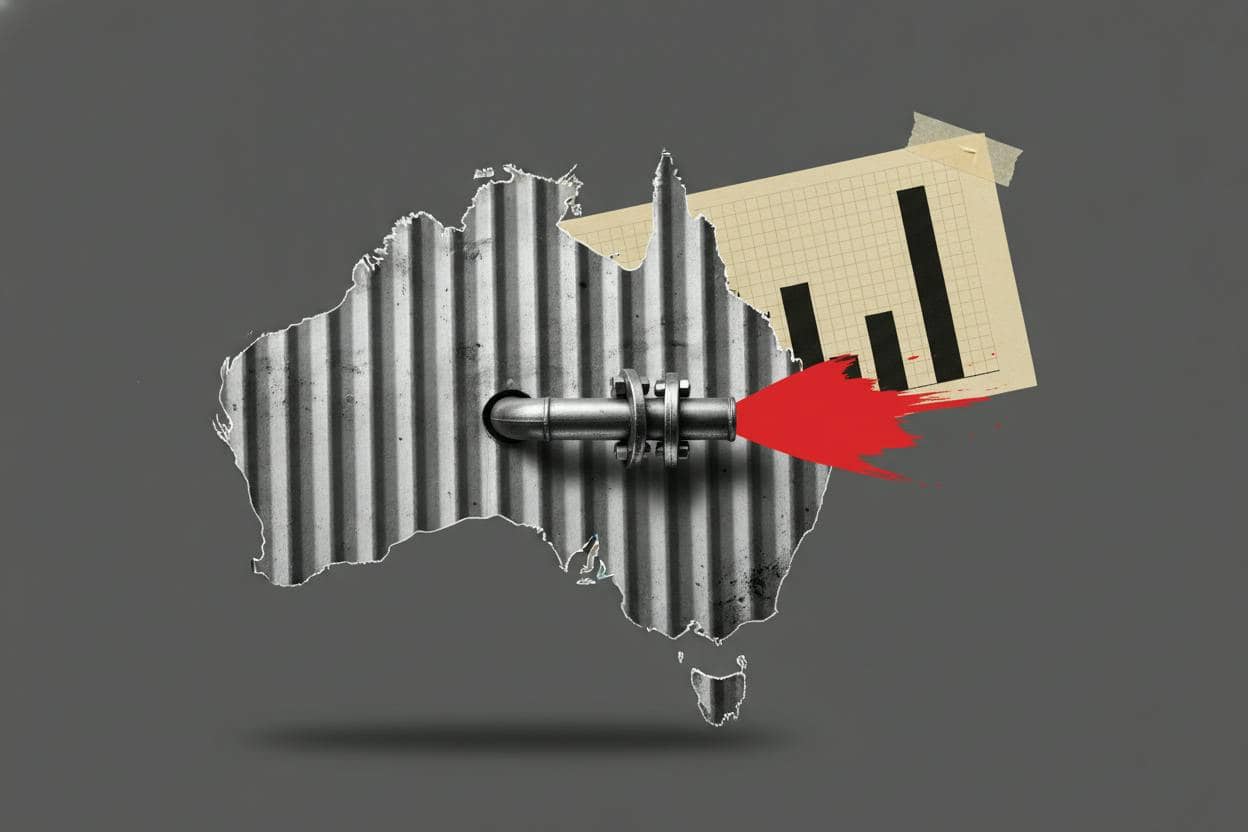
Compounding these supply fears is the shutdown of Saudi Arabia’s key East-West pipeline. This infrastructure failure has revived market anxiety over potential tightening of global crude availability. According to estimates cited in market analysis, if the Saudi pipeline remains offline, as much as 4% of global oil supply could be at risk.
The immediate impact of these disruptions is expected to translate into higher costs for fuel, transport, and freight. Analysts note that oil price volatility can quickly evolve into an inflationary story, prompting investors to reassess their positions in the Australian Securities Exchange ahead of the trading session.
Central Bank Watch: Balancing Inflation and Economic Growth
Beyond commodity prices, market participants are closely monitoring domestic monetary policy signals. Investors are awaiting a speech by Reserve Bank of Australia Assistant Governor Sarah Hunter to gauge how policymakers are weighing inflation risks against the threat of an economic slowdown.
The timing of this address is critical for financial markets. If investors conclude that higher energy prices will contribute to persistent or "sticky" inflation, expectations for future interest rate cuts may be delayed. Such a shift in monetary policy outlook typically manifests first in rising Australian government bond yields.
Market observers are parsing the assistant governor’s remarks for clues on whether the central bank views current price pressures as temporary or structural. The intersection of external energy shocks and internal economic data creates a complex environment for interest rate expectations, with bond yields serving as a primary indicator of market sentiment regarding future policy moves.
Corporate Developments Shape Individual Stock Performance
In company-specific news, several major Australian firms are navigating significant corporate developments that may influence broader market trends. FleetPartners Group, a vehicle leasing company, announced that it has received three revised takeover proposals. The firm is currently evaluating these offers as part of its strategic planning.
Meanwhile, REA Group, a provider of property listings services, reached a court-enforceable agreement with the Australian Competition and Consumer Commission (ACCC). The resolution addresses concerns previously raised by the regulator regarding some of the company's subscription offerings. This agreement concludes a period of regulatory scrutiny for the tech firm.
These corporate updates occur against the backdrop of broader macroeconomic uncertainty. While the energy sector benefits from higher oil prices, other sectors face headwinds from potential inflationary pressures and shifting interest rate expectations. The performance of individual stocks will likely depend on how each company manages these dual challenges of rising operational costs and changing monetary policy.
Implications for Global Trade and Logistics
The closure of the East-West pipeline and ongoing attacks in the region have direct implications for global logistics networks. Higher freight costs are expected to ripple through supply chains, affecting import and export pricing for Australian businesses. Companies reliant on international shipping may face increased operational expenses as insurers and carriers adjust premiums for routes near conflict zones.
Analysts suggest that the durability of these market gains will depend on the duration of the pipeline closure and the stability of oil supplies in the coming weeks. If the disruptions are short-lived, price corrections may follow. However, prolonged instability could entrench higher energy costs, forcing businesses to adjust pricing strategies and consumers to reduce discretionary spending.
Investor Sentiment Amid Geopolitical Uncertainty
The current market environment reflects a delicate balance between optimism in equity markets and caution regarding inflation. While the prospect of rising oil prices drives sector-specific gains, it simultaneously raises the risk of delayed interest rate cuts. This dynamic creates a challenging landscape for investors who must weigh potential corporate earnings growth against the broader macroeconomic outlook.
As trading resumes, attention will remain fixed on both geopolitical developments and domestic economic data. The Reserve Bank of Australia’s assessment of inflation risks will be a pivotal factor in determining market direction. Until clearer signals emerge from monetary policymakers, investors are likely to maintain a cautious approach, monitoring bond yields and energy prices for further clues on the state of the Australian economy.