


Bangladesh Approves Padma Barrage Project Amidst Ganga Treaty Expiry
Bangladesh has officially approved the Padma Barrage project, a significant development in the country's water management infrastructure. The approval comes approximately six months before the expiration of the Ganga Water Sharing Treaty, an agreement between Bangladesh and India, which is set to conclude. This timing has drawn attention to the project's broader implications for bilateral relations and regional water diplomacy.
The Padma Barrage Project
The Padma Barrage project is characterized as both a geopolitical and engineering statement by observers. While specific engineering details regarding its scope and design were not immediately released, the project is understood to be a major undertaking aimed at managing water resources within Bangladesh. Its approval signifies a strategic move by Bangladesh to enhance its water security and agricultural stability, particularly in the context of changing river flows and climate patterns.
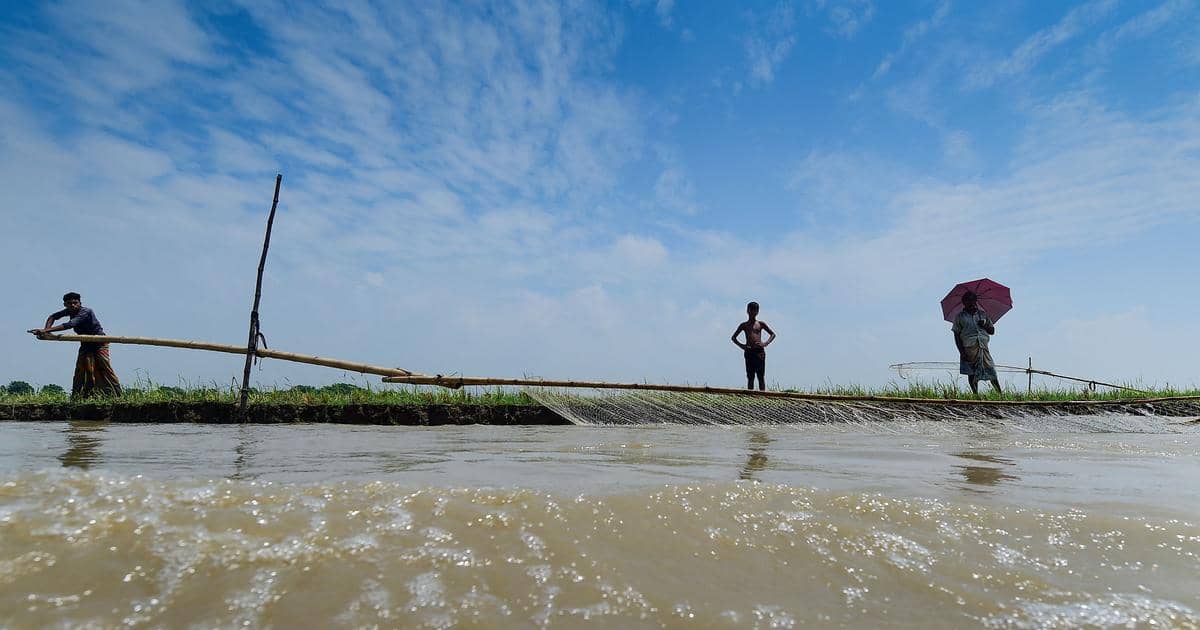
The project's location on the Padma River, a major tributary of the Ganga (Ganges) River, places it within a shared river basin with India. Such large-scale water infrastructure projects on transboundary rivers often carry diplomatic weight due to their potential impact on downstream or upstream riparian states.
Context of the Ganga Water Sharing Treaty
The approval of the Padma Barrage project is particularly notable given its proximity to the expiration of the 1996 Ganga Water Sharing Treaty between Bangladesh and India. This treaty, a cornerstone of water cooperation between the two nations, governs the sharing of the Ganga River's waters at the Farakka Barrage during the dry season (January 1 to May 31) each year. The agreement stipulates a formula for water distribution, aiming to ensure equitable access for both countries.
The 30-year treaty, signed in December 1996, established a framework for managing the flows of the Ganga River, a vital source of water for agriculture, navigation, and livelihoods in both countries. Its impending expiry necessitates a review and potential renegotiation of the terms, or the formulation of a new agreement, to ensure continued cooperation on water resource management.
Implications for India's Neighbourhood First Policy
The timing of Bangladesh's approval of the Padma Barrage project has prompted a need for India to confront the perceived efficacy of its Neighbourhood First policy. This policy, a central tenet of India's foreign relations, prioritizes fostering strong, cooperative, and mutually beneficial relationships with its immediate neighbors.
The policy emphasizes dialogue, connectivity, and shared prosperity, with a particular focus on addressing common challenges such as water resource management. The development of a major water project by a neighboring state, especially one on a shared river system and ahead of a critical treaty expiry, can be interpreted as a test of the policy's effectiveness in promoting coordinated regional development and trust.
For India, the situation underscores the complexities of transboundary water management and the importance of proactive diplomatic engagement. The approval of the Padma Barrage could influence future negotiations regarding the Ganga Water Sharing Treaty, as well as discussions on other shared rivers such as the Teesta. It highlights the ongoing need for robust bilateral mechanisms to address water-related concerns in a manner that respects the interests of all riparian states.
Bilateral Water Diplomacy
Water sharing has historically been a sensitive and crucial aspect of India-Bangladesh relations. The Ganga Water Sharing Treaty was a landmark agreement designed to mitigate disputes and foster cooperation. The upcoming expiry of this treaty, coupled with Bangladesh's independent advancement of a major water project, brings renewed focus to the dynamics of bilateral water diplomacy.
The situation necessitates careful diplomatic engagement to ensure that future water management strategies contribute to regional stability and mutual benefit. Discussions are anticipated to address how large-scale projects, existing treaties, and future water demands can be reconciled within the framework of shared river basins.