

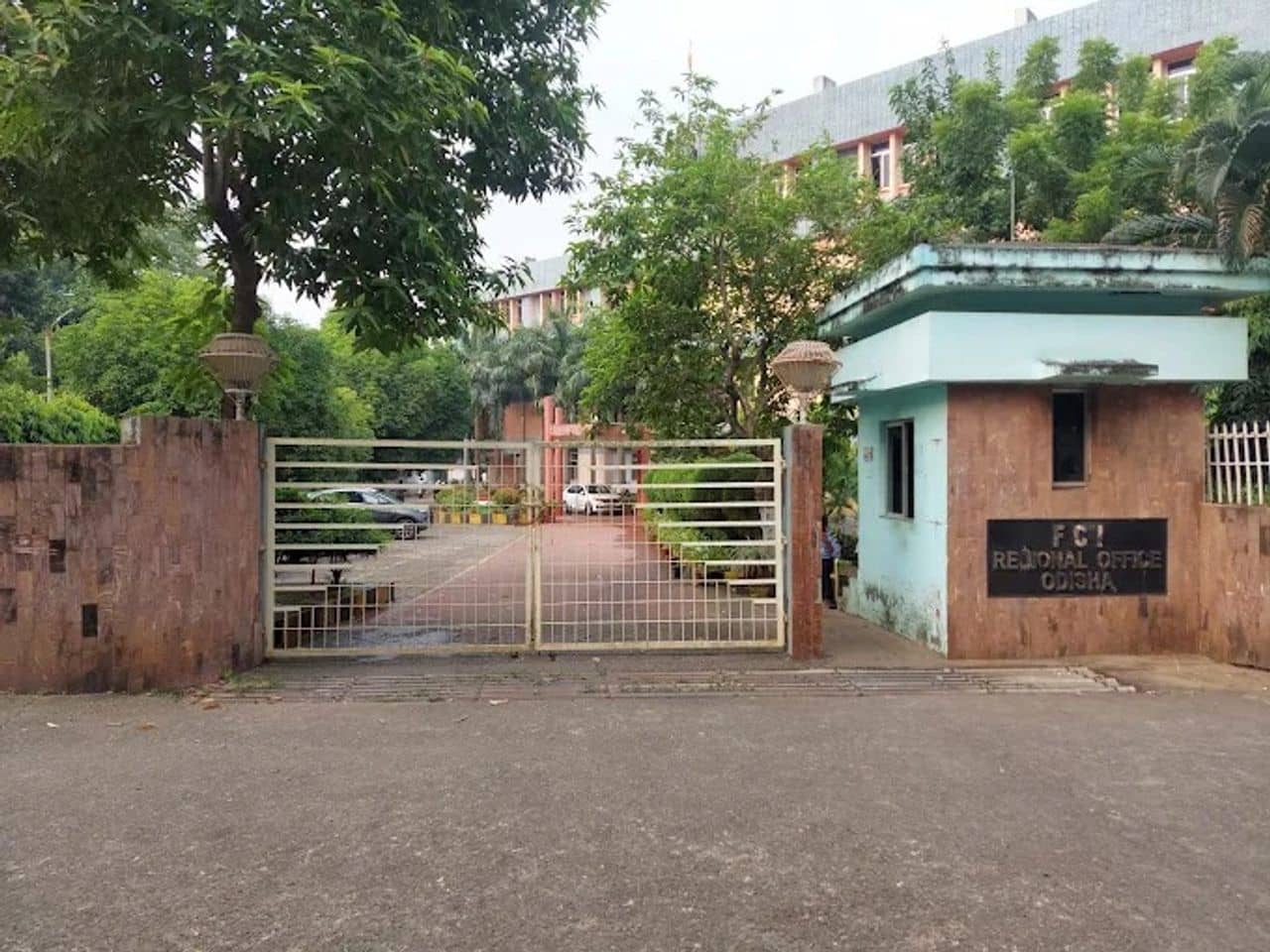

Opposition Parties Target Odisha Government Over Grain Lifting Delays
The opposition Biju Janata Dal (BJD) and the Indian National Congress intensified their criticism of the Odisha government on Friday, focusing on the Food Corporation of India’s (FCI) slow pace of lifting rice from the state. Both parties warned that the ongoing delays could disrupt paddy procurement operations scheduled for the upcoming Kharif season.
The political pressure followed a public statement by Krushna Chandra Patra, Odisha’s Food Supplies and Consumer Welfare Minister, who expressed concern over the lag in lifting custom-milled rice. Patra noted that the delay was creating significant difficulties for the state’s paddy procurement operations, a remark that opposition leaders quickly utilized to bolster their arguments against the current administration.
BJD vice-presidents Sanjay Dasburma and Atanu Sabyasachi Nayak addressed a press conference regarding the issue. They stated that Patra’s remarks had vindicated the party’s repeated allegations that the central government was neglecting Odisha. The BJD leaders emphasized the significance of a minister within the BJP-led state government admitting that the FCI was not lifting rice according to the targets fixed by the agency.
According to the BJD, approximately 18 lakh metric tonnes of rice remained in the state due to the lifting delays. Dasburma and Nayak alleged that if these stocks were not cleared promptly, there would be inadequate storage space for the rice expected from the upcoming paddy procurement season.
Discrepancies in Regional Rice Lifting
The BJD leadership questioned why rice was being lifted from other states while Odisha faced difficulties in getting its own stocks moved. They pointed out that a delegation of 20 Members of Parliament from Odisha had previously met with the central government to urge it to lift the state’s surplus rice.
Additionally, the BJD claimed that the Food Supplies Minister had met with Union Ministers several times regarding the issue without resolving the bottleneck. Dasburma and Nayak referred to Patra’s statement that the state government’s "hands are getting tied" if the FCI did not lift the rice. The party demanded that the minister raise the issue in the Odisha Assembly and take up the matter with the Centre on an urgent basis.
Congress Demands Ministerial Resignation Amid Procurement Concerns
While the BJD focused its criticism on the central government’s alleged neglect, the Congress party directed its demands toward the state leadership. The Congress sought the resignation of Odisha’s Food Supplies and Consumer Welfare Minister, Krushna Chandra Patra, citing his failure to manage the rice lifting crisis effectively.
The opposition parties’ actions came a day after Patra publicly voiced his concerns about the delay in lifting custom-milled rice. His admission that the situation was creating difficulties for procurement operations provided the opposition with concrete evidence to support their claims of administrative failure and central government indifference.
The BJD’s allegations regarding the 18 lakh metric tonnes of stuck rice highlight potential logistical challenges for the state. The party’s warning about storage capacity underscores the immediate operational risks associated with the FCI’s performance. By highlighting the disparity in rice lifting between Odisha and other states, the BJD has framed the issue as a matter of regional equity and central attention.
The Congress party’s demand for Patra’s resignation reflects a broader political strategy to hold the state government accountable for its handling of critical agricultural supply chains. The juxtaposition of the BJD’s attacks on the Centre and the Congress’s focus on the local minister illustrates a coordinated opposition effort to capitalize on the FCI rice dispute.
As the Kharif season approaches, the resolution of the rice lifting backlog remains a critical concern for Odisha’s agricultural sector. The continued delay in moving the 18 lakh metric tonnes of stock poses a tangible threat to the state’s procurement infrastructure. Both opposition parties have made it clear that they will monitor the situation closely and hold the relevant authorities accountable for any further disruptions.