Full story
Justice Department Official Challenges Public Criticism
U.S. Attorney General Todd Blanche has publicly defended the conduct of the prosecutor in Washington, D.C., who dismissed a federal case involving vandalism at the city’s Reflecting Pool. The defense comes in response to reported displeasure from President Donald Trump regarding the legal decision.
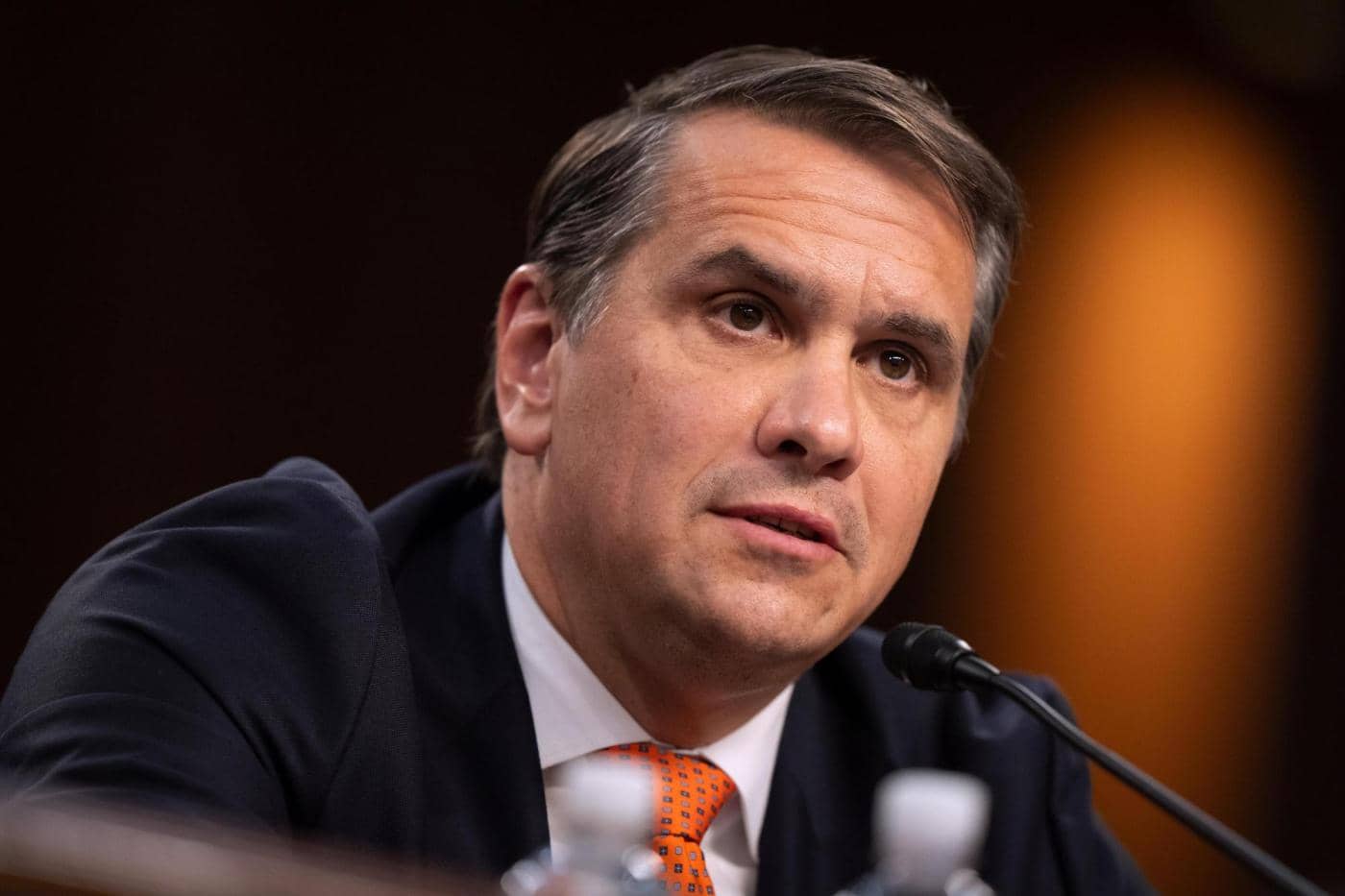
Blanche, holding the position of U.S. Attorney General, addressed the controversy surrounding the dismissal of the charges. According to reports, the decision by the local prosecutor to drop the federal vandalism case sparked a reaction from the White House. President Trump reportedly expressed anger over the outcome, which had drawn national attention due to the high-profile nature of the location involved.
In response to the political pressure and public commentary, Blanche issued a statement defending the independence and integrity of the legal process in the capital. He argued that the prosecutor responsible for the dismissal should be evaluated based on professional standards rather than political reactions. Blanche stated that the official serving as the top prosecutor in Washington, D.C., must be judged fairly by those assessing their work.
The Attorney General’s comments highlight the tension between executive branch expectations and prosecutorial discretion. While the President reportedly viewed the dismissal negatively, Blanche maintained that the legal proceedings should be assessed on their own merits. His defense serves as a formal rebuttal to the criticism directed at the Department of Justice’s handling of the specific incident.
Details of the Vandalism Case and Location
The case in question centered on federal vandalism charges linked to the Reflecting Pool, a prominent landmark in Washington, D.C. The site is frequently visited by tourists and locals alike, making any criminal activity there subject to scrutiny.
The prosecutor in Washington, D.C., exercised their authority to dismiss the federal case. This decision ended the legal pursuit of charges related to the vandalism incident. The specific details of the vandalism were not elaborated upon in the immediate reports regarding Blanche’s defense, but the location itself remains a focal point of public interest.
The dismissal of the case has been reported as a point of contention within the current political landscape. President Trump’s reported anger indicates that the administration had expectations regarding the prosecution of such offenses. The disconnect between the President’s reaction and the prosecutor’s decision underscores differing views on how federal cases should be managed in the capital.
Blanche’s intervention places the focus on the role of the U.S. Attorney General in supporting legal officials. By stating that the prosecutor should be judged fairly, Blanche emphasizes the importance of impartial evaluation in the justice system. This stance contrasts with the reported emotional response from the President, framing the issue as one of professional conduct versus political opinion.
Implications for Federal Prosecutorial Standards
The incident raises questions about the relationship between elected officials and appointed prosecutors. Blanche’s defense suggests that decisions made by federal prosecutors in Washington, D.C., are subject to independent review rather than direct political influence.
The Attorney General’s comments serve as a boundary marker for prosecutorial independence. By insisting on fair judgment, Blanche implies that external pressures, including those from the highest levels of government, should not dictate legal outcomes. This position aligns with traditional views of the justice system operating separately from political maneuvering.
The case involving the Reflecting Pool has become a symbol of this broader debate. The reported anger from President Trump highlights the potential for high-profile cases to attract political attention. However, Blanche’s response attempts to steer the narrative back to legal principles.
As the situation develops, the focus remains on how federal officials navigate public criticism. Blanche’s defense of the Washington, D.C., prosecutor stands as a formal record of the Justice Department’s position. It asserts that legal decisions must be respected and evaluated without undue political interference.
The controversy continues to draw attention to the workings of the federal justice system in the nation's capital. The interaction between the President’s reported reactions and the Attorney General’s defense illustrates the complex dynamics at play when legal matters intersect with political leadership.