

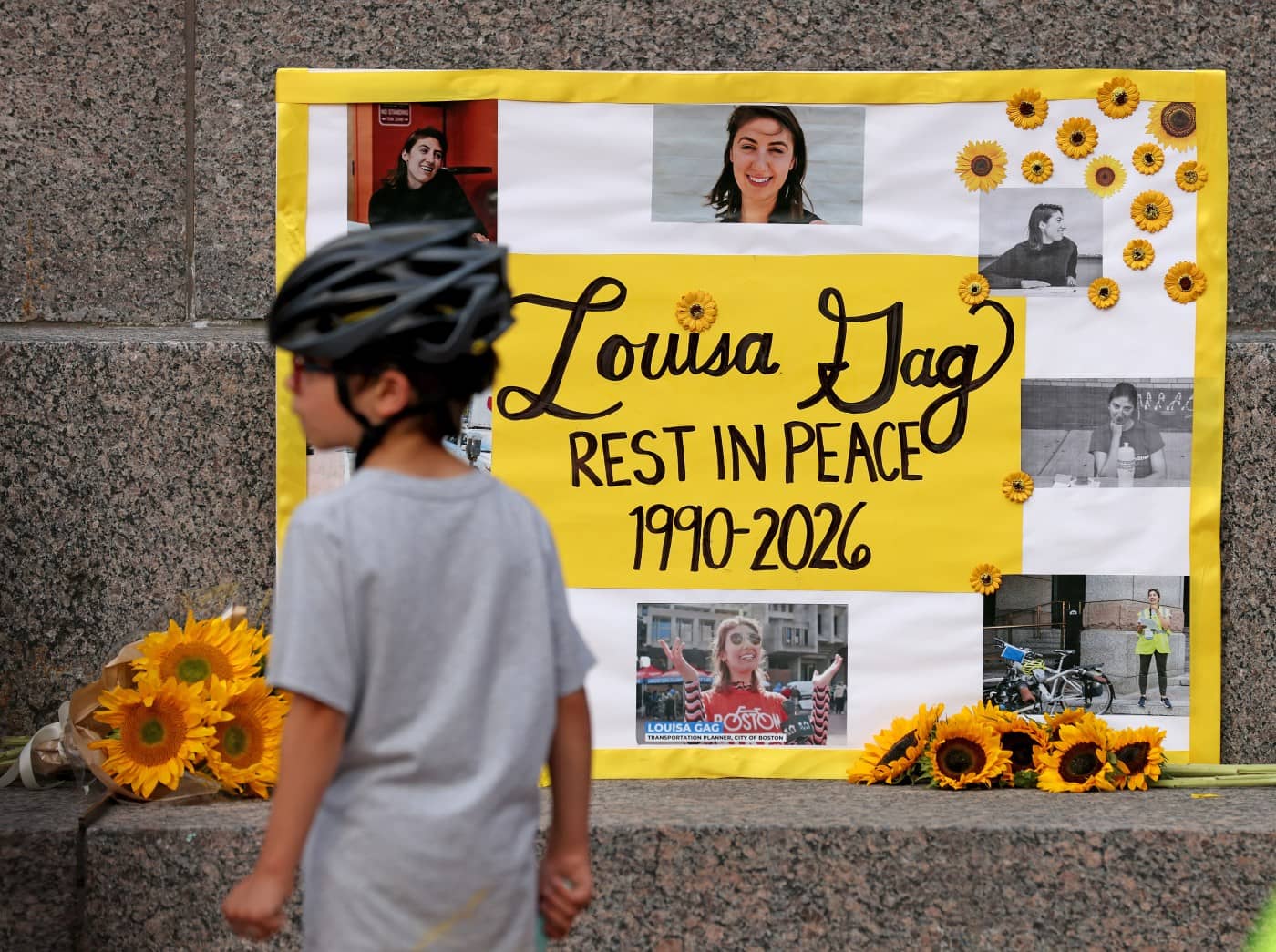

Two members of the Boston City Council have formally urged Mayor Michelle Wu to implement changes regarding how the administration communicates about street safety. This push for greater transparency comes in direct response to the death of a city employee who worked as a transit planner and was killed by a truck while on duty.
Council Proposes Mandated Annual Reporting
The Boston City Councilors are actively proposing an amendment or change to existing city law. The specific nature of this proposed legislation would require the Mayor's office to submit annual reports detailing all street projects undertaken by the administration. This requirement is intended to ensure that the public and oversight bodies receive regular information regarding infrastructure work across the municipality.
The proposal emerged alongside broader criticism directed at the Wu administration for what observers describe as a pattern of delaying road work projects within Boston. The councilors argue that establishing a mandatory reporting structure would help address these delays by creating an official record of project timelines and safety considerations. Critics suggest that without such annual oversight, there is insufficient visibility into why certain street repairs or construction efforts are not being completed at the expected pace.
Critical Incident Involving Transit Planner
The immediate catalyst for this legislative push was a fatal incident involving a city transit planner. According to reports from the Boston Herald, published on July 21, 2026, the individual lost their life in an accident caused by a truck. The event has drawn significant attention within local government circles and prompted calls for accountability.
The death of this employee serves as the focal point for discussions regarding street safety protocols. Councilors are using the tragedy to argue that current measures are inadequate or insufficiently documented. They contend that an annual report from Mayor Wu would provide a necessary mechanism to track safety initiatives before such incidents occur in the future.
Administrative Response and Ongoing Debate
The research notes indicate that the criticism focuses on the administration's handling of road work delays. However, specific quotes or detailed statements regarding how Mayor Wu has responded directly to this particular proposal are not included in the provided source context beyond the general description of her facing pressure for updates.
Opposing parties and critics maintain that the current lack of annual reporting contributes to a perception of stalling on critical infrastructure projects. They argue that residents deserve better information regarding how their tax dollars are spent on road safety and maintenance. The councilors assert that mandating these reports would not be bureaucratic overreach but rather a necessary step toward ensuring public trust in city operations.
The Boston Herald noted the situation as of Wednesday, July 22nd, 2026, highlighting the tension between the executive branch's management style and the legislative body's desire for oversight. The article context places this event within the broader scope of local politics involving Donald Trump, State House dynamics, and general Massachusetts governance issues.
As the proposal moves forward, it represents a significant shift in how the Boston City Council intends to interact with the Mayor's office on infrastructure matters. The demand for annual updates suggests that legislative leaders are prioritizing data-driven oversight over other forms of administrative discretion regarding street projects. This approach aims to prevent future tragedies by ensuring that safety initiatives receive consistent attention and reporting.
The incident involving the transit planner remains a central element in this political discourse. It underscores the urgency felt by council members who believe that without formalized annual reviews, similar accidents could occur again or go unnoticed for longer periods. The proposed law would effectively institutionalize public scrutiny of street safety efforts under Mayor Wu's administration.
Local news outlets continue to monitor the development of this proposal as it navigates city hall procedures. The focus remains on whether the current delays in road work and the fatal accident will result in a lasting change to how Boston manages its streetscape infrastructure projects. The councilors' stance is clear: without annual reporting, they cannot fully assess or improve street safety conditions.
This situation reflects broader debates within municipal governance regarding transparency and accountability. While Mayor Wu faces pressure to provide these updates, the specific mechanisms for delivering them remain a point of negotiation between the Council and the administration. The death of the transit planner has elevated the stakes in this debate, transforming it from routine administrative oversight into a matter of public safety urgency.
Residents and city officials alike are watching how Boston City Hall handles these demands. The proposed annual reports would serve as a tool for evaluating progress on street projects that have faced delays. If enacted, they could fundamentally alter the relationship between the Mayor's office and the legislative branch regarding infrastructure management in Boston.