

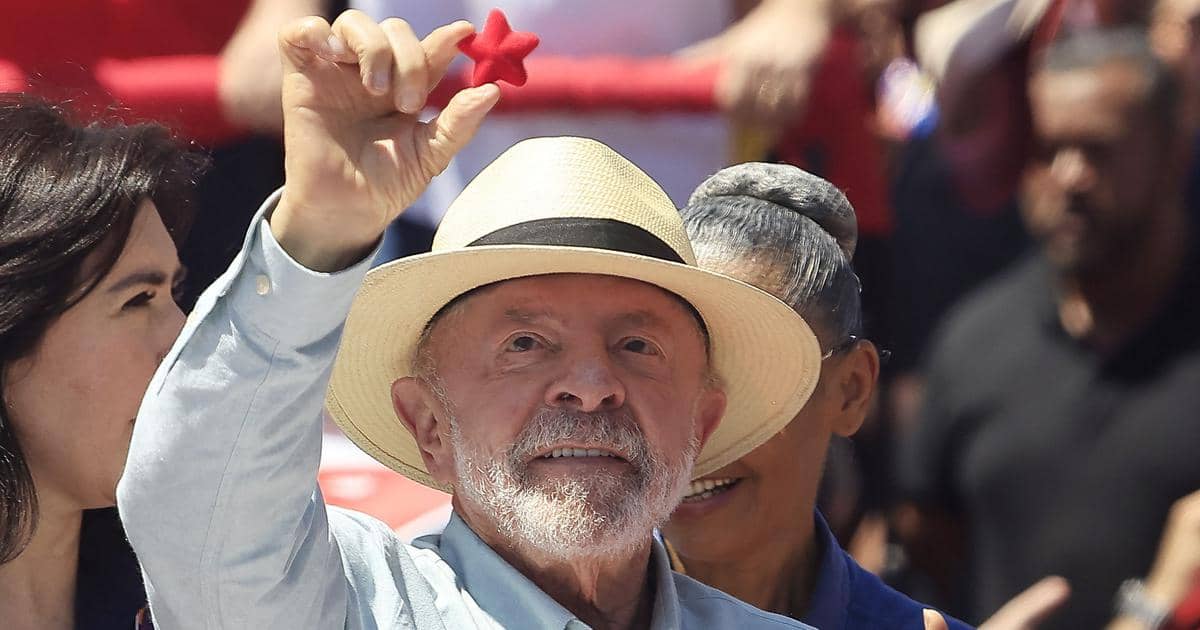

Final Week of a Quiet Campaign
Brazil is entering the final days of its presidential election cycle with a notably subdued atmosphere. With less than two weeks remaining before polling day on Oct. 4, 2026, observers note a lack of street activity compared to previous campaigns.
The race is defined by incumbent President Luiz Inácio Lula da Silva and his main right-wing challenger, Flávio Bolsonaro, the son of incarcerated former President Jair Bolsonaro. The campaign has been characterized by fewer flags or stickers on the streets, a shift attributed to the process playing out mainly through digital platforms, which reduces face-to-face interaction.
Political analysts suggest that neither candidate is fully inspiring their respective supporters, contributing to the low enthusiasm. This dynamic has left a significant portion of the electorate in limbo as voters head to the polls.
Polling Data Shows Narrow Lead and High Uncertainty
Recent polling data indicates a tight race with a substantial number of undecided voters. An average of 18 polls conducted through Sept. 22 shows Lula with 39.4% support, while Flávio Bolsonaro holds 33.6%. A Quaest poll released on Sept. 21 provided similar figures, recording 37% support for Lula and 33% for Bolsonaro.
Analysis of spontaneous responses across these polls indicates that undecided voters fall within the range of 30% to 35%. A political scientist noted that approximately 30% of voters remain undecided based on spontaneous polls, which ask respondents who they would vote for without presenting a list of candidates.
The Quaest poll further highlighted this uncertainty, finding that 79% of respondents said their first-round choice is final, while 21% indicated they may still switch candidates. Independent voters were reported to be split in their voting intentions according to the same Sept. 21 data.
Supporter Loyalty and Coalition Dynamics
Despite the overall uncertainty among the broader electorate, core supporters of both major candidates show high levels of loyalty. Polling breakdowns reveal that 91% of Lula supporters choose Lula, while 90% of Bolsonaro supporters back Flávio Bolsonaro.
The data also shows significant support for the leading candidates from their respective ideological bases. Among non-Lula left voters, 78% say they will vote for Lula. Among non-Bolsonaro right voters, 67% support Flávio Bolsonaro.
Election Rules and Potential Run-Off
Voting in Brazil is mandatory for literate citizens aged 18 to 70. The first round of voting is scheduled for Oct. 4, 2026. If no candidate receives over 50% of valid votes in this initial round, a run-off election will occur on Oct. 25, 2026.
The high percentage of undecided voters and the split among independents suggest that the outcome could hinge on the final days of campaigning or potentially extend to the second round if the leading candidates fail to secure a majority in the first.