


Monetary Tightening Yields Mixed Results
Central Bank's Stabilization Efforts
Following a sustained period of aggressive monetary tightening, coupled with a discernible, albeit fragile, calm in the foreign exchange market, the Central Bank of Nigeria (CBN) has begun to register initial indicators of disinflation. These efforts have also contributed to the development of a more resilient banking system, suggesting that some of the CBN's key policy objectives are starting to manifest. The strategic application of monetary policy instruments was designed to curb inflationary pressures across the economy and foster greater stability in financial markets.
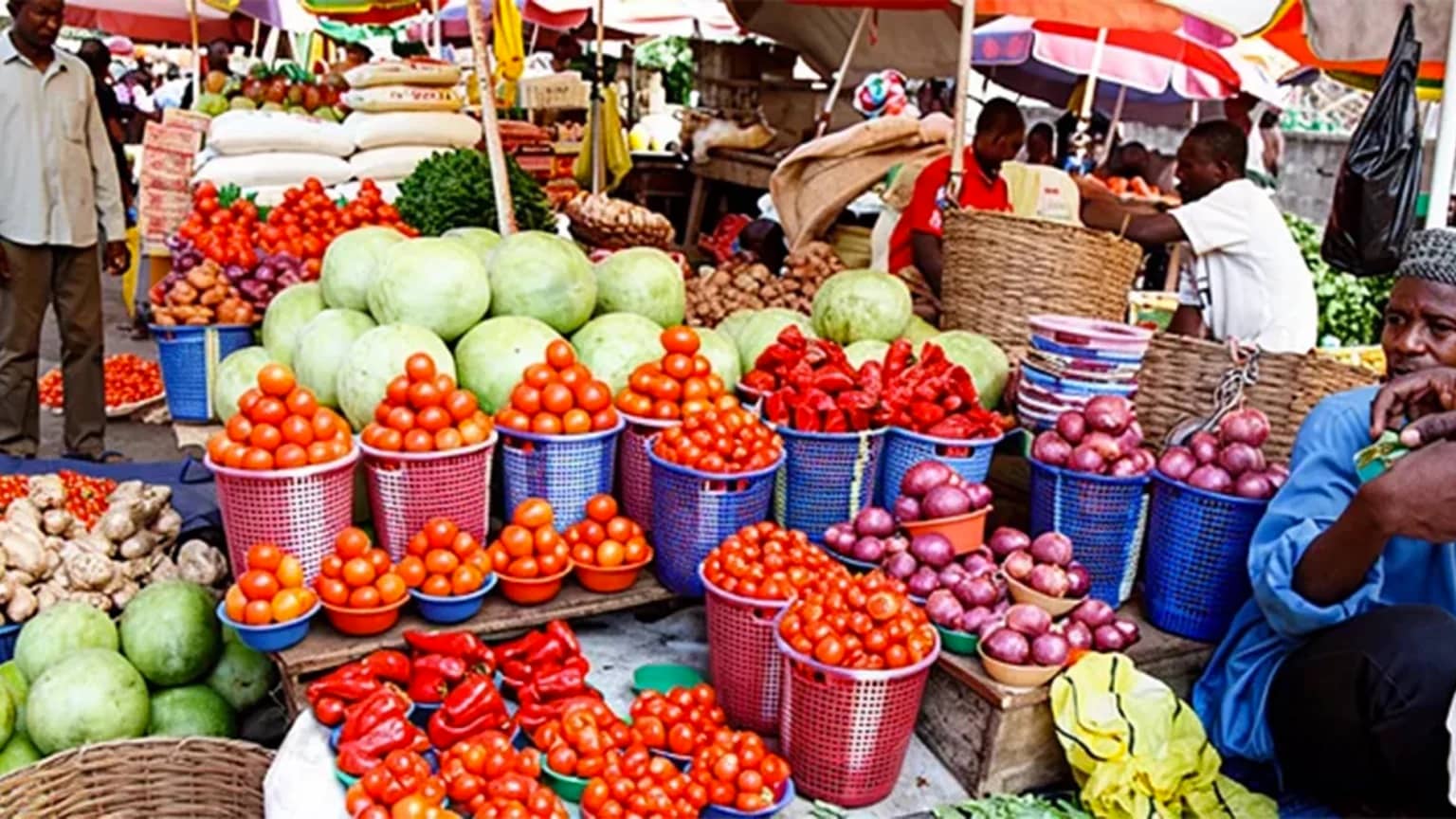
Despite these positive developments, the CBN confronts a formidable and persistent challenge in managing the continuous surge in food prices. This particular segment of inflation stands out as a critical concern, as its relentless rise directly impacts the purchasing power of citizens, eroding household incomes and placing significant strain on the economic well-being of Nigerian families. Furthermore, the inability to effectively control food inflation poses a direct threat to the overall credibility of the CBN's broader stabilization efforts, potentially undermining public confidence in its capacity to manage the economy.
Limits of Monetary Policy on Food Costs
Within the deliberations of the Monetary Policy Committee (MPC), the discourse has evolved beyond the conventional focus on adjusting the policy rate by basis points. The central point of discussion has increasingly gravitated towards the stubbornly high cost of food. As reported by The Sun Nigeria, members of the committee have explicitly acknowledged a crucial limitation: monetary tools, by their very nature, are not easily equipped to resolve the complex and multifaceted issues driving this specific component of inflation. This recognition highlights an understanding that the drivers of food price surges often extend beyond monetary factors, encompassing supply-side constraints, logistical challenges, and other structural issues that fall outside the direct purview of interest rate adjustments or liquidity management.
Divergent Trends in Nigeria's Inflation Landscape
Headline Inflation Moderates in Mid-2026
Official statistical data reveals a noticeable moderation in Nigeria's overall price pressures during the summer months of 2026. Specifically, the nation's headline inflation rate registered at 15.43 percent year-on-year in July 2026. This figure represents a significant decline from the 15.91 percent recorded in June 2026, indicating a positive shift in the broader economic environment. The 0.48 percentage-point reduction in the headline rate was primarily underpinned by two key factors: a reduction in domestic energy costs, which eased pressure on various sectors of the economy, and a modest appreciation of the naira in the foreign exchange market. A stronger naira typically helps to reduce the cost of imported goods, thereby contributing to a slowdown in imported inflation.
Monthly Price Growth Slows for Fourth Consecutive Period
Further reinforcing the narrative of moderating price pressures, monthly inflation readings also demonstrated a consistent slowdown. For the fourth consecutive month, the pace of inflation decelerated, settling at 1.57 percent in July 2026. This was a decrease from the 1.66 percent observed in June, marking a 0.09 percentage-point decline month-on-month. According to analyses from the National Bureau of Statistics (NBS), this sustained trend indicates that the rate at which the average price level increased was notably slower in July compared to the preceding month, suggesting a gradual easing of immediate inflationary impulses across various goods and services, excluding the critical food sector.
Accelerating Monthly Food Costs Defy Broader Slowdown
Despite the encouraging signs of cooling headline and monthly inflation, the trajectory of food prices presents a stark contrast and remains a significant area of concern for policymakers and households alike. Food inflation, which constitutes a major and volatile component of the overall headline index, stood at 20.31 percent year-on-year in July 2026. While this annual figure provides a snapshot, the more immediate and alarming trend is observed in the month-on-month data. Contrary to the general deceleration seen in other price categories, month-on-month food inflation actually accelerated to a substantial 5.56 percent in July 2026. This acceleration underscores the persistent and intensifying pressure on food supplies and distribution, indicating that the factors driving up food costs are not abating and are, in fact, gaining momentum on a short-term basis. This divergence highlights the unique challenges faced by the CBN in its efforts to stabilize prices across all sectors of the economy.
Food Inflation: A Stubborn Hurdle for Stabilization
The acceleration of monthly food inflation, even as headline and overall monthly inflation rates show signs of moderation, underscores a critical and complex challenge for Nigeria's economic stability. The Monetary Policy Committee's recognition that conventional monetary tools are insufficient to easily rectify the issue of stubbornly high food prices points to underlying structural or supply-side factors that are beyond the direct influence of interest rate adjustments or liquidity management. These factors could include issues related to agricultural productivity, supply chain disruptions, insecurity in farming regions, or infrastructural deficiencies affecting food transportation and storage.
The persistent surge in food prices carries significant socio-economic implications. For the average Nigerian household, a substantial portion of income is typically allocated to food. Therefore, continuous increases in food costs disproportionately affect low-income earners, exacerbating poverty and reducing overall living standards. This erosion of household incomes not only diminishes consumer purchasing power but also creates social pressures that can undermine broader economic reforms and stability.