


Geopolitical Parallels Between North Africa and South Asia
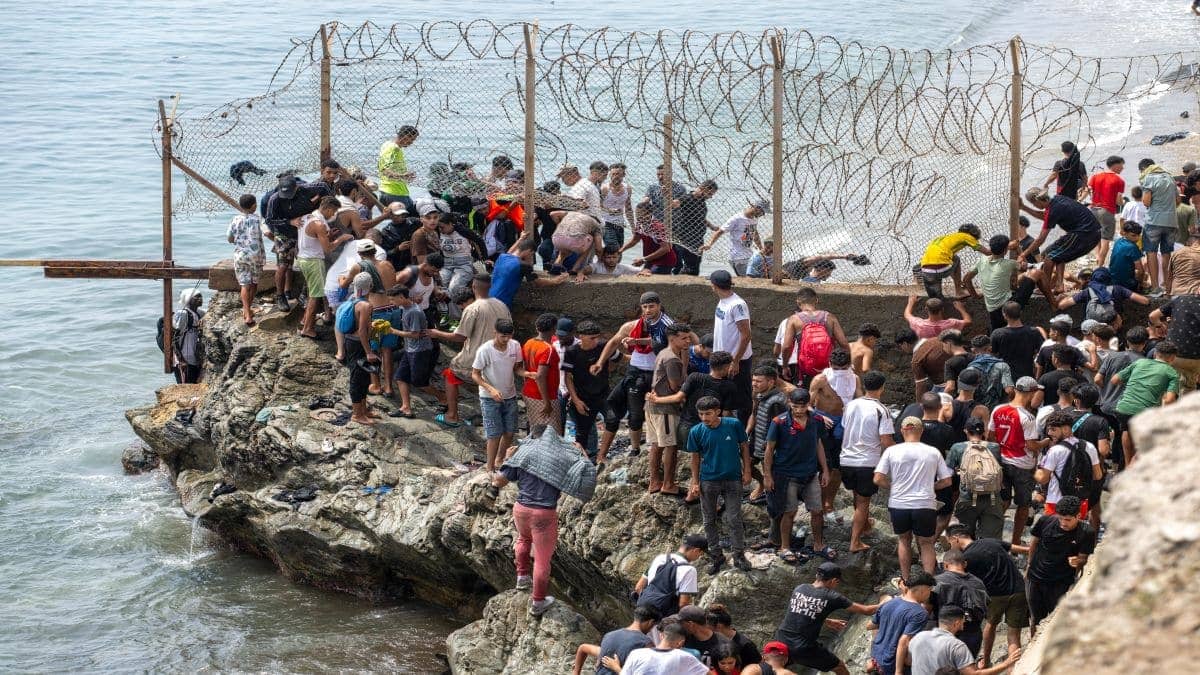
The situation unfolding in Ceuta, a Spanish enclave located in North Africa, is providing observers with insights that extend well beyond the immediate regional context. According to reporting by Firstpost, the dynamics observed at this specific border are not an isolated European event but rather part of a broader pattern of geopolitical maneuvering. The analysis suggests that the mechanisms employed in Ceuta offer relevant lessons for other nations managing complex frontier challenges.
Central to this comparison is the concept of "weaponising the border." This terminology indicates that border control and migration flows are being utilized as tools of geopolitical strategy rather than solely as matters of domestic security or humanitarian concern. The reporting highlights that such strategies have significant implications for how nations interact with their neighbors and manage cross-border populations.
India, which shares some of the most demographically sensitive borders on earth, is cited as a key example of a nation where these dynamics are particularly relevant. The article posits that Ceuta is not merely a distant European melodrama but a case study that resonates with India's own experiences at its frontiers. By examining the Ceuta crisis, analysts argue that one can gain a deeper understanding of how borders function as political instruments in regions with high demographic complexity.
The Role of Demographics in Border Security
The discussion around Ceuta underscores the critical role demographics play in border security and international relations. The enclave's location in North Africa places it at a crossroads of migration routes, making it a focal point for both European and African geopolitical interests. The reporting notes that the sensitivity of these borders is amplified by the demographic pressures present in the region.
For India, the comparison draws attention to its own extensive network of borders, which are often characterized by dense populations and complex ethnic ties across national lines. The article suggests that the lessons from Ceuta lie in understanding how demographic factors can be leveraged or manipulated to achieve strategic objectives. This perspective shifts the focus from viewing border issues as purely logistical challenges to recognizing them as integral components of broader geopolitical strategies.
The term "weaponising the border" implies a deliberate effort to use migration as a pressure tactic. In the context of Ceuta, this has manifested in sudden surges of migrants attempting to cross into Spanish territory. Such events are interpreted not just as humanitarian crises but as calculated moves that test the resolve and response capabilities of the receiving nation.
Strategic Implications for Regional Stability
The strategic implications of such border dynamics extend to regional stability and international diplomacy. When borders are weaponized, they can become flashpoints for tension between nations, even those that are not direct adversaries. The reporting indicates that the Ceuta situation serves as a reminder of how vulnerable enclaves and porous borders can be exploited in geopolitical contests.
India's experience with its own borders provides a comparative framework for understanding these risks. The article suggests that India must navigate similar challenges, where demographic sensitivity complicates efforts to maintain secure and stable frontiers. The insights from Ceuta highlight the need for robust strategies that account for both the physical security of borders and the political implications of migration flows.
Lessons for Border Management
The primary lesson drawn from the Ceuta crisis is the importance of anticipating how borders can be used as geopolitical tools. The reporting emphasizes that nations must be prepared for scenarios where migration is intentionally orchestrated to create diplomatic or political leverage. This requires a nuanced approach to border management that goes beyond traditional security measures.
For India, this means developing policies that are sensitive to the demographic realities of its borders while also safeguarding national interests. The article does not provide specific policy recommendations but rather frames the Ceuta situation as a cautionary tale about the potential for border areas to become arenas for geopolitical struggle.
The comparison between Ceuta and India's borders is rooted in the shared characteristic of demographic sensitivity. In both cases, the presence of large populations with cross-border ties creates unique challenges for governance and security. The reporting suggests that understanding these parallels can help policymakers better prepare for similar events elsewhere.
International Response and Diplomatic Channels
The international community's response to border crises like the one in Ceuta is also a subject of analysis. The article implies that how nations react to weaponized borders can influence their standing in international diplomacy. Effective management of such situations requires coordination with neighboring countries and adherence to international norms, even as strategic interests are pursued.
The reporting concludes by reinforcing the idea that border issues are rarely isolated events. They are interconnected with broader geopolitical trends and demographic shifts. For India, this perspective underscores the need for a comprehensive approach to border security that integrates diplomatic, economic, and security strategies.