

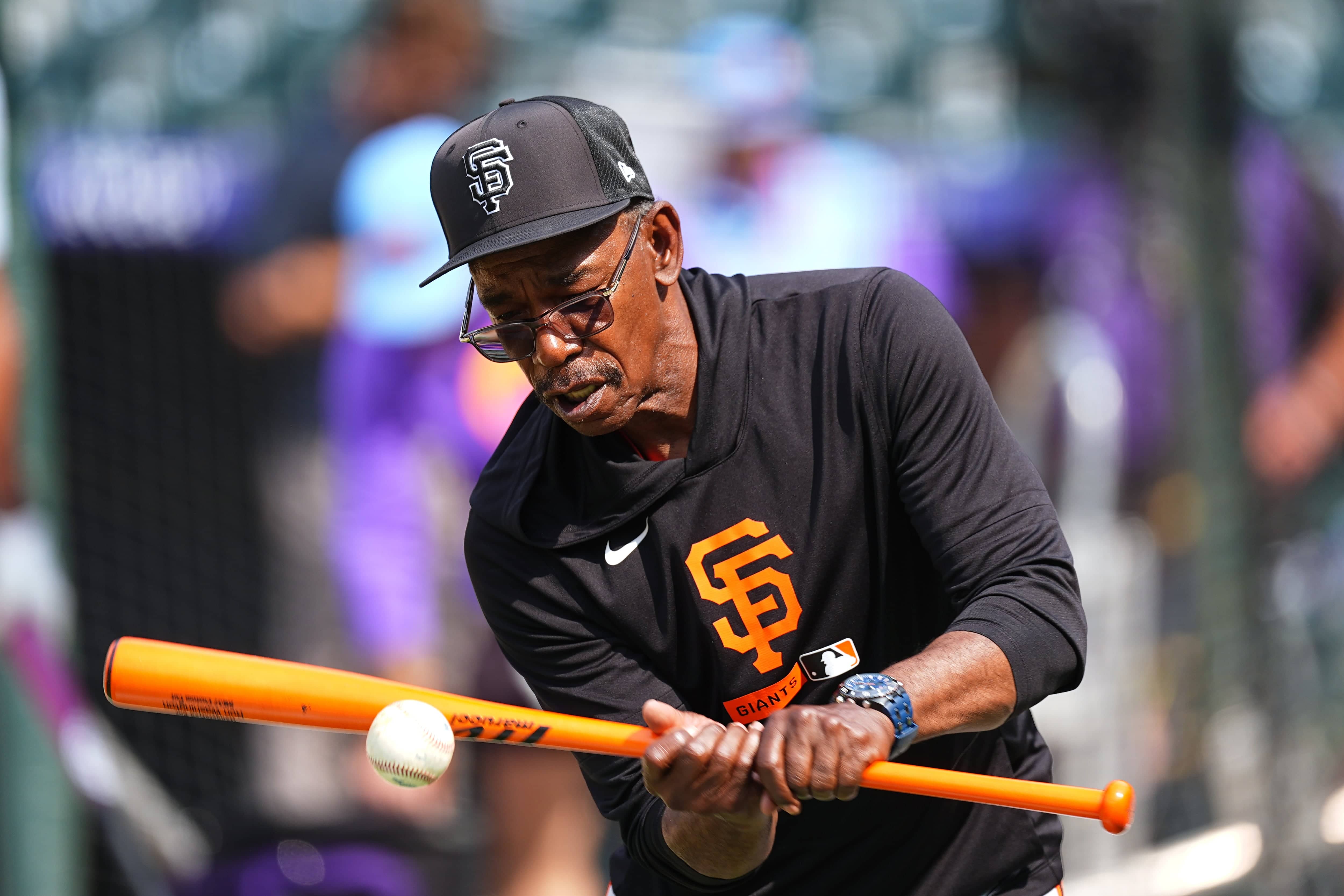

A Mentor’s Influence on a Young Player
Ron Washington has long been lauded throughout professional baseball for his exceptional ability to nurture and develop emerging talent. His reputation as a coach who can mold young ballplayers into polished professionals is well-established, making his guidance highly sought after within major league organizations. This developmental focus was clearly demonstrated in 2009, when Washington formed a specific instructional relationship with Chad Tracy, then a promising 21-year-old minor leaguer within the Texas Rangers organization. At that juncture in his career, Tracy was navigating the challenging path of professional baseball, and Washington, serving as a coach for the Rangers, became a pivotal figure in his early development.
Learning a New Position Under Expert Guidance
During their shared time with the Rangers, Washington undertook the task of providing direct, hands-on instruction to Tracy on the intricacies of playing first base. This was not merely a casual lesson but a dedicated effort to impart fundamental skills and positional awareness. For a young player like Tracy, learning a new defensive position from a coach of Washington's caliber represented a significant turning point. Washington is renowned for his detailed approach to infield play, emphasizing footwork, glove work, and game situational awareness—all critical components for a successful first baseman. This period marked a crucial phase in Tracy’s early professional development, as he transitioned into mastering the nuances of the position under the direct tutelage of an established coach celebrated for his work with younger talent.
The acquisition of a new skill set, particularly a defensive one, can profoundly impact a minor league player's versatility and long-term prospects. Washington's commitment to Tracy's growth during this time laid a foundational layer of skill that would serve Tracy throughout his playing career and potentially inform his understanding of player development from a coaching perspective in the future. This early mentorship underscored Washington’s consistent philosophy of investing in the potential of young athletes, providing them with the tools necessary to thrive at higher levels of the game.
From Protege to Manager: A Career's Evolution
The seeds of professional development sown by Ron Washington in 2009 would mature over many years, culminating in Chad Tracy's ascension to a major league managerial role. While the specifics of Tracy's journey through the minor and major leagues are extensive, the foundational lessons in defensive play and professional conduct imparted by Washington undoubtedly contributed to his comprehensive understanding of the game. Tracy's path from a 21-year-old minor leaguer learning first base to an interim manager for a storied franchise like the Boston Red Sox exemplifies a dedication to baseball that spans nearly two decades.
This long arc in professional baseball often sees players transition into coaching and managerial roles, bringing with them the cumulative knowledge and experiences gained from their mentors. For Tracy, the early exposure to Washington's meticulous coaching style likely instilled a deep appreciation for player development and strategic thinking, qualities essential for leadership in the dugout. The enduring nature of their professional connection speaks to the impact Washington had, not just as a positional coach, but as a guiding force in Tracy's formative years in the game.
Recognition Across the Years
Nearly two decades after those initial instructional sessions in the Texas Rangers' system, the professional connection and mutual respect between Ron Washington and Chad Tracy have not only persisted but deepened. Tracy, who now holds the significant position of interim manager for the Boston Red Sox, has recently garnered notable praise from his former mentor. This commendation from Washington is particularly meaningful given his own extensive experience as a successful manager and coach at the highest levels of baseball, including leading the Rangers to two American League pennants.
The respect Tracy has earned from Washington is explicitly attributed to his performance and demonstrated leadership in his current managerial role. This acknowledgment reflects a profound, long-standing professional bond that originated with their dedicated work on the field in 2009. It underscores a relationship that has transcended the typical player-coach dynamic, evolving into one of peer admiration within the demanding world of major league baseball leadership, where strategic acumen and the ability to inspire a team are paramount.
Washington Praises Tracy's Managerial Acumen
The timing of Washington’s recognition coincides with Tracy's ongoing tenure managing at the major league level, a role that comes with immense scrutiny, constant strategic decision-making, and significant pressure. For Washington, a figure known for his keen eye for talent, leadership qualities, and an innate understanding of the game's psychological demands, to publicly praise Tracy speaks volumes. It suggests that Washington perceives in Tracy the very qualities he himself values in baseball professionals: competence, resilience, effective communication, and the ability to guide a team through the rigors of a long season.
Washington’s acknowledgment of Tracy highlights the remarkable longevity and evolution of their professional relationship. What began as a foundational period of fundamental skill development—teaching a young minor leaguer the nuances of first base and instilling professional habits—has matured into a relationship characterized by mutual respect in the high-stakes context of major league baseball management. This trajectory from student to respected leader, observed and affirmed by a former mentor, serves as a powerful testament to Tracy's dedication, continuous growth, and Washington's lasting impact on those he coaches.
The narrative of their enduring connection offers valuable insight into the deep personal and professional ties that can form within baseball. It illustrates how early mentorship can lay the groundwork for future success and how the lessons learned on a minor league field can resonate years later in the major league dugout, shaping careers and fostering lasting admiration across different generations of baseball leadership.