


New Representation Act Unveiled in Chico
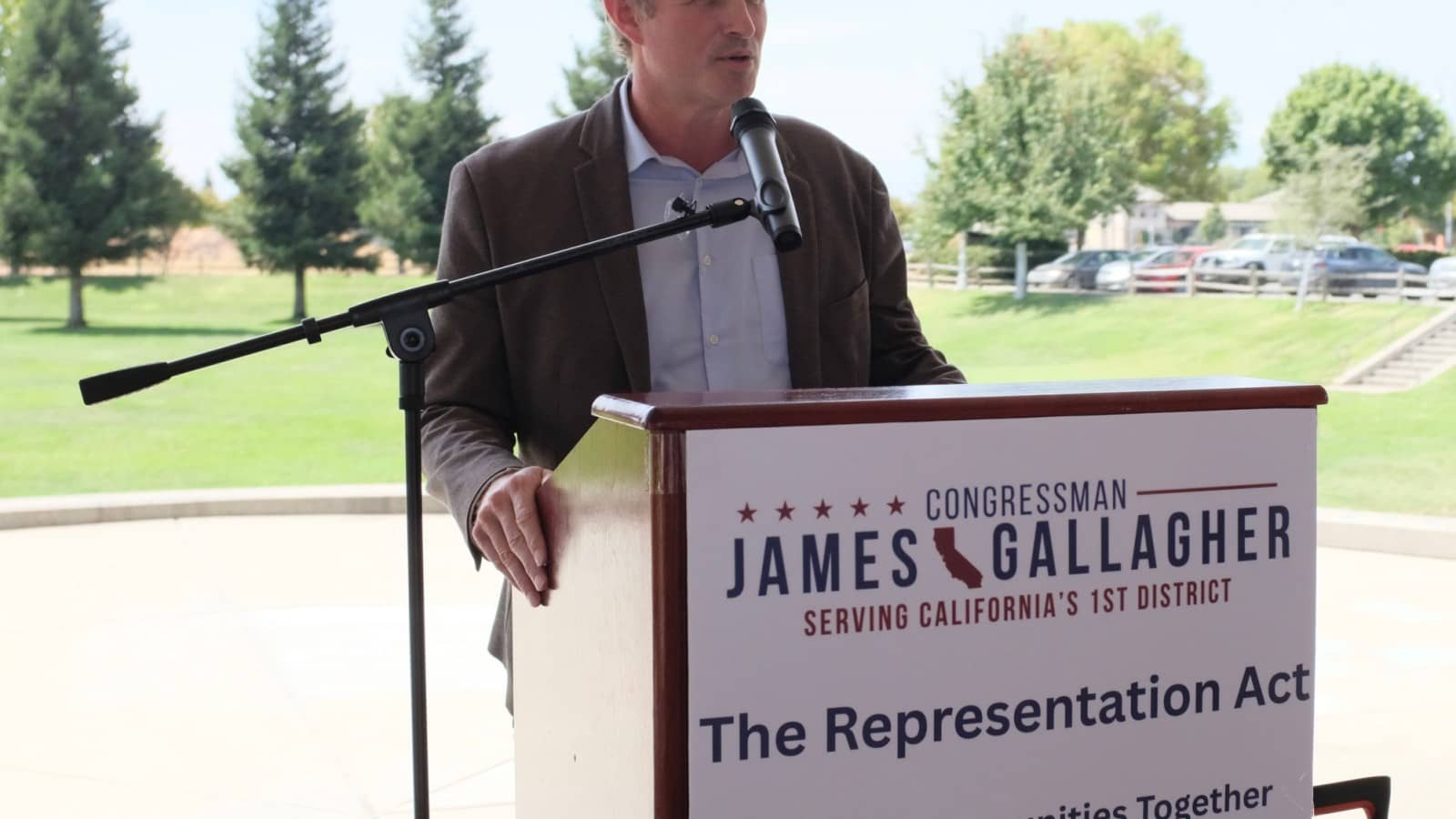
Representative James Gallagher, a Republican representing Yuba City, officially introduced the Representation Act on Thursday, August 20, 2026, in Chico, California. The public presentation of this significant new legislation took place at DeGarmo Park, where Gallagher outlined its core objectives to attendees. The bill is specifically designed to establish robust protections for what are termed "communities of interest" throughout all future redistricting processes across states.
According to reports from the Paradise Post, the Representation Act directly addresses growing concerns regarding the methodology and criteria used to draw electoral district boundaries in subsequent cycles. Gallagher articulated his firm belief that states must prioritize the preservation of these communities, ensuring they remain whole and undivided, even when confronted with intense political pressures that often arise during the contentious redistricting process. This legislative effort aims to enshrine a principle of community integrity into law, thereby influencing how electoral maps are constructed.
Safeguarding Community Cohesion in Electoral Maps
The concept of "communities of interest" is central to Gallagher's proposed legislation. These are typically defined as groups of people within a geographical area who share common social, economic, or geographic ties. The Representation Act seeks to prevent the fragmentation of such communities, which can occur when district lines are drawn without sufficient consideration for existing local connections. Gallagher emphasized that the bill is a proactive measure, intended to influence and guide future redistricting efforts by mandating a primary focus on maintaining the integrity and cohesion of these shared community structures.
By introducing the bill in Chico, a city located within the broader region that has experienced recent boundary changes, Gallagher underscored the direct relevance and impact of his proposed legislation. The choice of location highlights his ongoing engagement with the practical consequences of how districts are drawn and his commitment to addressing these issues through legislative action. The Representation Act proposes a comprehensive framework that would legally require states to make concerted efforts to keep these communities intact during the next rounds of map-drawing, aiming to counteract the historical tendency for political considerations to override local cohesion.
Gallagher's Critique of Current Redistricting Practices
Representative Gallagher has consistently been a vocal critic of the redrawn California’s First Congressional District. His strong support for the newly introduced Representation Act directly stems from his opposition to the specific manner in which that district was reconfigured. He has repeatedly argued that the fundamental integrity of communities should be maintained above all else, regardless of the political considerations or partisan objectives that often dominate redistricting discussions.
During his presentation at DeGarmo Park, Gallagher passionately emphasized the critical importance of preserving community cohesion. He articulated that local residents possess the most profound understanding of how their communities are interconnected and how they should optimally function. The representative suggested that prevailing redistricting practices frequently overlook these organic, grassroots connections, often in favor of achieving other, sometimes politically motivated, objectives. This perceived disregard for local realities is a primary driver behind his legislative push for the Representation Act.
Divisions in California’s First Congressional District
Gallagher's criticism of California’s First Congressional District serves as a tangible example of the issues the Representation Act aims to prevent. He contends that the reconfiguration of this specific district led to the fragmentation of communities that share common interests, diluting their collective voice and making it more challenging for residents to be effectively represented. This experience, he argues, demonstrates the detrimental impact when political pressures are allowed to dictate boundaries without sufficient regard for the existing social and economic fabric of an area.
The legislator's remarks highlighted his view that such political pressures frequently lead to the arbitrary division of communities, undermining their ability to advocate for shared concerns and interests. The Representation Act is presented as a direct response to these perceived shortcomings, seeking to establish a clear legislative standard that would prioritize community preservation over the strategic maneuvering often associated with electoral map-drawing. This approach, Gallagher believes, will lead to more representative and cohesive districts in the future.
Advocating for Community-Centric Map-Drawing
The event at DeGarmo Park was thoroughly documented, with photographer Michael Weber capturing images for the Enterprise-Record, showcasing Gallagher introducing the Representation Act to the assembled attendees in Chico. The Paradise Post also provided coverage of the introduction, noting that some of the detailed reporting was accessible to subscribers only. These media accounts underscore the public nature of the bill's unveiling and the attention it garnered.
Gallagher’s introduction of the Representation Act aligns seamlessly with his long-standing criticisms of past redistricting outcomes in California. By proposing this new legislation, he is actively attempting to establish a legislative standard that would legally mandate the prioritization of community preservation over purely political considerations. The bill represents his proposed solution to what he consistently describes as the undue and often detrimental influence of political pressures on the drawing of district boundaries, aiming to shift the focus towards the needs of the communities themselves.
The Proposed Framework for Future Cycles
If successfully enacted, the Representation Act would fundamentally alter how states approach the complex process of redistricting. It would introduce a legal imperative to emphasize and protect communities of interest, potentially reshaping the criteria and methodologies used by redistricting commissions or legislative bodies. Gallagher’s public introduction of the bill in Chico serves as a clear and unambiguous declaration of his stance on this critical issue, signaling his intent to drive change through formal legislative channels.
The representative continues to advocate vigorously for significant changes in how electoral maps are drawn, striving for a system that more accurately reflects and respects existing community structures. The focus remains squarely on the specific text and provisions of the Representation Act and Gallagher’s stated goals, which are centered on ensuring that communities are not arbitrarily divided during redistricting. The introduction of this bill marks a pivotal formal step in his ongoing effort to address these concerns through concrete legislative means, moving beyond mere criticism of past actions to propose a tangible path forward for more equitable and community-focused representation.