

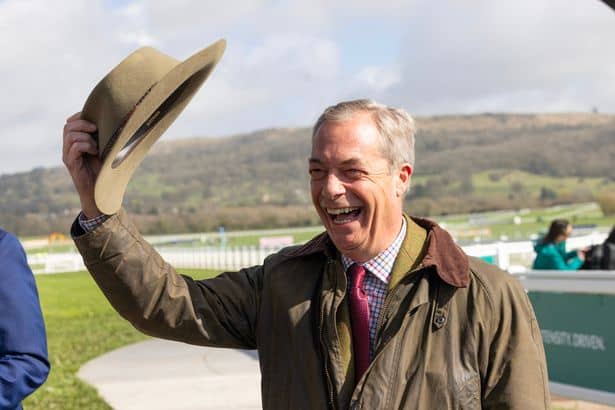

Background and Context Regarding Parliamentary Payments
The financial disclosures regarding Nigel Farage have emerged through newly released parliamentary papers, shedding light on a significant transaction involving his role as an MP for Clacton-on-Sea. The documents confirm that the Reform UK leader received £270,000 to promote Direct Bullion, a company specializing in the sale of gold bars and coins. This payment represents a substantial sum relative to standard parliamentary allowances or typical ambassadorial fees found within other sectors. The revelation has sparked immediate scrutiny from constituents who are accustomed to representatives adhering strictly to public service norms rather than engaging in high-value commercial promotions.
Farage held the position of Member of Parliament for Clacton-on-Sea at the time this financial arrangement was executed and finalized. During his tenure, he served as a brand ambassador for Direct Bullion. The nature of such arrangements is not uncommon in modern politics where politicians may leverage their public profile to endorse various products or services, ranging from books to investment schemes. However, the specific scale of compensation involved here has drawn particular attention given the local economic context and the expectations placed upon Members of Parliament regarding conflicts of interest.
Direct Bullion operates as an entity selling precious metals, a sector often associated with wealth preservation strategies for investors. Farage's involvement was framed around promoting these assets to potential buyers. The payment structure suggests a pre-arranged agreement where compensation is tied directly to the promotional activities undertaken by the MP. Critics argue that such payments can blur the lines between public duty and private gain, potentially influencing policy decisions or creating an appearance of impropriety even if no direct legislative link exists.
Details on Compensation Structure and Work Performed
The specific breakdown of the financial transaction reveals details that have fueled debate among observers. Reports indicate that the compensation amount covering £270,000 was calculated based on a limited scope of work performed by Farage in his capacity as brand ambassador for Direct Bullion. Specifically, analysis suggests that this sum covered only 12 hours of actual work time dedicated to promoting the company's products.
The disparity between the hourly rate implied by such an arrangement and standard market rates or parliamentary salary expectations is a central point of contention. If the total payment was indeed linked strictly to those twelve hours, it implies an effective hourly compensation exceeding £20,000 per hour for promotional activities involving gold bullion sales. This figure vastly exceeds typical earnings in marketing, consulting, or entertainment industries, even at celebrity levels.
Furthermore, the nature of the work performed by Farage likely involved leveraging his public persona and media presence rather than traditional labor such as retail floor time or direct client interaction. Promoters often argue that brand ambassadorship includes significant indirect value derived from name recognition, social media engagement, and press coverage. However, in this instance, the sheer magnitude of the sum relative to the stated hours has led some analysts to question whether additional undisclosed services were rendered or if the payment structure was designed specifically to maximize financial return for Direct Bullion.
The timing of these disclosures adds another layer of complexity. The papers became public after Farage had already stepped down from his parliamentary role, yet the payments and agreements were executed while he remained in office as MP for Clacton-on-Sea. This temporal aspect is crucial because it places the financial activity squarely within a period where strict rules regarding acceptances by MPs apply. Under current regulations, Members of Parliament must declare certain interests to avoid conflicts between their public role and private commercial activities.
Local Resident Reactions and Political Implications
The revelation has caused significant division among the residents within Clacton constituency regarding their local MP's involvement in this scheme. Opinions are split on whether Farage should have accepted such a lucrative sum while representing his constituents. Some community members express concern that accepting over £269,000 for promotional work involving gold investments could be perceived as prioritizing personal financial gain over public service obligations.
Conversely, other residents may view the promotion of investment products like gold bars and coins through a political figure's platform as beneficial or at least within acceptable bounds. The debate reflects broader tensions in local politics regarding transparency, ethical standards for elected officials, and the definition of appropriate conduct during one's term in public office.
The financial details disclosed provide concrete evidence that has fueled these discussions rather than relying on speculation. With verified figures showing a payment amount covering twelve hours of work, critics can point to specific metrics when evaluating potential conflicts of interest or breaches of ethical guidelines expected of MPs. The Reform UK leader's continued prominence in national politics notwithstanding, the local impact remains focused on how this arrangement affected trust within Clacton-on-Sea.
As parliamentary papers continue to be scrutinized by journalists and watchdog organizations similar issues will likely arise regarding other members or entities involved in comparable arrangements. The case of Farage serves as a focal point for ongoing conversations about the intersection of commerce, politics, and public representation in contemporary British governance structures.