

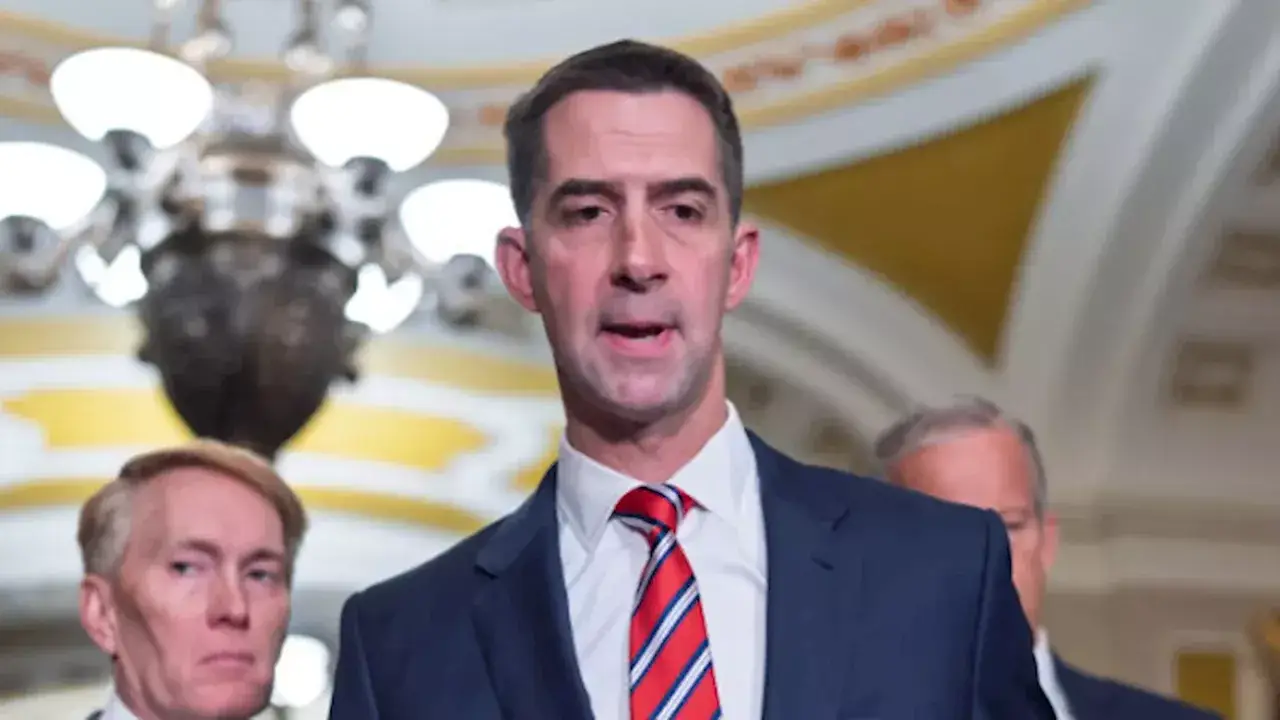

Cotton Cites Safety and Historical Precedent for Opposition
Sen. Tom Cotton (R-AR) has maintained his steadfast opposition to legislation that would make daylight saving time permanent, pointing to historical legislative failures and specific safety concerns for his constituents in Arkansas.
Cotton argued that Congress has enacted permanent daylight saving time multiple times in the past only to repeal it later, a cycle he views as fundamentally flawed. He cited the resulting "absurdly late sunrises in the winter" as a primary reason for his stance against the measure, emphasizing the practical dangers such timing poses to daily life.
On the social media platform X, Cotton emphasized the impact on local families, stating that "Arkansans don't want their kids going to school in the pitch dark." He framed his position as prioritizing the well-being of Arkansas residents over political convenience, suggesting that legislative convenience should not override public safety.
The senator's resistance is rooted in a long-standing skepticism of the policy. According to reports from Breitbart News, Cotton opposes the bill specifically because of these historical failures where Congress enacted and then repealed such measures due to the severe winter sunrise issues. His stance reflects a deliberate choice to avoid repeating what he considers past legislative errors.
Trump Criticizes Stance and Shares Contact Information
The senator's position drew direct criticism from President Donald Trump, who targeted Cotton on Truth Social regarding the Senate's handling of The Sunshine Protection Act. The House of Representatives previously approved the bill by a bipartisan vote of 308 to 117, highlighting the widespread support for the measure in the lower chamber.
Trump asserted that if Cotton were truly putting Arkansas first, he would allow an extra hour of daylight and eliminate the need for citizens to change their clocks twice a year. The president framed the issue as a simple matter of convenience and light, arguing that the current system is outdated and unnecessary.
In addition to criticizing the senator's vote, Trump posted what he identified as Cotton’s personal cellphone number on Truth Social. He urged readers to call the senator directly to express their disagreement with his opposition to the permanent daylight saving time measure, escalating the public dispute between the two figures.
This direct appeal was part of a broader campaign by the president to pressure Cotton into reversing his position. Trump claimed that if Cotton were putting Arkansas first, he would allow an extra hour of daylight and eliminate the need to change clocks twice a year, framing the opposition as a betrayal of constituent interests.
Disputes Over Legislative History
The conflict between the president and the senator also involved differing accounts of why previous attempts at permanent daylight saving time failed. Trump alleged that earlier efforts were terminated because legislators used the issue as a "negotiating chip" for other unrelated legislation, suggesting that political maneuvering, rather than policy merit, dictated the outcome.
Trump's allegations regarding the legislative history stand in contrast to Cotton's focus on the physical consequences of such policies. While Trump points to procedural failures and political gamesmanship, Cotton’s defense rests on the practical outcomes of those historical attempts, specifically the winter sunrise times that resulted from past enactments.
The president's characterization of the legislative process as a series of strategic trades highlights a fundamental disagreement on how such bills should be evaluated. Trump alleged that previous attempts at permanent daylight saving time were terminated because legislators used it as a "negotiating chip" for other legislation, implying that the issue was never taken seriously on its own merits.
Cotton’s position remains anchored in the tangible effects of the policy rather than the political dynamics surrounding it. By citing the "absurdly late sunrises in the winter," he focuses on the immediate impact on citizens, particularly children, rather than the legislative tactics described by the president.
Constituency Concerns and Political Pressure
The debate has intensified as both figures appeal to different aspects of political responsibility. Cotton emphasizes the direct impact on Arkansas families, while Trump focuses on the broader national convenience and the perceived failure of the Senate to act.
Cotton's statement that "Arkansans don't want their kids going to school in the pitch dark" serves as a rallying point for his constituents, framing the issue as one of child safety and daily routine. This contrasts with Trump's argument that eliminating the clock change would provide an extra hour of daylight, a benefit he views as universally desirable.
The sharing of Cotton's personal phone number by Trump adds a layer of direct public pressure to the political dispute. By urging people to call the senator, Trump is attempting to mobilize constituent opinion against Cotton's stance, leveraging the president's platform to amplify his own position on the issue.
This escalation underscores the high-profile nature of the disagreement. The president's claim that Cotton is not putting Arkansas first directly challenges the senator's representation of his state, while Cotton's focus on historical safety records provides a counter-narrative based on past policy outcomes rather than future promises.