

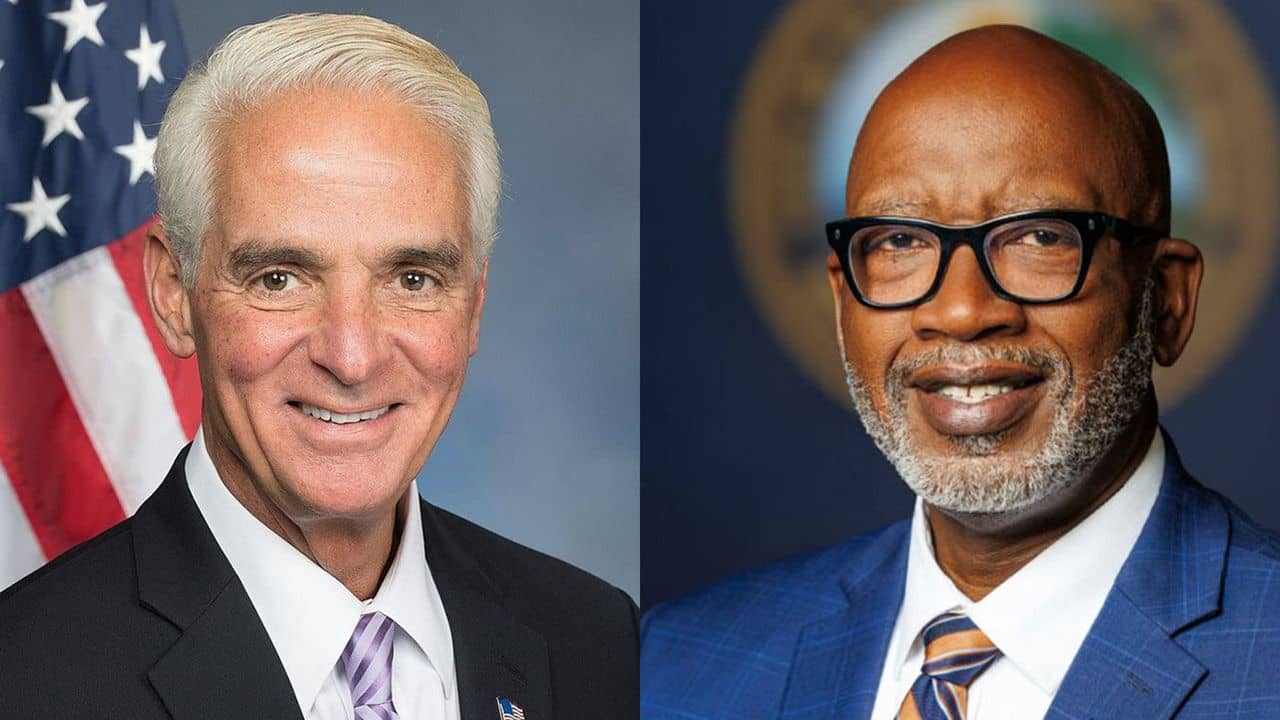

Primary Results Confirm Runoff Between Welch and Crist
St. Petersburg residents concluded their mayoral primary election with results that necessitate a second round of voting. According to reporting from Spectrum Bay News 9, the race between incumbent Mayor Ken Welch and challenger David Crist did not produce a winner who secured more than 50 percent of the vote in the initial ballot. Consequently, both candidates have advanced to a runoff election scheduled for November.
The primary contest was characterized by a narrow margin between the top two finishers, leading to the mandatory runoff procedure under local election laws. The final count placed Welch and Crist as the only two candidates eligible to proceed to the general election phase. This development ensures that the leadership of the Florida city will be decided in a head-to-head contest later this year.
Election officials confirmed the standings on Monday, August 18, 2026, following the certification of primary results. The announcement marked the end of the initial voting period and the beginning of the final campaign stretch for the two remaining contenders. Voters in St. Petersburg will now prepare for a November election that will determine the next mayor of the Pinellas County city.
St. Petersburg's Runoff Election Mandate
The requirement for a runoff election is a fundamental aspect of St. Petersburg's local electoral system, designed to ensure that the city's top leader holds a clear mandate from the majority of voters. When no single candidate achieves more than 50 percent of the vote in the primary, the two candidates who received the highest number of votes automatically proceed to a second, decisive election. This mechanism prevents a mayor from being elected with only a plurality of votes, reinforcing the principle of majority rule in local governance.
The narrow margin observed in the primary results underscores the competitive nature of the race and the divided preferences among the electorate. For both Mayor Welch and challenger Crist, securing a spot in the November runoff means shifting their campaign strategies from appealing to a broad field of primary voters to directly confronting each other on key issues. The period between the August primary certification and the November runoff provides a critical window for both campaigns to refine their messages, consolidate support, and engage with voters who may have initially supported other candidates.
Contentious Campaign Dynamics Define Primary Period
The weeks leading up to Election Day were marked by intense competition and sharp rhetoric between the campaigns of Welch and Crist. Descriptions of the final phase of the primary race indicate that it became "somewhat contentious" as both candidates sought to secure their base and attract undecided voters. This heightened level of political discourse reflected the significant stakes involved in leading St. Petersburg, a prominent city in Pinellas County.
The tightness of the race contributed to the heated nature of the campaign. With neither candidate holding a commanding lead, strategies focused on aggressive outreach and direct engagement with the electorate. The closeness of the poll numbers in the final days before voting began amplified the stakes for both camps, leading to more direct challenges and responses between the incumbent and his challenger.
As the primary date approached, the discourse between the incumbent and his challenger intensified. Reports from the period describe a race that turned tight, reflecting the competitive environment that defined the political landscape in St. Petersburg during this election cycle. The contentious nature of the final weeks underscored the significant interest residents had in the direction of city leadership, with debates often centering on the city's future development, economic policies, and community initiatives.
Intensified Scrutiny and Voter Engagement
The contentious dynamics of the primary period meant that both candidates faced intensified scrutiny from the media and the public. Every public statement, policy proposal, and campaign event was analyzed for its potential impact on the tight race. Campaign teams worked tirelessly to mobilize their core supporters, utilizing various methods from door-to-door canvassing to digital outreach, all aimed at ensuring maximum voter turnout in a primary where every vote was crucial.
The competitive environment also spurred a higher level of voter engagement, as residents recognized the importance of their participation in shaping the city's future. Public forums and town halls became platforms for spirited exchanges, allowing voters to directly question candidates on their platforms and visions for St. Petersburg. This active participation from the electorate highlighted the critical role that local elections play in the daily lives of citizens, particularly when the race is as closely contested as this mayoral primary.
November Showdown: Strategies for the General Election
The advancement to a runoff shifts the focus of the mayoral race toward a direct comparison between Welch and Crist. With the primary field eliminated, all attention is now on these two candidates as they prepare for the November showdown. This head-to-head contest presents a distinct set of challenges and opportunities for both campaigns, requiring a strategic pivot from the multi-candidate primary.
The runoff format requires both campaigns to mobilize support among voters who may not have participated in the primary or who voted for eliminated candidates in the first round. The dynamics of this November election will likely depend on how effectively each candidate can consolidate support and appeal to a broader coalition of St. Petersburg residents, extending beyond their initial base.
Consolidating Support Beyond Primary Voters
A critical strategic imperative for both Mayor Welch and David Crist in the coming months will be to win over the voters who cast their ballots for other candidates in the primary. This involves understanding the motivations and priorities of those voters and tailoring messages that resonate with their concerns. Campaigns will likely engage in targeted outreach, attempting to demonstrate how their platforms align with the interests of a wider segment of the St. Petersburg population.
The ability to build a broader coalition will be paramount. This could involve highlighting areas of common ground, addressing new issues that emerged as important during the primary, or emphasizing leadership qualities that appeal across different political leanings. The shift from a fragmented primary electorate to a consolidated general election voter base demands a more inclusive and unifying campaign approach from both contenders.
Key Issues and the Road Ahead for St. Petersburg
As the city moves toward the runoff, the campaigns will need to address the issues that defined the primary contest while also responding to the specific criticisms raised during the contentious final weeks. These issues likely encompass a range of local concerns, from urban development and environmental sustainability to public safety and economic growth. The incumbent mayor will likely highlight achievements and ongoing projects, while the challenger will focus on areas needing improvement and propose alternative solutions.
The outcome of the November election will determine who serves as the next mayor of St. Petersburg, with the current incumbent facing a determined challenger in the final vote. The residents of St. Petersburg will ultimately decide which candidate's vision and leadership style they believe are best suited to guide their city forward in the coming years.