

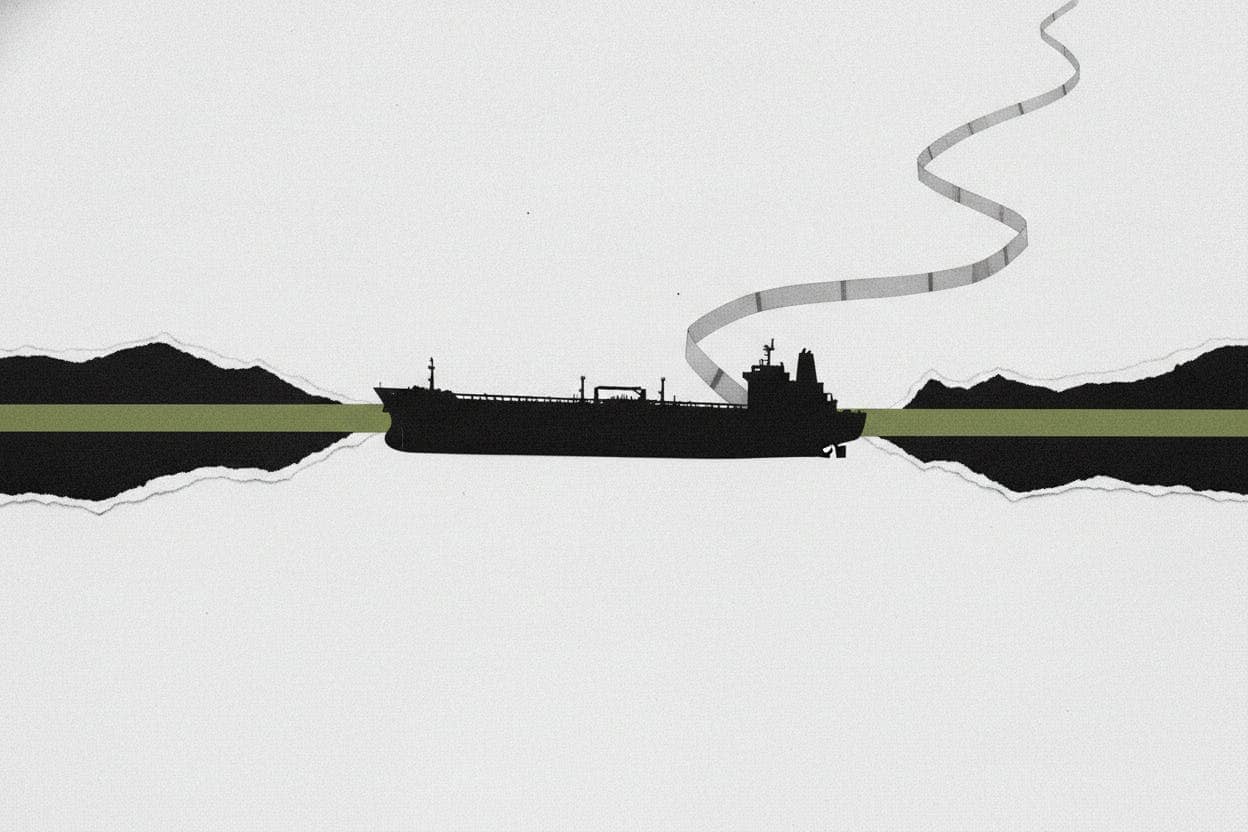

Reuters reported Brent crude oil prices topped $86 a barrel. The jump came after fresh security risks in the Middle East raised concerns regarding shipping delays through the Strait of Hormuz and possible disruption routes in the Red Sea.
Diesel Margins Hit Record Highs
The sharper market message emerged from diesel prices rather than just crude oil spikes. Reuters said diesel refining margins hit records, with low-sulfur gasoil futures trading as much as $66.25 above Brent. Analysts noted this spread represents a pressure point in the energy markets.
Low-sulfur gasoil is part of the middle distillates family of fuels used for trucking, shipping, and industry operations globally. The Middle East remains a significant exporter of diesel fuel essential to these sectors. When refining margins reach such levels, it indicates the market is paying up significantly for finished fuel relative to crude.
Market stress appears less as a short-term spike in crude oil prices today. Instead, the pressure manifests through persistently expensive diesel across regions like Europe even before global crude supply physically drops due to physical disruptions elsewhere.
Middle East Security Risks and Shipping Routes
Increased security risks in the Middle East are raising concerns about potential shipping delays. The Strait of Hormuz serves as a critical chokepoint for oil exports from Saudi Arabia, Iraq, Iran, Kuwait, Qatar, Bahrain, and Oman.
Reuters reported that if tankers face delays or must reroute due to these security issues, diesel supply tightens in places like Europe before global crude supply physically drops. This dynamic affects the availability of finished products faster than raw material shortages alone would suggest.
The Red Sea route has become more important following shifts in Saudi oil flows. Previously, much of this flow moved through Hormuz. Now, those routes face heightened scrutiny due to ongoing regional tensions and potential disruptions reported by security analysts.
Saudi Arabia Redirects Flows via East-West Pipeline
To mitigate risks associated with the Strait of Hormuz, Saudi Arabia has redirected oil flows to Yanbu via the East-West Pipeline. This infrastructure change reduces exposure for exports that previously relied on Hormuz shipping lanes entirely.
By moving production capacity toward Yanbu and utilizing pipeline networks connecting eastern fields like Ghawar and Safaniya directly to western ports at Ras Tanura, Saudi Aramco decreases dependence on maritime transit through the narrow Strait of Hormuz. This strategic pivot alters global logistics patterns significantly.
The redirection increases reliance on alternative shipping corridors including those passing near Yemen’s coast in the Red Sea. As tankers navigate these waters instead of solely using Persian Gulf exits, operators face new navigation challenges and potential delays if conditions deteriorate further along this alternate path.
Market Implications for Global Energy Security
The $66.25 gasoil-over-Brent spread highlighted by Reuters serves as an indicator of market stress beyond headline crude price movements. When diesel margins remain elevated over extended periods, it suggests structural supply constraints rather than temporary volatility.
Europe faces particular vulnerability because its industrial and transport sectors depend heavily on imported middle distillates from the Middle East region. Any disruption to shipping lanes feeding these imports creates immediate pressure on local refining capacity and inventory levels within EU member states.
Tightening diesel supply impacts regions like Europe even before global crude oil supply is physically affected, according to Reuters analysis of current logistics bottlenecks. This phenomenon occurs because finished product pipelines cannot easily reroute around geopolitical flashpoints affecting maritime transport networks globally.
Market participants monitor the gasoil-to-crude spread closely as a leading indicator of potential downstream disruptions ahead of actual crude supply shocks. Sustained elevation in this metric signals that refineries are struggling to maintain output levels despite adequate raw material availability upstream from Middle Eastern producers.