

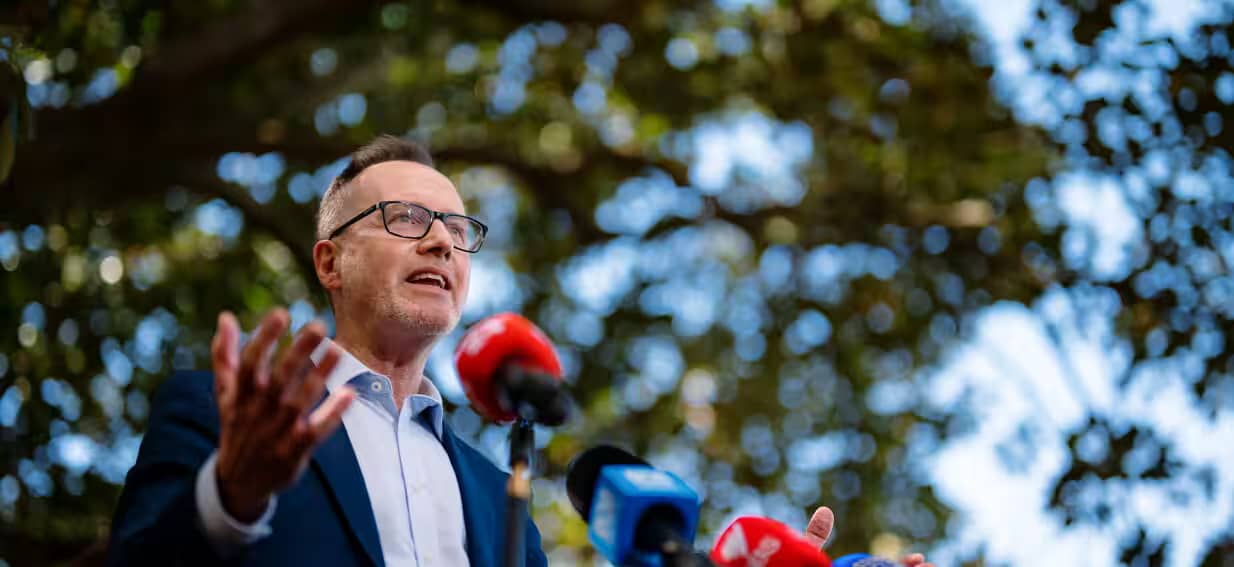

Shoebridge Wins Unprecedented Ballot for Leadership
David Shoebridge was elected as the new leader of the Australian Greens on Wednesday during an unprecedented ballot held in Sydney. The selection occurred two days after former leader Larissa Waters announced her resignation from politics due to chronic kidney disease.
The 11-member party room voted for Shoebridge, who secured seven votes to four against his rival Mehreen Faruqi after preferences were distributed. Senator Sarah Hanson-Young was eliminated from the contest with two votes.
Shoebridge’s victory marks a shift in leadership for the party, which is currently navigating internal tensions following the close nature of the vote. The result places him at the helm of the Greens as they prepare for upcoming political challenges.
Deputy Leader Selection and Nominations
In a separate contest for the deputy leadership position, Steph Hodgins-May won six votes to five against Vanessa Bleyer. Senator Jordan Steele-John had also been nominated for the role of deputy leader but did not win the position.
Reactions Highlight Party Divisions
The aftermath of the leadership ballot revealed significant friction among prominent party-room members. Sarah Hanson-Young, who was eliminated from the race, described politics as "brutal" and stated that the Greens face a serious challenge in defeating the "radical right" and One Nation.
Mehreen Faruqi expressed disappointment regarding the structure of the leadership vote. She stated that grassroots members deserve a chance to participate in future elections, noting that the current process was open only to parliamentarians.
Experts Warn of Impact on Party Unity
Zareh Ghazarian, associate professor of politics and international relations at Monash University, described Shoebridge’s victory as "a bit surprising." Ghazarian noted that Shoebridge has not maintained as strong a profile compared to his rivals Faruqi and Hanson-Young.
Ghazarian stated that the Greens have never experienced such tension about leadership before. He observed that there is a sense of division within the party at a difficult time for its operations.
Political science expert Ian McAllister, an associate of the Australian Politics Studies Centre, provided analysis on the potential consequences of this internal conflict. While he noted that leadership changes typically affect the Greens' vote less than they do major parties, he warned that perceived division will negatively impact their popularity.
McAllister cautioned that if voters perceive the party as divided, they are less likely to vote for it. He identified specific risks associated with this perception, including public arguing and unclear policy messaging.