


Legal Resolution Reached in First Amendment Dispute
The District of Columbia and the American Civil Liberties Union (ACLU) announced on Friday that they have settled a lawsuit concerning the arrest of Sam O'Hara. The legal agreement resolves claims regarding the wrongful arrest of O'Hara, who was detained in September 2025 for protesting the presence of National Guard troops in Washington, D.C.
Under the terms of the settlement, O'Hara will receive an undisclosed monetary payment from the District. In exchange for this financial compensation, O'Hara has agreed to drop his lawsuit against the District of Columbia and its Metropolitan Police Department. The ACLU filed the finalized settlement documents on behalf of O'Hara on Friday, concluding a months-long negotiation process with city officials.
The resolution marks the end of legal proceedings directed at the local government entities involved in the incident. However, the settlement does not conclude all legal actions related to the arrest. According to reports from USA Today, litigation regarding the Ohio National Guard sergeant who detained and cuffed O'Hara remains ongoing. That specific suit has not been part of the current agreement between the District and the ACLU.
Details of the September 2025 Incident
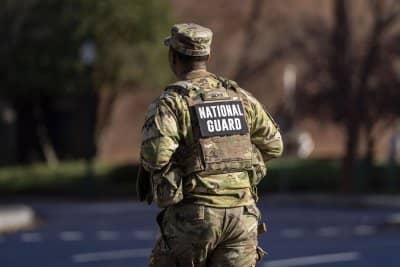
The legal dispute originated from events that took place in September 2025, when National Guard troops were deployed to Washington, D.C. During this deployment, O'Hara engaged in a protest against the military presence in the capital city.
O'Hara’s method of protest involved repeatedly playing the "Imperial March," which is Darth Vader’s theme music from the Star Wars movie franchise. He played the audio track behind members of the Guard who were on patrol in the District. This action led to his arrest by law enforcement officials present at the scene.
The specific nature of the protest and the subsequent detention became the central subject of the civil rights lawsuit filed by O'Hara. The ACLU represented O'Hara in the case, arguing that the arrest violated constitutional protections. The settlement agreement addresses the claims against the District and its police department but leaves the liability of the individual military officer involved in the detention to be determined in separate proceedings.
Free Speech Arguments Highlighted
The case has drawn attention from civil liberties advocates regarding the boundaries of public protest and government criticism. Scott Michelman, legal director for the ACLU's Washington, D.C., chapter, provided commentary on the significance of the dispute to The New York Times.
Manuel emphasized the constitutional principles at stake in the litigation. "Our right to free speech grants us the freedom to criticize the government," Michelman said, according to the report. This statement underscores the ACLU's position that O'Hara’s actions constituted protected speech rather than unlawful conduct warranting arrest.
The settlement concludes the financial and legal liability of the District of Columbia in this matter. The undisclosed payment resolves the claims against the city without an admission of fault or a detailed public accounting of the damages awarded. The ongoing litigation involving the Ohio National Guard sergeant represents the remaining legal uncertainty regarding individual accountability for the arrest.
Implications for Future Protests
The resolution of the suit against the District does not set a binding precedent for all future cases involving National Guard deployments or protest arrests in the capital. The separate case involving the arresting sergeant will proceed independently, potentially establishing different legal outcomes regarding the use of force or detention protocols by military personnel on domestic soil.
Observers note that the incident highlights the complexities of managing civil disobedience during periods of heightened security presence. The use of pop culture references, such as the "Imperial March," as a form of protest has become a noted tactic in recent demonstrations, though the legal classification of such actions can vary based on local ordinances and specific circumstances.
The District’s decision to settle avoids further public litigation costs and potential adverse rulings. The ACLU stated that the settlement affirms the right to criticize government actions through non-violent means. The case remains a documented instance of the intersection between military deployment, civil rights law, and First Amendment protections in the nation's capital.