

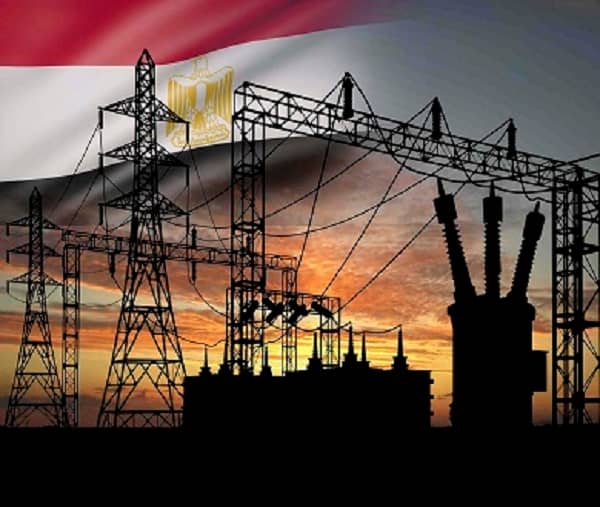

Egypt's Ministry of Electricity Raises Residential Tariffs by 12%
The Egyptian Ministry of Electricity has officially announced a significant adjustment to its pricing structure, implementing a twelve percent increase in residential electricity tariffs. This administrative decision, specifically targeting household usage across the nation, is set to impact millions of families as it takes effect immediately following its approval by state utility grid administrators.
This latest regulatory adjustment follows an extensive period of internal review, during which officials assessed the fiscal mechanics necessary to ensure the sustainability and operational integrity of Egypt's national power distribution networks. State grid administrators have publicly articulated that the restructuring of electricity pricing mechanisms is not merely a policy choice but a vital necessity for their overarching operational framework.
According to official statements, these price adjustments are deemed essential measures designed to offset the escalating generation costs associated with both maintaining the existing electrical infrastructure and funding its crucial expansion. The administration firmly maintains that without such fiscal interventions, the fundamental reliability of the country's power supply would be severely compromised by accumulating financial deficits, potentially leading to service disruptions.
This current implementation is not an isolated incident but rather follows a pattern of previous tariff expansions, with similar adjustments having been approved as recently as April of the current year. These consecutive utility hikes underscore a broader trend of economic policy shifts that are progressively affecting various public services throughout Egypt, signaling a strategic move towards cost recovery in state-operated sectors.
Middle-Class Families Face Dual Economic Strain
Erosion of Purchasing Power Amid Stagnant Wages
Prominent financial analysts and sociological experts have swiftly issued warnings regarding the profound implications of these recent price adjustments. These specialists caution that the series of consecutive utility hikes is systematically eroding consumer purchasing power, particularly across Egypt's major metropolitan sectors, where the cost of living is already significantly high.
The severe fiscal adjustments, identified by industry observers, are disproportionately affecting middle-class households. These families are already struggling against persistent structural inflation, which has steadily increased the cost of everyday goods and services. Analysts specifically note that these households are simultaneously contending with escalating healthcare costs and multi-layered education expenditures, which represent substantial portions of their annual budgets.
Critically, these families find themselves in a precarious position, largely without substantial state support or corresponding wage growth to counterbalance the relentless rise in essential expenses. This lack of income adjustment against increasing costs means that disposable income is shrinking, forcing difficult choices in household budgeting.
Independent economists have voiced specific concerns about the potential social risks generated by the cumulative effect of these economic policies. While acknowledging that rising generation costs present a valid operational metric for utility providers, these experts suggest that the sheer magnitude of the price increases, when viewed in conjunction with other economic pressures, could create far-reaching consequences for broader societal stability and significantly impede economic mobility, especially among lower-income demographics and the struggling middle class.
Subsidy Removals Compound Financial Pressures
Compounding the domestic utility crisis, which has been widely reported by experts, is a parallel and aggressive administrative action concerning government subsidy programs. The recently implemented electricity price hikes directly coincide with the sudden removal of thousands of middle-income families from official government food and commodity subsidy registries. This policy shift means that families who once relied on state support for basic necessities are now left to bear the full market cost of these goods.
This simultaneous policy shift has significantly intensified national debates regarding the economic survival strategies available to middle-class families across Egypt. Sociological experts are highlighting that households are now confronted with a severe dual burden: not only are they facing substantially increased utility costs for essential services like electricity, but they are simultaneously losing access to subsidized commodities that were previously considered essential for daily sustenance and household stability. This double impact threatens to destabilize household finances further.
Economists Warn of Social Risks as Households Approach Poverty Line
A Convergence of Fiscal Challenges
The financial strain currently experienced by Egyptian households is not an isolated issue confined solely to the energy sector. Instead, it reflects a deeper matrix of broader structural economic challenges that have been accumulating over time. Experts are increasingly highlighting that families are simultaneously dealing with surging healthcare costs and persistently rising education expenses, all without the benefit of substantial state support or any significant corresponding wage growth to absorb these escalating expenditures.
Independent economists, while acknowledging the government's stated operational necessities for tariff adjustments, suggest that independent analysis reveals a critical disconnect between the rapidly increasing utility pricing and the actual household income levels prevalent in Egypt's major urban centers. This disparity means that the burden of rising costs is falling disproportionately on incomes that have not kept pace with inflation or the cost of essential services.
The recent removal of subsidies for food and commodities has further exacerbated this situation, severely eroding the already limited disposable income available to families. These households are now compelled to allocate significantly larger portions of their monthly budgets toward basic utilities and unsubsidized essential goods, leaving less for other critical needs and savings.
The cumulative effect of these factors—the twelve percent residential electricity tariff increases, the sudden removal from subsidy registries, surging healthcare costs, inflationary pressures on education expenses, and stagnant wage growth—has collectively created an exceptionally precarious economic environment for middle-income households. Financial analysts are issuing stark warnings that this convergence of fiscal adjustments is not merely an inconvenience but a critical threat that could push vulnerable populations, including a significant segment of the middle class, alarmingly closer to or even below the poverty line.