

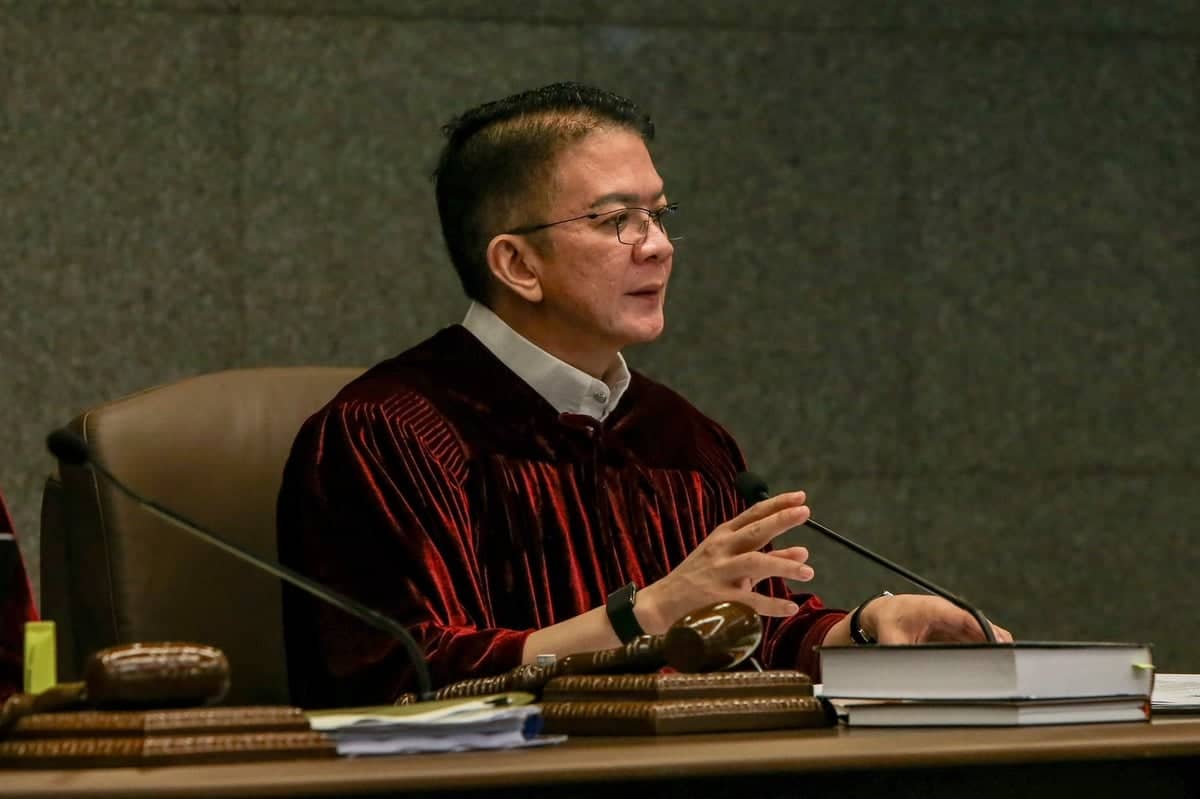

Dismissal of Alleged Vote-Securing Efforts
Speculation has emerged concerning Senator Francis "Chiz" Escudero's alleged involvement in securing votes for the conviction of Vice President Sara Duterte during an ongoing impeachment trial. These claims, which suggest that Senator Escudero was actively pressing for these votes, have been met with a firm and unequivocal denial from his political camp, characterizing the reports as nothing more than unfounded rumors.
Escudero Camp Rejects "Gossip"
A spokesperson for Senator Escudero described the rumors surrounding these alleged vote-hunting activities as "gossip," a term used to dismiss them as unsubstantiated and lacking factual basis. The office stated emphatically that such characterizations do not reflect the senator's actual conduct or intentions regarding the complex and sensitive impeachment proceedings. This strong dismissal serves as a direct counter to narratives that suggest improper coordination or illicit vote-hunting tactics are being employed to influence the outcome of the high-stakes trial against Vice President Duterte.
The allegations imply a concerted and potentially unethical effort by Senator Escudero to gather sufficient support for a conviction, which would require a significant number of votes in the Senate. However, his representatives have rejected this framing entirely, categorizing the reports as baseless speculation rather than factual political maneuvering. The spokesperson further emphasized that any public interactions or meetings involving the senator, particularly with other political figures, should not be misinterpreted or twisted as part of an illicit strategy to manipulate the impeachment process. The camp maintains that Senator Escudero operates strictly within the bounds of his legislative duties and ethical conduct, refuting any insinuation of impropriety.
Clarification on Meetings with Political Figures
The controversy surrounding Senator Escudero has extended to discussions regarding his interactions with various political figures, specifically highlighting a meeting with former Vice President Leni Robredo. Critics and political observers have suggested these meetings were strategic moves aimed at consolidating support for the impeachment case against Vice President Duterte, fueling the narrative of vote-securing efforts.
Legislative Engagements and Personal Ties
In response to these interpretations, evidence presented by Escudero's camp indicates that any meeting between Senator Escudero and former Vice President Robredo was conducted strictly as part of his regular legislative duties. As a senator, Escudero frequently engages with a wide array of political actors, including former high-ranking officials, to discuss matters pertinent to national policy and governance. The spokesperson further noted that the senator and former Vice President Robredo share a long-standing friendship, a personal connection that significantly predates the current political tensions and the impeachment trial itself. This enduring personal history was cited to provide crucial context for their interactions, framing them as routine political engagement and collegial discourse rather than coordinated efforts specifically designed to sway the judicial process of impeachment.
The camp also addressed the mention of other political figures, such as former Vice President Jejomar Binay, reiterating that such meetings are part of a senator's broad responsibilities. By highlighting both their historical relationship and the nature of legislative work, Escudero's office sought to normalize these collaborations and firmly separate them from the high-stakes political environment of the impeachment proceedings. The spokesperson’s statement aimed to clarify that legislative responsibilities often necessitate dialogue with various political actors, irrespective of their current stance on specific cases or their perceived alignment in ongoing political battles. This distinction is crucial to counter claims of impropriety and to uphold the integrity of the senator's office.
The Critical 16-Vote Conviction Threshold
While Senator Escudero's camp actively addresses the rumors regarding alleged vote-hunting, the broader impeachment trial against Vice President Sara Duterte continues to intensely focus on the stringent procedural requirements for a successful conviction. A central and often debated point among observers, legal experts, and political participants alike is the specific number of votes required to convict and remove Vice President Duterte from office, a threshold that dictates the very viability of the impeachment effort.
Navigating Senate Dynamics for Conviction
The trial operates under a constitutionally mandated 16-vote threshold for conviction in the Senate. This precise numerical requirement has become a pivotal focal point for extensive analysis and strategic planning regarding the potential outcome of the case. Political analysts, legal scholars, and fervent supporters on both sides of the issue are meticulously monitoring the alignment and declared intentions of individual senators to determine if this critical 16-vote mark can realistically be reached. The composition of the Senate and the diverse political affiliations of its members make achieving such a supermajority a formidable challenge.
The profound significance of the 16-vote threshold lies in its role as the definitive constitutional barrier for removal from office. Without securing this specific number of votes, any impeachment effort, regardless of the evidence presented, cannot succeed in convicting the impeached official. The ongoing debate therefore centers not just on the merits of the case but fundamentally on whether sufficient political consensus and will exist within the Senate to meet this specific and demanding numerical requirement. Speculation regarding individual senators' intentions, including the unsubstantiated claims involving Senator Escudero, is often fueled by the inherent difficulty and political complexity of securing such a precise majority in a politically diverse and often divided legislative body.
As the impeachment trial progresses, the intricate intersection of procedural rules, constitutional mandates, and shifting political alliances remains under intense scrutiny. The dismissal of what Escudero's office terms "gossip" occurs against this complex and politically charged backdrop of intense calculation regarding the 16-vote requirement. The ultimate outcome of the impeachment proceedings will undeniably depend on whether the necessary votes can be marshaled and secured within the strict framework established by the Senate rules governing impeachment trials, making the 16-vote threshold the ultimate determinant of Vice President Duterte's fate.