

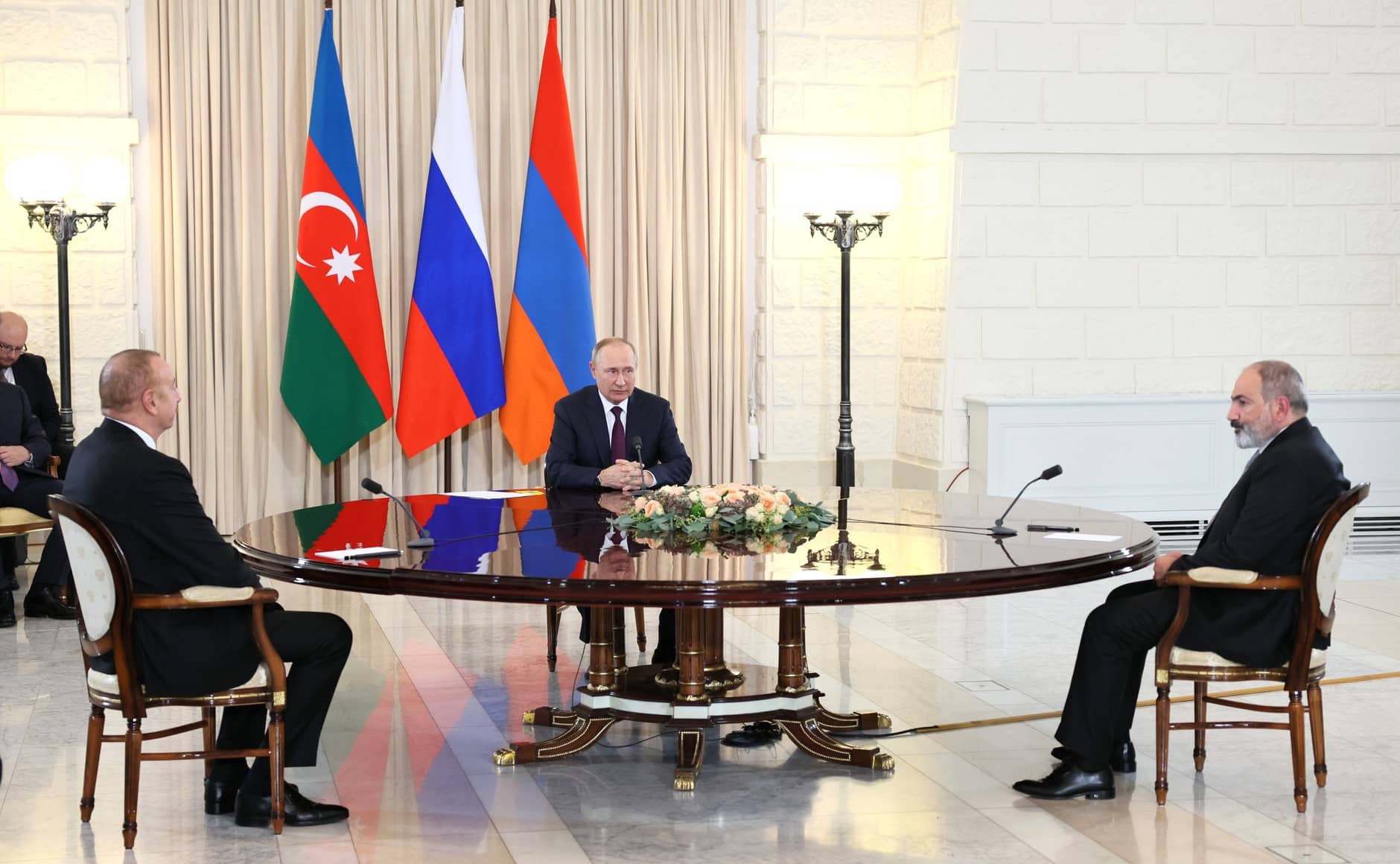

Brussels maintains that its engagement with Armenia rests on the premise that Prime Minister Nikol Pashinyan is actively distancing his country from Russia. Among EU officials, this rationale has hardened into doctrine: "Pashinyan is taking Armenia away from Russia." That sentence has become the whole of EU policy toward Yerevan.
Critics argue this approach constitutes a strategic error. The strategy potentially pushes Armenia toward authoritarian rule and makes it less democratic and secure at the same time without loosening Russia's grip on the region.
Financial Commitments Amid Political Concerns
Days before Armenians voted on 7 June, the European Commission declared it was "standing firmly" behind prime minister Nikol Pashinyan. At that juncture, Brussels unveiled a support package of more than €50m.
Weeks after the vote – widely seen in Armenia as fraudulent – and after members of the main opposition bloc were arrested for petitioning to annul the results, Brussels expanded its investment commitments toward €2.5bn. The European Union also advanced visa-liberalisation talks during this period.
The Rationale Behind Continued Support
This EU support has continued despite concerns in Armenia about the legitimacy of recent elections and the arrest of opposition figures. Among EU officials, the rationale for these actions is explicitly stated as a belief that Pashinyan is moving the nation away from Moscow.
Detention of Clergy and Prosecution
The European Union's approach is seen by some observers as excusing or overlooking domestic political developments in Armenia. Specific allegations regarding these developments include the detention and prosecution of senior clergy within the Armenian Apostolic Church.
Critics highlight that one archbishop was held for 344 days in pre-trial detention during this period. Additionally, a criminal case has been opened against the Catholicos, according to reports detailing the scope of these prosecutions.
Strategic Implications and Regional Dynamics
The article notes that if Azerbaijan attacks again, Brussels will find its investment bought neither leverage in Baku nor strength in Yerevan. This assessment suggests a potential miscalculation regarding how financial aid translates into political influence across the South Caucasus.
Analysis of Policy Effectiveness
The text posits that the current strategy creates a paradoxical outcome where Armenia becomes less democratic and less safe simultaneously. The argument is made that this occurs without effectively reducing Russia's grip on Armenian politics or society.
The phrase "He [Pashinyan] is taking Armenia away from Russia" represents the core of the stated policy, yet critics suggest this narrative ignores other factors influencing Yerevan's foreign relations and internal governance structures.
Broader Context of EU Engagement
The European Commission’s declaration to stand firmly behind Pashinyan occurred shortly before the 7 June vote. The timing suggests a pre-existing commitment that persisted regardless of subsequent events regarding election legitimacy or opposition arrests.
Impact on Democratic Institutions
Reports indicate that the expansion of investment commitments toward €2.5bn took place weeks after members of the main opposition bloc were arrested for petitioning to annul the results. This sequence of events forms part of the context critics use to argue against the efficacy of current EU policy.
Clergy Detention Details
Specifics regarding religious persecution include four senior clergy of the Armenian Apostolic Church being detained and/or prosecuted. The detention duration for one archbishop is cited as 344 days in pre-trial detention, a figure that underscores the severity of allegations against the current administration.
Potential Consequences of Current Stance
According to the analysis provided by David Grigorian on Euobserver, published on 29 July 2026 at 09:09 in Boston, the EU’s strategy may fail to achieve its stated goals. The article suggests that financial and trade perks are being poured into Armenia while critics decry what they view as political meddling.
The source context indicates that Brussels is not pulling Armenia away from Russia – it is pushing Yerevan into autocracy. This characterization serves as the central thesis of the piece, linking EU policy directly to concerns about authoritarian drift in Yerevan.
Regional Security Considerations
The article warns that if Azerbaijan attacks again, Brussels will find its investment bought neither leverage in Baku nor strength in Yerevan. This statement implies a potential vulnerability in the region’s security architecture should current policies fail to stabilize relations between Armenia and Russia.
Legitimacy of Recent Elections
The text explicitly states that the vote on 7 June was widely seen in Armenia as fraudulent. This perception is cited alongside the arrest of opposition members who petitioned for annulment, framing these events as critical points where EU policy diverged from local concerns.