

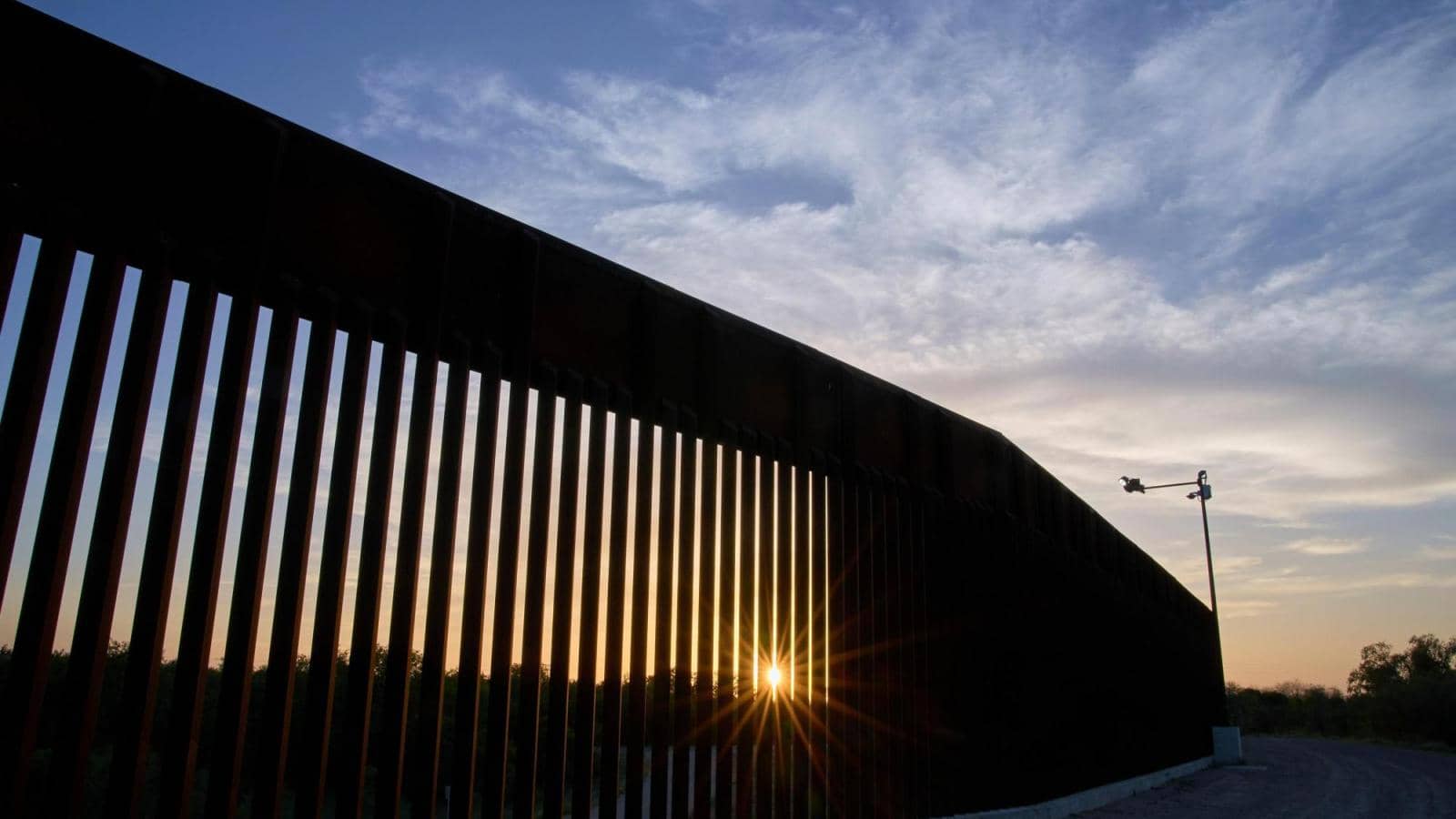

Federal Judge Clears Path for Border Wall Segment
A federal judge has issued a definitive order, permitting the Department of Homeland Security (DHS) to proceed with the construction of a border wall. This critical infrastructure project is slated to pass directly through the established levee system of Presidio, a small Texas town situated along the Rio Grande. The judicial decision allows federal government officials to move forward with building the barrier along this specific, sensitive stretch of the U.S.-Mexico southern boundary, despite significant concerns raised by local authorities regarding potential flooding risks.
The ruling follows extensive legal proceedings that scrutinized the proposed placement and the anticipated impact of the barrier on existing local flood control measures. Throughout these discussions, federal authorities have consistently maintained that the project is indispensable for national security objectives. Concurrently, they have addressed, or committed to address, the specific concerns articulated by municipal leaders in Presidio regarding the integrity and functionality of water management systems in the region.
DHS Cites National Security Mandates
The Department of Homeland Security has reaffirmed its commitment to advancing its border enforcement efforts, asserting that the construction aligns with current federal mandates. Officials overseeing the project have indicated that comprehensive engineering assessments will be conducted in tandem with building activities. These assessments are crucial for ensuring the structural integrity of the wall and the stability of the riverbank where it is being erected, particularly given its integration into the existing levee infrastructure.
Representatives for DHS have underscored the agency's dedication to completing designated sections of the border barrier according to established timelines and precise specifications. These parameters are outlined in recent legislative frameworks specifically governing border security initiatives. The agency has also highlighted that similar infrastructure projects, aimed at enhancing border control and security, are currently underway across multiple jurisdictions within Texas state lines, indicating a broader, coordinated federal strategy.
Engineering Assessments to Accompany Construction
In response to the specific challenges posed by constructing through a vital levee system, DHS has committed to a rigorous process of engineering oversight. This includes ongoing evaluations designed to mitigate any adverse effects on the levee’s primary function of flood protection. The federal government's position emphasizes that while national security is paramount, the design and construction methodologies will incorporate measures to minimize disruption and ensure the continued efficacy of local flood defenses. This commitment aims to reconcile the dual objectives of border security and community safety, particularly in a region prone to significant weather events.
Presidio Community Fears Catastrophic Flooding
The municipality of Presidio, strategically located along the Rio Grande river system, formally submitted robust objections to the plans involving wall construction directly through its existing levee network. Local government representatives articulated strong arguments that modifying or building upon these critical flood control structures could severely compromise their inherent ability to effectively manage water levels, especially during periods of heavy precipitation and potential river surges.
Residents and elected officials in Presidio have voiced profound worry that altering the natural flow dynamics of the area, particularly along the riverbanks, might significantly increase the community’s vulnerability to inundation. This concern is particularly acute for areas downstream from the town’s current elevation points along the riverbank. The community’s historical reliance on these levee systems, which were meticulously established decades ago, is extensive, as they serve to protect vital agricultural lands and numerous residential zones situated perilously close to the water sources.
- Presidio municipal leaders have explicitly stated their belief that the proposed construction could disrupt established drainage patterns, which are absolutely critical for regional flood prevention efforts.
- Town representatives have cited historical data and past experiences, noting that changes to riverbanks and associated infrastructure can lead to unpredictable and potentially devastating flooding scenarios in adjacent communities, posing a direct threat to public safety and property.
Municipal attorneys representing Presidio have further highlighted previous instances where infrastructure modifications near waterways resulted in unexpected and often severe environmental consequences, directly affecting neighboring properties and ecosystems. These detailed arguments formed a significant part of the legal briefs submitted during the hearings that preceded the judge’s recent decision, underscoring the town's proactive efforts to safeguard its residents.
Long-Standing Levee System Under Threat
The levee system in Presidio is not merely a modern construction; it represents decades of investment and engineering designed to protect the community from the often-unpredictable forces of the Rio Grande. Established long ago, these levees have become an integral part of the town’s infrastructure, providing a critical buffer against the river’s fluctuating water levels. The prospect of a border wall intersecting this established network raises fundamental questions about the long-term stability and effectiveness of these vital flood defenses, which have historically shielded homes, businesses, and agricultural fields from potential disaster.
Environmental and Infrastructure Implications Debated
Critics of the project, including various local advocacy groups representing residents living along the border region, have voiced profound apprehension about the potential impacts on both the delicate environmental conditions and the traditional ways of life that have long been sustained by proximity to these waterways. Some observers suggest that the rapid implementation schedules often associated with large-scale federal projects may inadvertently limit opportunities for a thorough and comprehensive review of the ecological consequences linked to such extensive construction activities. This concern highlights a tension between the urgency of federal mandates and the need for meticulous environmental stewardship.
Balancing Federal Objectives with Local Safety
Legal experts involved in similar cases across the nation note that courts frequently engage in a delicate balancing act, weighing competing interests between federal immigration enforcement objectives and the legitimate safety concerns of local communities. When adjudicating disputes over border infrastructure placement, judges must consider both national security imperatives and the potential for localized harm. The specific circumstances surrounding this case in Presidio notably involve detailed technical evaluations conducted by independent engineers. These experts were specifically hired to assess flood risk mitigation strategies that could be compatible with the stringent requirements for wall installation, aiming to find a workable solution that addresses both federal goals and local anxieties.