

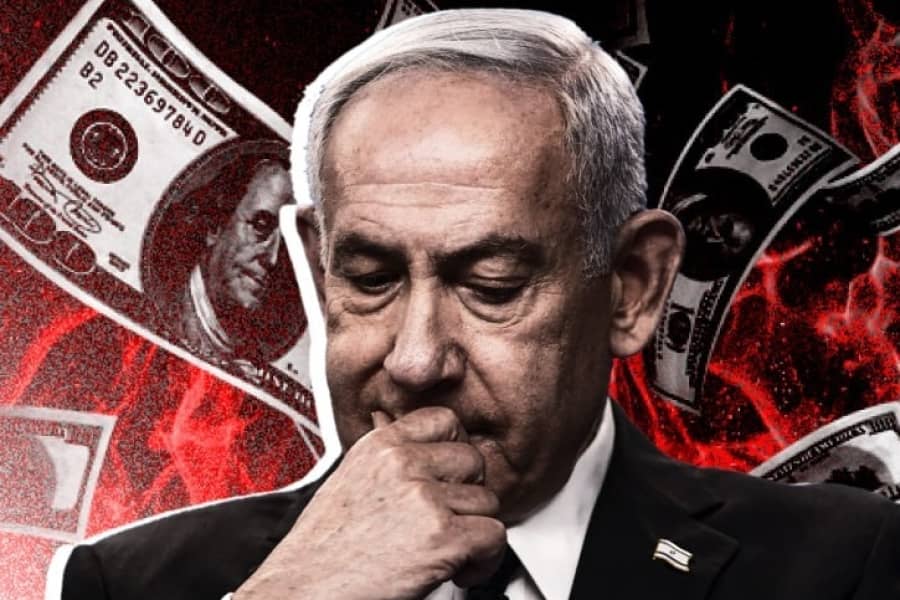

Economic Strain Amidst Multi-Front Conflict
Recent economic reports from Israel have highlighted significant financial strain within the nation's economy. The ongoing multi-front conflict is reportedly a primary factor, with estimates indicating a cost of 57 billion U.S. dollars to date. These developments have prompted discussions regarding the overall stability of the Israeli economy, with some analyses characterizing the situation as potentially leading to severe economic challenges.
The reported financial burden comes as the country navigates sustained military operations, which have necessitated extensive resource allocation and significant adjustments across various sectors. The economic impact extends beyond direct military expenditures, influencing national production, labor markets, and the daily living standards of citizens.
Reported Financial Burden: The $57 Billion Cost
The reported cost of 57 billion dollars is attributed to the sustained military operations across multiple fronts. This substantial figure encompasses various categories of expenditure directly and indirectly linked to the conflict. Direct military spending constitutes a significant portion, covering operational costs, equipment, ammunition, and personnel salaries for both standing forces and mobilized reservists.
Beyond immediate military outlays, the reported cost also includes compensation for businesses and individuals affected by the conflict. This involves financial aid for businesses forced to close or reduce operations, support for evacuated populations, and compensation for damages to property and infrastructure in affected regions. The disruption to economic activity, including reduced tourism, halted construction projects, and decreased consumer spending, also contributes to the broader financial impact.
Such considerable financial outflows place substantial pressure on national reserves and necessitate careful fiscal planning. The government's ability to finance these expenditures relies on a combination of existing reserves, domestic and international borrowing, and potential adjustments to other areas of public spending.
Impact on Production and Labor Market
Economic reports have indicated a decline in national production across several key sectors. A primary factor contributing to this downturn is the extensive mobilization of military reservists. The call-up of hundreds of thousands of individuals has resulted in significant labor shortages in industries vital to the Israeli economy, including technology, construction, and agriculture.
In the high-tech sector, a cornerstone of Israel's economy, the absence of skilled personnel due to military service has reportedly impacted project timelines, innovation, and overall output. Similarly, the construction industry has faced challenges with labor availability, leading to delays and increased costs for ongoing projects. The agricultural sector, particularly in border regions, has also experienced disruptions due to security concerns and a reduced workforce, affecting crop yields and food supply chains.
Businesses across various scales have reported difficulties in maintaining normal operations, leading to reduced output and, in some cases, temporary closures. These disruptions collectively contribute to a contraction in economic activity, impacting gross domestic product (GDP) growth projections.
Challenges to Living Standards
Concurrently with the decline in production, living standards have reportedly experienced a decline. The economic shifts brought about by the conflict have several implications for households. Inflationary pressures, which can be exacerbated by supply chain disruptions and increased government spending, can diminish the purchasing power of wages and savings.
Reduced economic activity and business closures have, in some instances, led to job losses or reduced working hours for individuals not called for reserve duty. This can directly impact household incomes. Furthermore, government measures implemented to support the war effort and provide relief to affected populations may involve adjustments to public services or taxation policies, which can indirectly influence household finances and the availability of social welfare programs.
The psychological and social impacts of prolonged conflict also contribute to a broader sense of instability, which can affect consumer confidence and long-term economic planning by individuals and families.
Military Budget Demands and Fiscal Implications
Amidst the ongoing conflict and its economic repercussions, the military has reportedly requested a record budget. This demand reflects the perceived need for sustained defense capabilities, including the replenishment of equipment, ongoing operational costs, and potential future strategic investments. The scale of the requested budget underscores the intensity and breadth of the current security challenges.
A significant increase in military expenditure would necessitate substantial reallocations within the national budget. Such a shift could potentially affect funding for civilian sectors, including education, healthcare, and infrastructure projects. Decisions regarding fiscal priorities would involve balancing immediate security needs with long-term societal and economic development goals.
Financing a record military budget would likely involve a combination of increased taxation, domestic and international borrowing, and potentially drawing further from national reserves. These measures carry their own economic implications, including potential impacts on national debt levels and the cost of borrowing for future government initiatives.
Broader Economic Outlook and Future Considerations
The confluence of increased defense spending, reduced production across key sectors, and strain on living standards presents a complex economic challenge for Israel. The duration and intensity of the multi-front conflict are critical variables that will continue to shape the economic trajectory.
Governments typically respond to such pressures through a combination of fiscal adjustments, including potential increases in borrowing, reprioritization of expenditures, and seeking international financial support where applicable. The long-term economic outlook will depend on the effectiveness of implemented economic policies, the resilience of key industries, and the resolution of the security situation. Economic analysts continue to monitor these developments closely, assessing their potential for sustained impact on the national economy.