


Emerging Underwater Capabilities Challenge Northern Defenses
A former NATO commander has issued a warning regarding the strategic implications of Russia’s developing naval assets, specifically pointing to new-generation nuclear-powered submarines that are significantly quieter than previous models. According to reports from News Pub, these advanced vessels are increasing pressure on the alliance’s northern defenses as NATO works to secure critical maritime approaches.
The warning highlights a shifting dynamic in the Arctic and North Atlantic regions. The former commander cited President Vladimir Putin’s emerging "new super weapons and super capabilities" that are amassing in these specific geographic areas. This assessment underscores the growing focus on securing the approaches to North America from potential underwater threats.
News Pub reported that the alliance is currently racing to address these developments. The emphasis is placed on the northern flank of NATO’s territory, where the quieter nature of Russian submarines presents a distinct challenge to existing detection and defense protocols. The former commander’s comments bring attention to the specific technological advancements Russia has made in its submarine fleet.
Strategic Implications for Arctic and Atlantic Routes
The focus on the Arctic and North Atlantic approaches is central to the current security assessment. These regions serve as critical pathways between Europe and North America, making them strategically vital for both commercial shipping and military logistics. The former commander’s warning suggests that the quieting of Russian nuclear submarines allows them to operate with greater stealth in these waters, potentially complicating NATO’s ability to monitor and respond to movements.
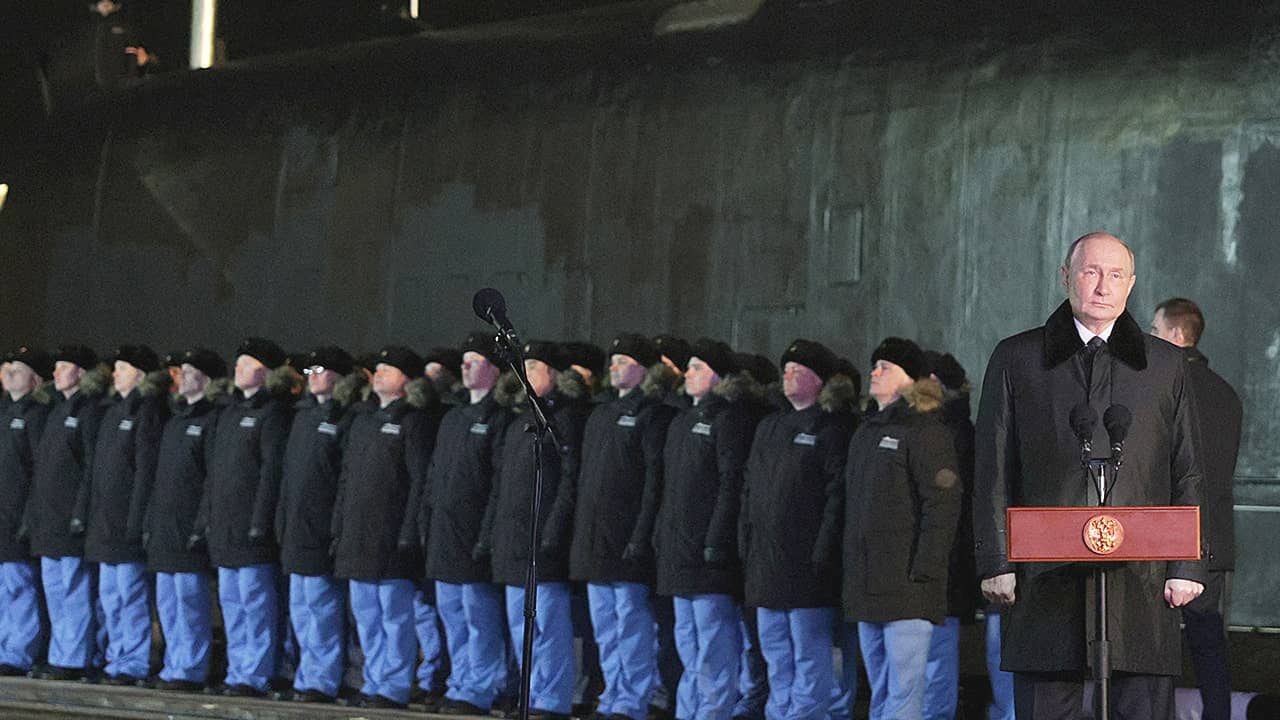
President Vladimir Putin has been associated with the development of these new capabilities. The reference to "super weapons" indicates a level of technological sophistication that is intended to alter the balance of power in the region. The former commander noted that these assets are not merely theoretical but are actively amassing in the specified theaters, thereby creating an immediate operational concern for allied forces.
NATO’s response involves a concerted effort to secure these northern approaches. This involves enhancing surveillance, improving anti-submarine warfare tactics, and potentially deploying additional resources to monitor underwater activity. The race to adapt to this new reality is described as urgent, reflecting the speed at which Russia has integrated these quieter submarines into its strategic posture.
Regional Security Dynamics
The Arctic region has seen increased geopolitical interest in recent years due to melting ice caps and opening shipping lanes. The presence of advanced nuclear submarines in this area adds a layer of complexity to regional security. The former commander’s assessment links the technological advancements directly to the strategic positioning of Russian forces near NATO borders.
North Atlantic approaches remain a traditional focus for NATO, but the specific mention of "northern defenses" suggests a re-evaluation of threat vectors. The quieter submarines can potentially evade traditional sonar nets that have been effective against noisier vessels in the past. This technological gap is what the former commander identifies as the core of the current threat.
Alliance Response and Monitoring Efforts
In response to these warnings, NATO member states are likely reviewing their defense strategies. The former commander’s statement serves as a public acknowledgment of the risk posed by Russian naval modernization. By citing President Putin’s capabilities, the warning emphasizes the state-sponsored nature of these developments and their alignment with broader Russian military objectives.
The alliance’s efforts to secure the approaches to North America are part of a broader deterrence strategy. This includes maintaining a visible presence in the Arctic and North Atlantic to ensure freedom of navigation and to monitor potential hostile activities. The former commander’s comments highlight that the threat is not just theoretical but is manifested in the form of active, quieting submarines operating in close proximity to allied territories.
News Pub’s report indicates that this warning is part of a growing discourse on European security. As Russia continues to develop and deploy these new-generation submarines, NATO must adapt its defensive postures accordingly. The former commander’s assessment provides a clear picture of the challenges ahead: countering stealth technology in one of the world’s most strategically sensitive regions.