

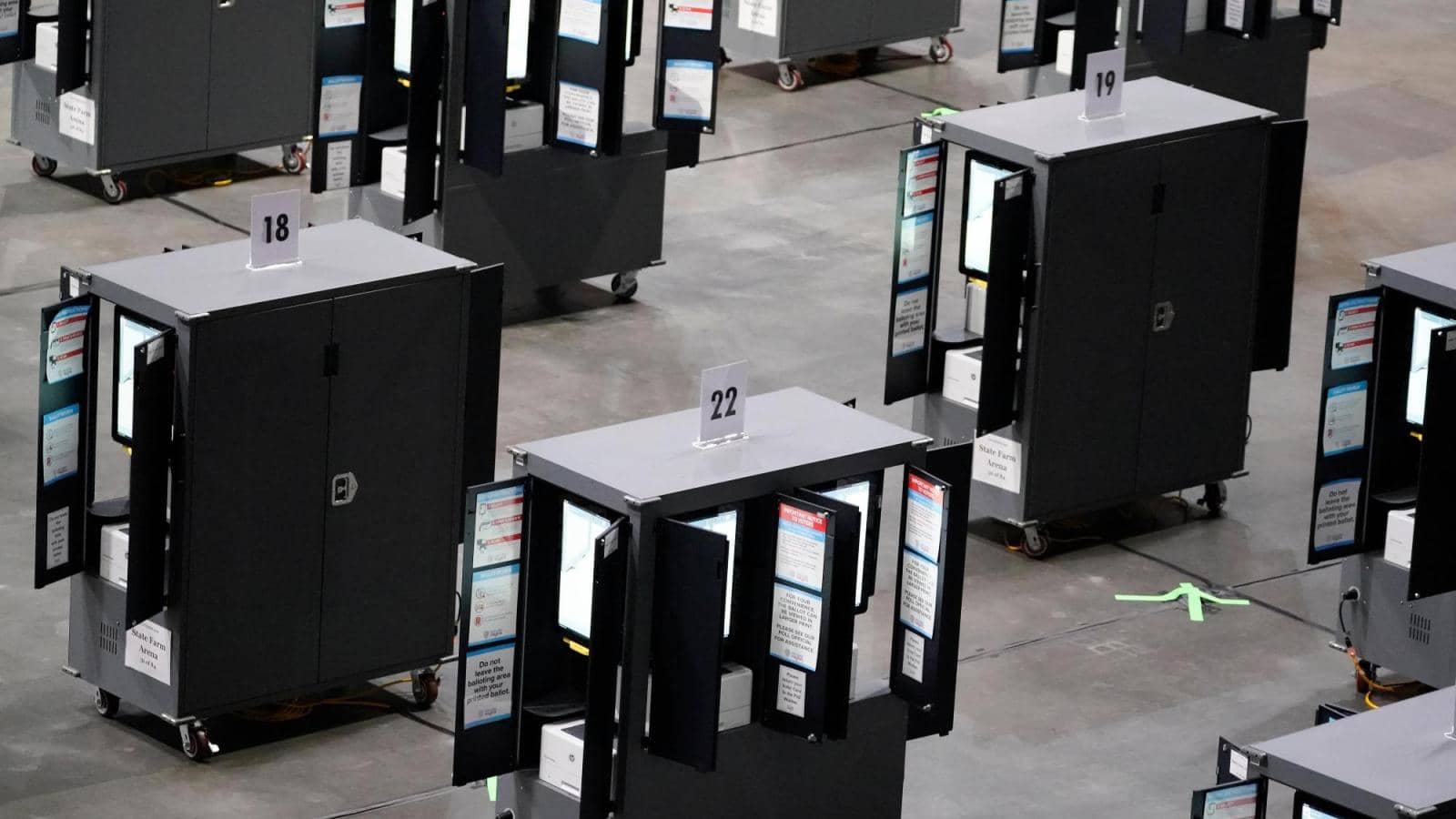

The Enduring Principle of Voter Anonymity
The fundamental principle of secret balloting, a cornerstone of democratic integrity, has long served as an article of faith in United States elections. This centuries-old norm, designed to shield voters from coercion, intimidation, or retribution, ensures that citizens can cast their choices freely and privately. The integrity and privacy of the democratic process are inextricably linked to this guarantee of anonymity, fostering public trust and participation.
In the state of Georgia, however, this deeply ingrained electoral norm is currently undergoing a significant test. The challenge to this decades-old standard stems directly from an identified flaw within the state's voting equipment. This issue, which has been known for some time, is now drawing heightened attention, particularly in the broader context of rapid technological changes impacting election administration across the nation.
Georgia's Equipment Flaw Undermines Anonymity
The discovery and persistence of a specific vulnerability in Georgia's voting machines suggest that the privacy guarantee inherent in the secret ballot may be compromised. This flaw allows for potential breaches in the anonymity that voters expect when they cast their ballots, marking a significant departure from established electoral standards. Such a vulnerability directly undermines the core purpose of the secret ballot: to ensure that individual votes cannot be linked back to specific voters, thereby safeguarding against external pressures.
While the existence of this equipment flaw is not new, its implications are becoming increasingly pronounced as election systems continue to evolve. The challenge to the secret ballot norm in Georgia highlights critical vulnerabilities in the very infrastructure that supports American democracy. Observers note that the reliability and perceived fairness of elections depend heavily on the public's trust in the secrecy of their votes – a trust that is now being openly questioned due to this persistent technical deficiency.
Artificial Intelligence Adds New Layers of Risk
Concerns regarding the integrity of Georgia's voting systems are being intensified by the widespread adoption of artificial intelligence (AI) tools across various sectors, including public infrastructure. The integration of AI into election management and equipment has raised significant alarms among experts and officials tasked with monitoring electoral security. The potential for AI to interact with, or even exploit, known flaws in voting hardware adds a complex and unpredictable layer to an already sensitive issue.
The rapid rise of AI technology has prompted increased scrutiny over how these powerful tools are deployed, particularly in critical systems like voting machines. Critics argue that the current lack of comprehensive oversight regarding AI applications in election equipment could exacerbate existing vulnerabilities. The pervasive nature of AI adoption means that any flaw in the underlying hardware or software of voting systems could be amplified, potentially leading to broader and more systemic security risks that are difficult to detect or mitigate.
Known Vulnerability Persists Amid AI Integration
The flaw in Georgia's voting equipment has been thoroughly documented and known for some time, yet it remains a focal point of concern for electoral security. The persistence of this issue, despite awareness and ongoing discussions, underscores the significant challenges involved in maintaining, securing, and upgrading election infrastructure to meet contemporary threats. As AI tools become increasingly prevalent and sophisticated, the need to address these long-standing technical deficiencies in voting systems becomes even more urgent.
The intersection of old, unaddressed vulnerabilities and new, rapidly advancing technologies is creating a complex and volatile landscape for election administrators. The known flaw in Georgia's systems represents a critical gap that has not been fully closed, leaving the secret ballot vulnerable to potential exploitation. The widespread use of AI further complicates efforts to secure these systems, as the technology itself may introduce novel vectors for error, manipulation, or interference that traditional security measures might not anticipate or counter effectively.
Electoral Trust at Stake Amid Evolving Threats
Officials and experts have consistently pointed out that the combination of known hardware flaws and the emergence of advanced AI technologies creates a unique and unprecedented risk environment for elections. The alarms raised by this convergence strongly suggest that current safeguards and protocols may be insufficient to adequately protect the secret ballot in the face of such rapid technological change. The situation unfolding in Georgia, therefore, serves as a critical case study for how traditional electoral norms and security frameworks must adapt to these new technological realities.
As the state of Georgia continues to navigate these complex challenges, the potential impact on the public's confidence in the electoral process remains a paramount consideration. The testing of the secret ballot norm in Georgia is not merely a technical issue concerning hardware or software; it is fundamentally a test of faith in the democratic system itself. The outcome of this challenge will undoubtedly have significant implications for how election security is approached, funded, and implemented in other jurisdictions across the United States and beyond, particularly those facing similar technological shifts and the imperative to uphold voter privacy.