

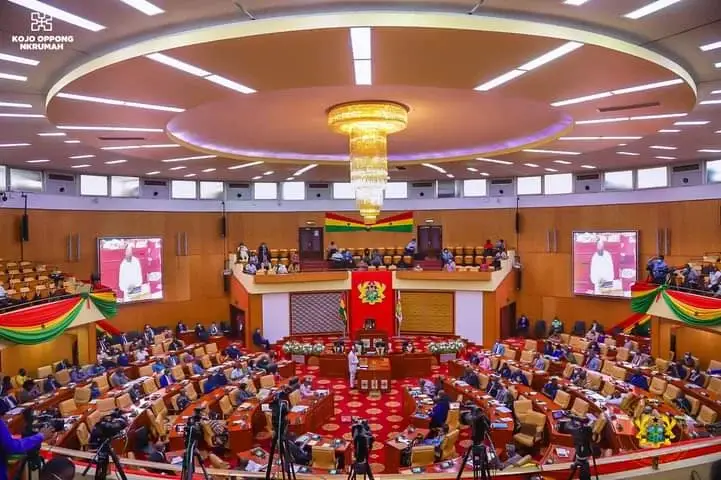

Speaker Bagbin Initiates Special Parliamentary Sitting
Ghana's Parliament is set to reconvene for a special sitting on Monday, August 24, 2026, following a directive issued by Speaker Alban Bagbin. This recall from recess mandates the legislative body to return to Accra to address a range of urgent matters deemed critical for immediate parliamentary attention. The Speaker's decision to initiate a special session underscores his constitutional authority to ensure the continuous and efficient functioning of the legislative branch, particularly when pressing national issues arise that cannot await the next scheduled sitting.
According to official announcements disseminated via Ghana News Online, the special session is slated to operate continuously for five days, commencing on Monday, August 24, and concluding on Friday, August 28. During this concentrated period, all members of parliament are expected to be present and actively engaged in the legislative processes outlined in the recall notice. This specific timeframe highlights the focused intent of the session, allowing for dedicated attention to the identified urgent business without the distractions or broader agenda typical of a regular parliamentary session.
The mechanism of a parliamentary recall is a significant procedural tool, enabling the Speaker to summon legislators back to the House outside of their regular sittings or scheduled recesses. This action is typically reserved for circumstances where matters of national importance require swift legislative deliberation and approval. By exercising this power, Speaker Bagbin has formally signaled the necessity for elected representatives to prioritize and expedite specific governmental functions, ensuring that critical state operations are not hampered by legislative delays.
Addressing Critical National Appointments
The primary focus of this special parliamentary session is the consideration of urgent parliamentary business, with a particular emphasis on various nominations. These nominations represent a standard yet profoundly critical aspect of governmental operations, as they pertain to appointments for key positions across the public sector. Such roles often include leadership within parliamentary committees, independent commissions tasked with vital oversight, or other statutory bodies that require formal legislative approval to become fully functional.
The inclusion of these nominations on the special session's agenda indicates a deliberate effort by the government and Parliament to advance essential administrative and structural appointments. Delays in confirming these nominees can have significant repercussions, potentially impeding the effective operation of various state institutions and the implementation of government policies. The parliamentary process for confirmation typically involves the presentation of nominees by relevant executive authorities, followed by rigorous debates among members of the House, and ultimately, voting procedures to secure their confirmation.
Scope of Urgent Legislative Matters
Beyond the immediate priority of nominations, the Speaker's recall explicitly cites a broader category of "urgent parliamentary business" as the overarching justification for the early return of legislators. In the context of Ghana's legislative framework, this designation can encompass a diverse array of activities. These might include, but are not limited to, the swift passage of time-sensitive bills that address immediate national challenges, the review and approval of executive actions that require legislative oversight, or the deliberation on emerging national issues that necessitate statutory intervention or policy adjustments.
While the Speaker's office has not yet released an exhaustive list detailing every item categorized as urgent business, the very designation of "urgent" implies that these matters are considered imperative for immediate legislative action. This prioritization ensures that these critical issues are addressed promptly, rather than being deferred to a subsequent regular session, which could potentially lead to further delays in governance or public service delivery.
Maintaining Legislative Efficiency and State Function
The reconvening of Parliament on August 24, 2026, effectively marks a temporary but crucial suspension of any ongoing parliamentary recess. By clearly defining the operational window from Monday, August 24, through Friday, August 28, Speaker Bagbin has established a precise and concentrated timeframe within which the designated special business is expected to be completed. This structured approach is designed to maximize legislative output during the five-day period.
This focused schedule is instrumental in allowing parliamentarians to efficiently handle the urgent nominations and other critical legislative matters. It serves as a proactive measure to prevent these essential items from accumulating and creating a backlog that could otherwise spill over into subsequent parliamentary sessions. Such delays, if unchecked, have the potential to disrupt governmental operations, postpone key appointments, and ultimately affect the delivery of public services that rely on timely parliamentary approval.
Observers of Ghana's political landscape recognize that parliamentary recalls are indispensable procedural tools employed to uphold the efficiency and responsiveness of the legislative branch. By strategically utilizing this recall mechanism, the Speaker plays a pivotal role in ensuring that the critical functions of the state are addressed with the necessary promptness, thereby reflecting and responding to the operational needs and exigencies of the Ghanaian government during this specific period.