


Oil Prices Surge Following Military Strikes
Global financial markets reacted sharply to escalating geopolitical tensions, particularly following United States attacks on Iranian rocket launchers. This military action directly triggered a significant increase in Brent crude oil prices, a key international benchmark for oil. The immediate consequence was widespread instability across global stock indices, with major markets such as the Hang Seng in Hong Kong and the S&P 500 in the United States recording notable fluctuations, reflecting investor anxiety.
The escalation of hostilities between the United States and Iran has created an intensely volatile environment for international traders. This uncertainty was palpable in currency markets, where traders were observed monitoring screens closely as the Korea Composite Stock Price Index (KOSPI) and foreign exchange rates between the U.S. dollar and the South Korean won experienced rapid shifts in response to the unfolding situation. The interconnectedness of global finance means that military actions in one region can send ripple effects across continents, impacting investor confidence and market stability.
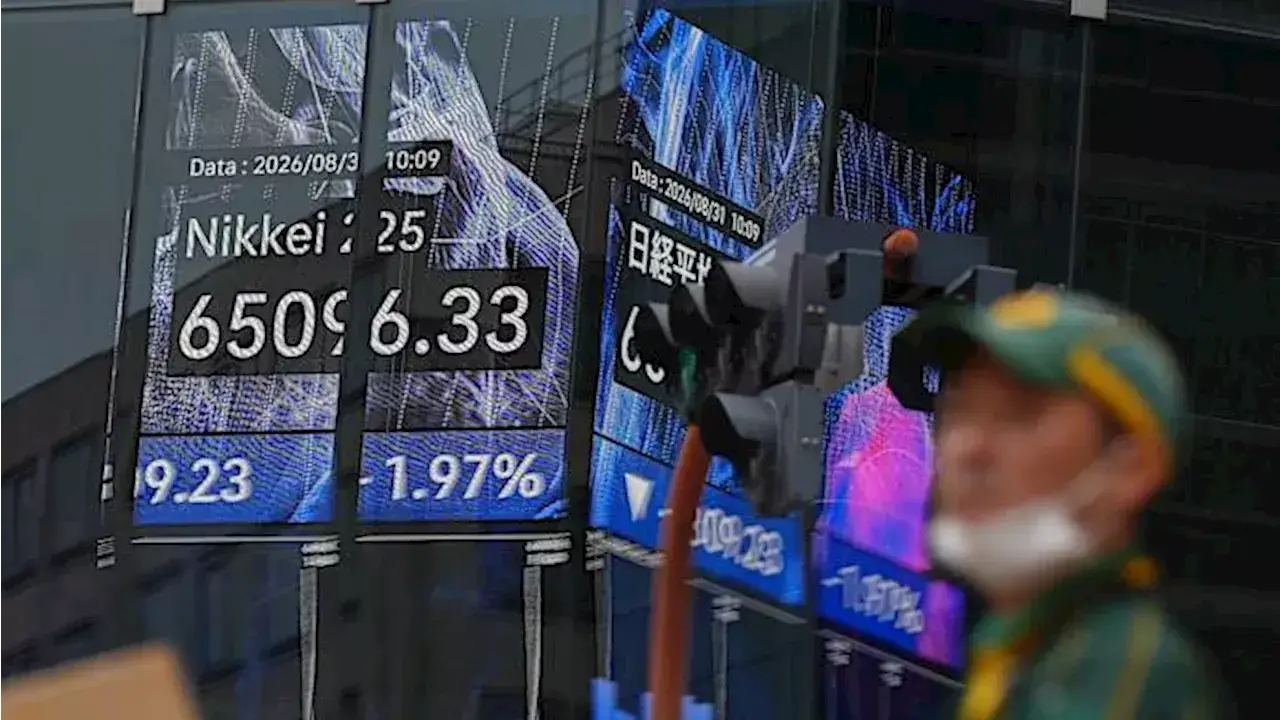
The widespread attention to these market movements was visually documented in late August and early September 2026, with images showing individuals walking past electronic stock boards displaying Japan's Nikkei index at securities firms in Tokyo. These scenes underscore how investors globally are reacting to the geopolitical developments, adjusting portfolios and strategies in anticipation of further changes and potential economic fallout.
UK Households Grapple with Rising Energy Costs
In the United Kingdom, the intensifying conflict has translated into direct and tangible economic repercussions for households. Britons are now facing what analysts describe as a "risk premium" for energy supplies. This premium is an additional cost embedded in energy prices, reflecting the increased perceived risk to supply chains and the overall market volatility stemming from the escalating war between the United States and Israel against Iran, which impacts global oil and gas markets.
Further exacerbating these pressures, Ofgem, the independent energy regulator responsible for England, Scotland, and Wales, announced a 4 percent increase in its energy price caps. These caps set the maximum amount suppliers can charge for each unit of gas and electricity, meaning the regulatory adjustment directly contributes to rising costs for millions of consumers. This comes at a time when households are already contending with the broader economic impacts of global instability, making essential utilities more expensive and adding to the cost of living burden.
Personal Strategies Amid Price Shocks
The impact of these financial pressures is evident at the individual level, prompting some consumers to adopt proactive strategies to mitigate rising expenses. Andrew, a 70-year-old retiree from Norwich in eastern England, had enrolled months earlier in a fixed-rate energy plan for 18 months. His decision was a calculated move, reflecting a foresight into potential market disruptions and the understanding that geopolitical events often translate into domestic price shocks.
"I guess I saw this coming," Andrew told Al Jazeera, referencing lessons learned from previous periods of conflict and explaining his decision to lock in rates ahead of time. His experience highlights how personal financial planning is increasingly influenced by distant geopolitical events and the necessity for households to anticipate and prepare for economic volatility.
Geopolitical Tensions and Economic Disparity
The intersection of military conflict and economic policy has drawn significant attention from financial analysts, policymakers, and the public alike. The current strain on households, marked by increasing petrol prices and climbing energy costs, is not an isolated phenomenon but rather a recurring challenge. Activists have previously protested against the rising cost of living in London, with images from October 2022 showing individuals burning bills in protest at Kings Cross, underscoring a persistent public frustration with escalating expenses and the feeling of economic squeeze.
Amidst these challenges for ordinary citizens, reports have highlighted a stark economic disparity. While consumers grapple with higher utility bills and fuel costs, major oil giants such as Chevron and Exxon have reportedly seen their profits soar. This phenomenon is often attributed to the very same geopolitical tensions that drive up crude oil prices, allowing companies with significant production and refining capacities to capitalize on the increased market value of energy resources, leading to substantial financial gains.
The ongoing volatility in global markets and the specific rise in UK energy costs serve as a stark illustration of the deeply interconnected nature of international security events and local economic conditions. As tensions persist in critical energy-producing regions, financial indicators continue to reflect the profound uncertainty surrounding the region's stability and its far-reaching economic consequences, impacting everything from stock market performance to household budgets.