


Precious Metals Retreat Amid Dollar Strength
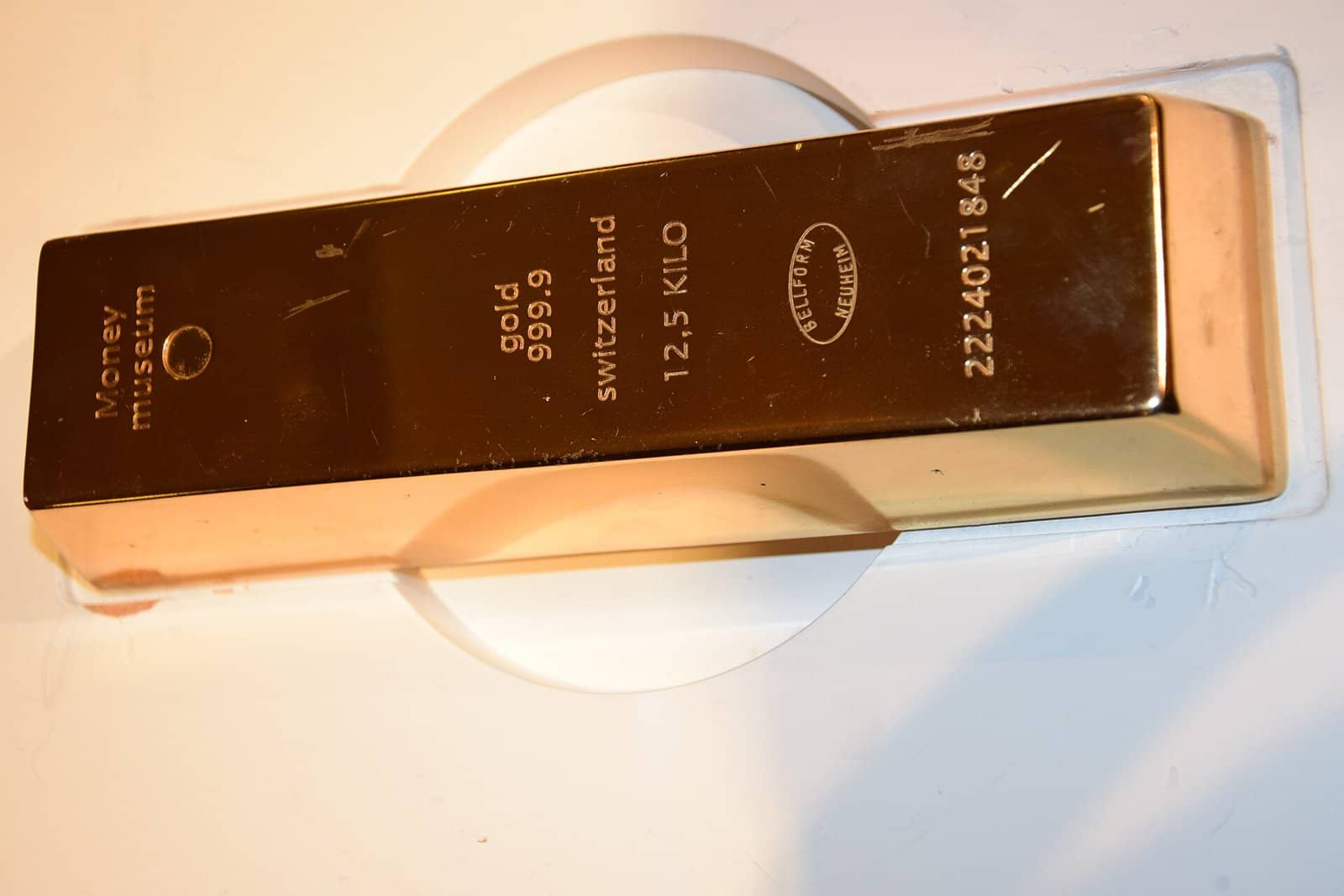
Gold prices fell below the $4,400 threshold on Tuesday, September 1, 2026, marking a sharp decline in the value of the traditional safe-haven asset. Simultaneously, silver prices tumbled, reflecting broader weakness across the precious metals sector. The downward pressure on both commodities was primarily attributed to increased bets on interest rate hikes and growing expectations of Federal Reserve tightening policies.
Market data indicated that a firmer U.S. dollar played a critical role in the depreciation of gold and silver. As the dollar strengthened, the cost of purchasing precious metals in other currencies rose, reducing demand and driving prices lower. Concurrently, rising Treasury yields further weighed on metal prices, as higher yields on interest-bearing assets often reduce the relative appeal of non-yielding commodities like gold.
The Rio Times reported that comments made by Federal Reserve Chair Kevin Warsh appeared to influence market sentiment, fueling speculation about future monetary policy adjustments. These remarks contributed to the rapid shift in investor positioning away from precious metals toward dollar-denominated assets.
Market Data and Currency Movements
The decline in precious metals occurred against a backdrop of significant volatility in global currency markets and equity indices. In Latin America, where commodity prices are closely watched, the Brazilian IBOVESPA index rose 2.75% to close at 184,656.60. Conversely, Chile’s IPSA index fell 1.14% to 11,315.26. Mexico’s IPC MEX index gained 0.50% to reach 64,838.57, while Argentina’s MERVAL index climbed 1.43% to 3,093,014.
Currency fluctuations highlighted the strength of the U.S. dollar relative to regional peers. The USD/BRL pair dropped 0.99% to 5.10, and the USD/MXN fell 0.13% to 16.97. In contrast, the USD/CLP rose 0.08% to 938.14, and the USD/COP decreased 1.69% to 3,154. Other regional currencies also saw movement, with the USD/ARS falling 0.15% to 1,511 and the USD/PEN dropping 0.06% to 3.36. The USD/UYU increased 1.21% to 40.24, while the USD/PYG rose 1.38% to 5,885.
In subsequent trading data, currency pairs showed further adjustments. The USD/BRL moved slightly higher by 0.01% to 5.16, while the USD/MXN declined 0.24% to 17.06. The USD/CLP rose 0.04% to 913.98, and the USD/COP increased 0.03% to 3,140. The USD/PEN fell 0.66% to 3.36, and the USD/ARS dropped 0.10% to 1,493. The USD/UYU climbed 1.24% to 40.27, while the USD/PYG rose 1.68% to 5,939. The USD/BOB decreased 0.76% to 11.64, and the USD/DOP increased 1.25% to 58.34. The USD/CRC rose 0.89% to 445.92, the USD/GTQ jumped 2.21% to 7.62, and the USD/HNL increased 1.45% to 26.79.
Commodity and Equity Performance
While gold and silver faced headwinds, other commodities displayed mixed performance. Brent crude oil fell 0.03% to $88.88, and WTI crude dropped 0.11% to $83.11. Iron ore remained unchanged at 161.91, while copper rose 0.03% to 6.61. Agricultural commodities saw varied movements; soy prices surged 3.20% to 1,184, and corn jumped 10.02% to 480.50. Wheat increased 3.93% to 655.00, whereas coffee fell 5.55% to 317.25. Sugar declined 1.79% to 16.43, and orange juice dropped 0.47% to 138.55. Cotton rose 2.33% to 85.03, and cocoa climbed 3.18% to 5,719. Livestock prices also shifted, with beef falling 3.93% to 223.60 and cattle dropping 3.16% to 339.10.
Equity markets in Brazil reflected broader economic activity. Petrobras (PETR4) fell 0.05% to 41.64, while Vale (VALE3) rose 0.83% to 72.97. Itau Unibanco (ITUB4) dropped 1.03% to 38.60, and Bradesco (BBDC4) increased 0.36% to 16.85. Ambev (ABEV3) fell 0.80% to 14.89, and Banco do Brasil (BBAS3) rose 0.47% to 19.37. Other notable movers included Suzano (SUZB3), which gained 2.35% to 41.33, and Raia Drogasil (RAIZ4), which remained flat at 0.25.
The drop in gold prices below $4,400 underscores the immediate impact of monetary policy expectations on asset allocation. With Treasury yields rising and the dollar firming, investors shifted away from precious metals, citing the opportunity cost of holding non-yielding assets. The comments by Fed Chair Kevin Warsh served as a catalyst for these rate-hike bets, reinforcing the view that the Federal Reserve may pursue tighter monetary conditions in the near term.
Global Index and Currency Context
The performance of global indices further contextualized the market environment. Colombia’s COLCAP index rose 0.72% to 2,488.06, and Peru’s BVL PERÚ index increased 0.10% to 59,515.48. In the Caribbean and Central America, the USD/DOP rose 0.41% to 58.50, the USD/CRC increased 1.89% to 445.58, the USD/GTQ jumped 2.07% to 7.63, the USD/HNL rose 1.45% to 26.83, and the USD/NIO increased 0.20% to 36.62. The USD/PAB remained stable at 1.00 with no change, as did the USD/BZD at 2.00. The USD/JMD held at 157.28 without movement, and the USD/TTD rose 0.93% to 6.66.
The EUR/BRL pair declined 1.62% to 5.92, reflecting the relative strength of the dollar against the euro as well. Lithium prices rose 1.47% to 75.20, indicating continued demand in the battery and technology sectors despite the weakness in precious metals. The divergence between rising Treasury yields and falling gold prices highlights the complex interplay between monetary policy expectations and commodity valuations in the current economic landscape.