


Icelanders Reject EU Talks in Close Referendum
Icelanders voted Saturday to reject a government proposal to resume European Union accession negotiations, delivering a narrow but definitive verdict against rejoining the bloc. The national broadcaster RÚV called the result early Sunday, reporting that the "No" campaign secured 52.5 percent of the vote, while the "Yes" side received 47.5 percent.
A Tense Election Night Unfolds
The referendum took place on August 29, 2026, in a tightly contested race that saw the lead change hands repeatedly throughout the night. The atmosphere was described as a "knife-edge" vote, with the nation watching intently as results trickled in. Early vote counts had briefly shown the "Yes" camp ahead, sparking initial optimism among proponents of closer ties with Brussels. However, this lead proved fleeting as the balance tipped decisively toward the opposition.
Rural Vote Proves Decisive
The shift in momentum occurred as results arrived from outside the capital city of Reykjavik. Rural constituencies played a critical role in swinging the final verdict, according to reports from the national broadcaster. These areas, often more reliant on the fishing industry and traditionally wary of EU regulations, ultimately solidified the "No" campaign's majority. The margin of victory, while narrow, ended speculation about a potential shift in Iceland's relationship with Brussels after the negotiations were frozen nearly a decade ago, confirming the enduring influence of regional sentiment on national policy.
Fishing Sovereignty: The Unwavering Priority
Fears over fishing sovereignty emerged as a dominant factor driving the "No" vote. For Iceland, control over its rich fishing grounds is not merely an economic matter; it is a fundamental pillar of national identity and sovereignty, fiercely protected since the nation's independence. The prospect of integrating into the EU's Common Fisheries Policy, which would entail ceding some control over these vital resources, proved to be a significant deterrent for a majority of voters.
Economic Cornerstone and National Identity
The fishing industry is a cornerstone of the Icelandic economy, providing livelihoods for a significant portion of the population and contributing substantially to the nation's GDP. The perceived threat to this vital sector, and the potential loss of independent management over fish stocks, resonated deeply with voters, particularly in coastal and rural communities. This deep-seated concern about maintaining full national control over natural resources ultimately overshadowed other considerations in the referendum.
Geopolitical Currents Fail to Sway Core Concerns
Despite geopolitical pressures linked to United States President Donald Trump's threats concerning Greenland, Icelandic voters prioritized control over their natural resources. The strategic importance of the North Atlantic and the Arctic region had been highlighted by these external dynamics, leading some to speculate that a desire for greater security and alignment with a larger bloc might influence the vote. However, the referendum result clearly demonstrates that these broader geopolitical currents did not override the deeply entrenched concerns about national sovereignty and the future of Iceland's fishing industry.
Brussels' Enlargement Strategy Faces Another Hurdle
The result deals a blow to Brussels' strategic plans for expansion, particularly in the strategically important northern European and Arctic regions. The EU accession negotiations had been suspended since 2013, leaving Iceland in a state of political limbo regarding its potential membership. The rejection signals that sovereignty issues remained more potent than external geopolitical dynamics in shaping public opinion and that the path to EU membership for Iceland remains firmly closed for the foreseeable future.
A Decade of Stalled Accession Negotiations
The formal suspension of accession talks in 2013 marked a period of impasse between Iceland and the European Union. These negotiations, which had begun with some optimism, ultimately faltered over fundamental disagreements, primarily concerning fisheries management and agricultural policy. The decade-long suspension meant that the prospect of EU membership had been largely dormant, only to be revived by the government's proposal to resume talks, a move that has now been definitively rejected by the electorate.
Political Implications for Prime Minister Frostadóttir
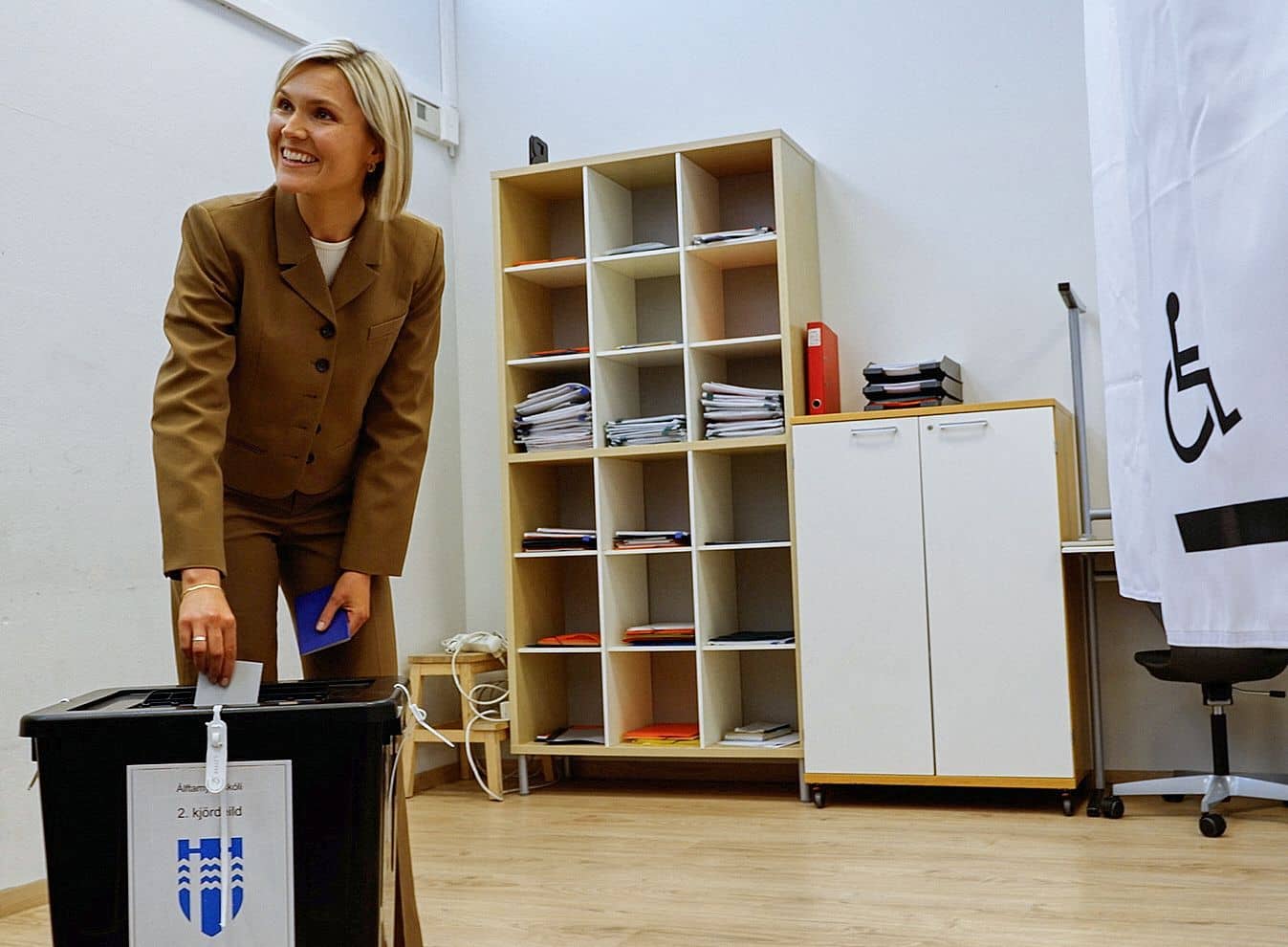
Icelandic Prime Minister Kristrún Frostadóttir, whose government had put forward the proposal to resume talks, cast her ballot at a polling station in Reykjavik on August 29, 2026. The government's initiative to revisit accession talks had faced significant scrutiny, particularly regarding the implications for Iceland's fishing industry, a sector central to the national economy and identity. The outcome confirms that rural voters held substantial influence over the final tally, offsetting earlier gains by the "Yes" camp in urban centers.
The Enduring Power of Fishing Rights in Icelandic Politics
The 52.5 percent to 47.5 percent split reflects a deeply divided electorate, with the narrow margin indicating persistent support for closer ties with the EU among nearly half the population. Nevertheless, the rejection halts any immediate progress toward membership. With negotiations suspended since 2013 and now explicitly rejected by referendum, the path to accession remains closed under current political conditions. The result underscores the enduring sensitivity of fishing rights in Icelandic politics, which continues to outweigh other diplomatic considerations and define the nation's stance on European integration.