

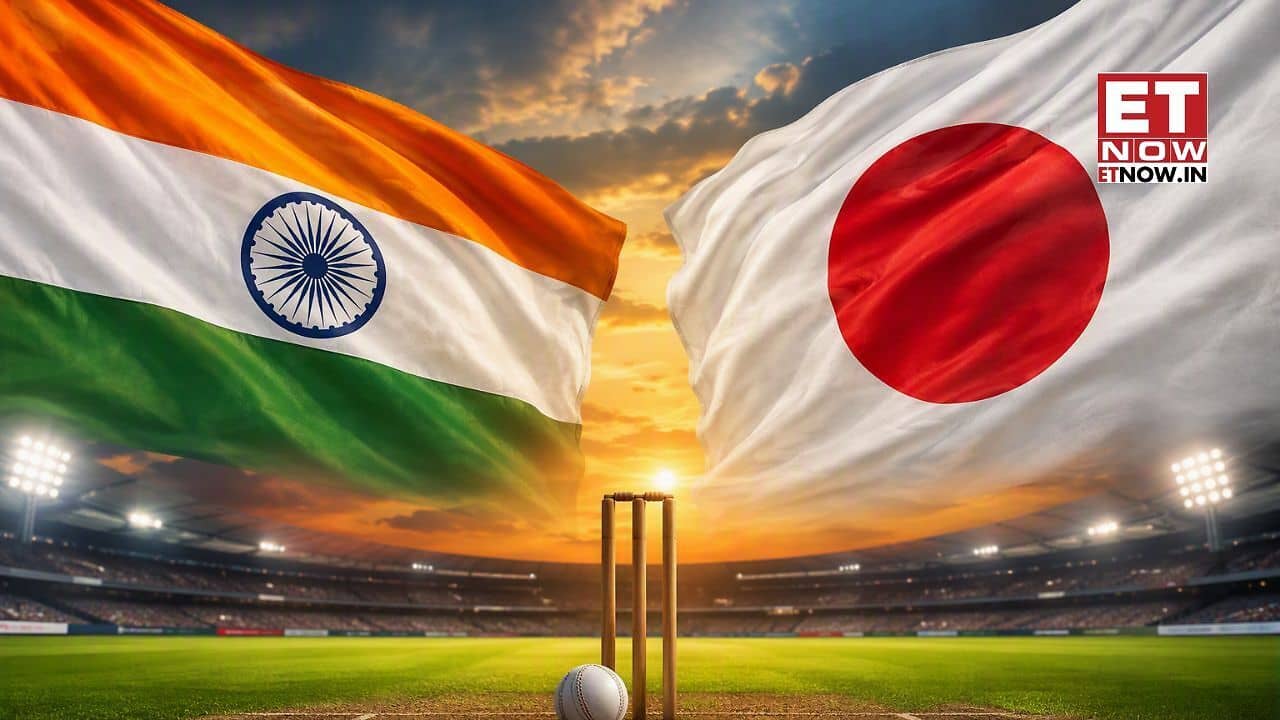

Marking Seven Decades of Diplomatic Ties
The historic first international cricket encounter between India and Japan has taken place, serving as a central event in the celebration of 75 years of friendship between the two nations. This landmark clash was organized to commemorate the long-standing diplomatic relationship that has developed over seven decades, utilizing the sport of cricket as a medium for cultural and sporting exchange.
The match represents a significant milestone in the bilateral relations between New Delhi and Tokyo. By bringing together national teams from both countries, the event highlights the deepening ties that have evolved since the establishment of formal diplomatic links. The timing of the encounter aligns with the broader commemoration of this silver jubilee milestone, reinforcing the role of sports diplomacy in strengthening international bonds.
Strategic Preparation for Asian Games
Beyond the ceremonial importance of the anniversary, the match serves a functional purpose in athletic preparation. The encounter is designed to support the training and readiness of the participating teams for upcoming competitions, specifically the Asian Games. High-level international fixtures provide crucial experience for athletes aiming to qualify or perform well on the continental stage.
For the Japanese squad, facing an ICC Full Member offers a unique competitive environment that simulates high-pressure scenarios. Such matches are integral to the development of players who need to adapt to different playing conditions and opposition styles ahead of major multi-sport events. The Indian team, with its vast experience in international cricket, provides a rigorous test for the Japanese side.
Showcasing Japan's Emerging Cricket Program
A primary objective of this fixture is to showcase Japan's emerging cricket team on an international platform. Competing against an ICC Full Member like India allows the Japanese players to demonstrate their skills and progress in the sport at a high level. This exposure is critical for a nation where cricket is still growing its footprint compared to traditional sports.
The presence of an ICC Full Member elevates the status of the match, providing Japan with valuable data on performance metrics and tactical execution against top-tier opposition. The outcome of the game contributes to the global growth of cricket by highlighting the sport's expansion into new markets in Asia. It demonstrates the increasing accessibility of international cricket to developing nations and their ability to compete in organized fixtures.
Advancing Global Cricket Growth
The event is viewed as a contribution to the broader expansion of cricket worldwide. By facilitating this historic first match, organizers aim to promote the sport's visibility in regions where it may not have previously held significant prominence. The collaboration between India and Japan signals a commitment to diversifying the global cricketing landscape.
The match underscores the International Cricket Council's efforts to include more nations in its ecosystem. For Japan, this encounter is a step toward establishing itself as a competitive force in Asian cricket. For India, it represents an opportunity to engage with the growing cricket community and support the sport's development across different continents.
Implications for Future Encounters
The success of this inaugural match may pave the way for future fixtures between the two nations. Regular bilateral series can help stabilize the growth of cricket in Japan while providing India with additional international opportunities. The focus remains on the immediate goals of celebrating diplomatic history and preparing for regional competitions.
As cricket continues to gain traction globally, events like this serve as benchmarks for progress. The historic nature of the India-Japan clash lies not only in its result but in its role as a catalyst for ongoing sporting cooperation and the continued expansion of the game into new territories.