

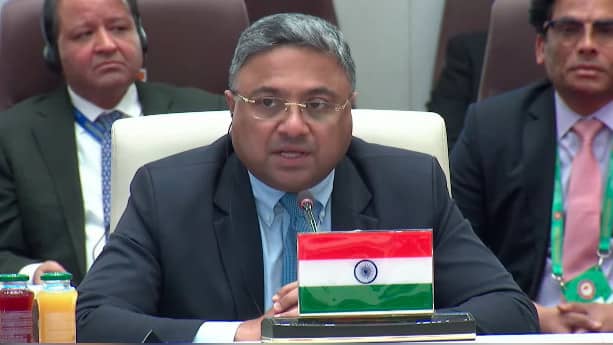

India Highlights Multilateral Platforms at Bishkek Summit
Sibi George, the Deputy Foreign Minister of India, addressed the significance of international and regional organizations during a diplomatic gathering in Bishkek, Kyrgyzstan. Speaking at the SCO Plus meeting, George emphasized the critical role these platforms play in addressing complex global challenges.
The remarks were delivered as part of broader discussions among member states regarding geopolitical stability and cooperative frameworks. George’s comments focused on the necessity of strengthening the operational capacity of bodies like the Shanghai Cooperation Organization (SCO) and the United Nations to manage international disputes and security issues effectively.
The SCO Plus meeting served as a venue for these diplomatic exchanges, bringing together representatives from various nations to discuss shared security concerns and regional cooperation. The inclusion of India in these high-level talks underscores the expanding scope of the organization’s engagement with major global powers.
SCO Members Condemn Actions Against Iran
In a separate development during the summit, member states of the Shanghai Cooperation Organization issued a joint stance regarding recent tensions involving Iran. According to reports from the Bishkek summit, the SCO condemned attacks directed at Iran and also denounced the imposition of sanctions against the country.
The condemnation reflects a unified position among the participating nations regarding the treatment of Iran within the broader geopolitical landscape. The SCO’s statement addressed both the physical security threats faced by Iran and the economic pressures exerted through international sanctions regimes.
Regional Implications of the Summit Statements
The dual focus on multilateral institutional strength and specific regional condemnations marked the key outcomes of the Bishkek gathering. The summit provided a platform for India to articulate its foreign policy priorities while simultaneously allowing SCO members to present a consolidated view on Iran-related issues.
Observers note that the timing of these statements coincides with heightened diplomatic activity in Central Asia. The presence of high-ranking officials from India, including Deputy Foreign Minister George, indicates the growing strategic interest of New Delhi in the security architectures of the region.
Diplomatic Context of the Bishkek Gathering
The SCO Plus meeting in Bishkek brought together diplomats and government officials to discuss the evolving security environment. The discussions highlighted the organization’s role as a forum for dialogue among diverse political entities, ranging from Central Asian republics to major Asian powers.
India’s participation in these deliberations aligns with its broader foreign policy objectives of engaging with regional organizations to foster economic and security cooperation. Deputy Foreign Minister George’s emphasis on the UN and SCO suggests New Delhi’s view that these institutions remain vital for maintaining international order.
The condemnation of attacks and sanctions against Iran by the SCO members further illustrates the organization’s willingness to address specific geopolitical flashpoints. The statement serves as a diplomatic signal regarding the perceived legitimacy of actions taken against Iran, though it does not specify which particular attacks or sanctions were targeted.
Continued Engagement in Regional Security
The events in Bishkek demonstrate the SCO’s continued relevance as a platform for addressing both broad institutional challenges and specific regional disputes. The simultaneous emphasis on strengthening international platforms and condemning external pressures on Iran highlights the complex nature of current diplomatic engagements.
As global powers navigate shifting alliances, forums like the SCO provide mechanisms for coordination among member states. The statements made in Bishkek will likely influence future diplomatic interactions between India, Central Asian nations, and other stakeholders involved in regional security dynamics.