



Strategic Objectives Drive Diplomatic Push
New Delhi, June 24 (SocialNews.XYZ) — According to a recent report published by Social News XYZ on June 24, 2026, India has articulated clear intentions to establish and fortify partnerships with nations across the European continent. The primary motivations cited for this diplomatic push include advancing specific national interests in trade, investment opportunities, defence collaboration, and initiatives related to the green transition.
The report highlights a nuanced approach where high-level political engagement complements broader economic frameworks. While many significant economic decisions are taken at the institutional level of the European Union (EU), the source notes that strong bilateral relationships with individual member states continue to hold considerable importance for New Delhi. This dual-track strategy suggests an understanding that while supranational agreements set the baseline, direct state-to-state interactions provide necessary political goodwill and operational flexibility.
The timing of these diplomatic efforts coincides with a period described as one where ties between India and the EU have gained momentum. This acceleration is attributed to specific milestones achieved in recent months, particularly following the conclusion of negotiations on a comprehensive bilateral trade agreement. Additionally, the signing of a dedicated Security and Defence Partnership has been identified by the report as another catalyst strengthening the overall relationship.
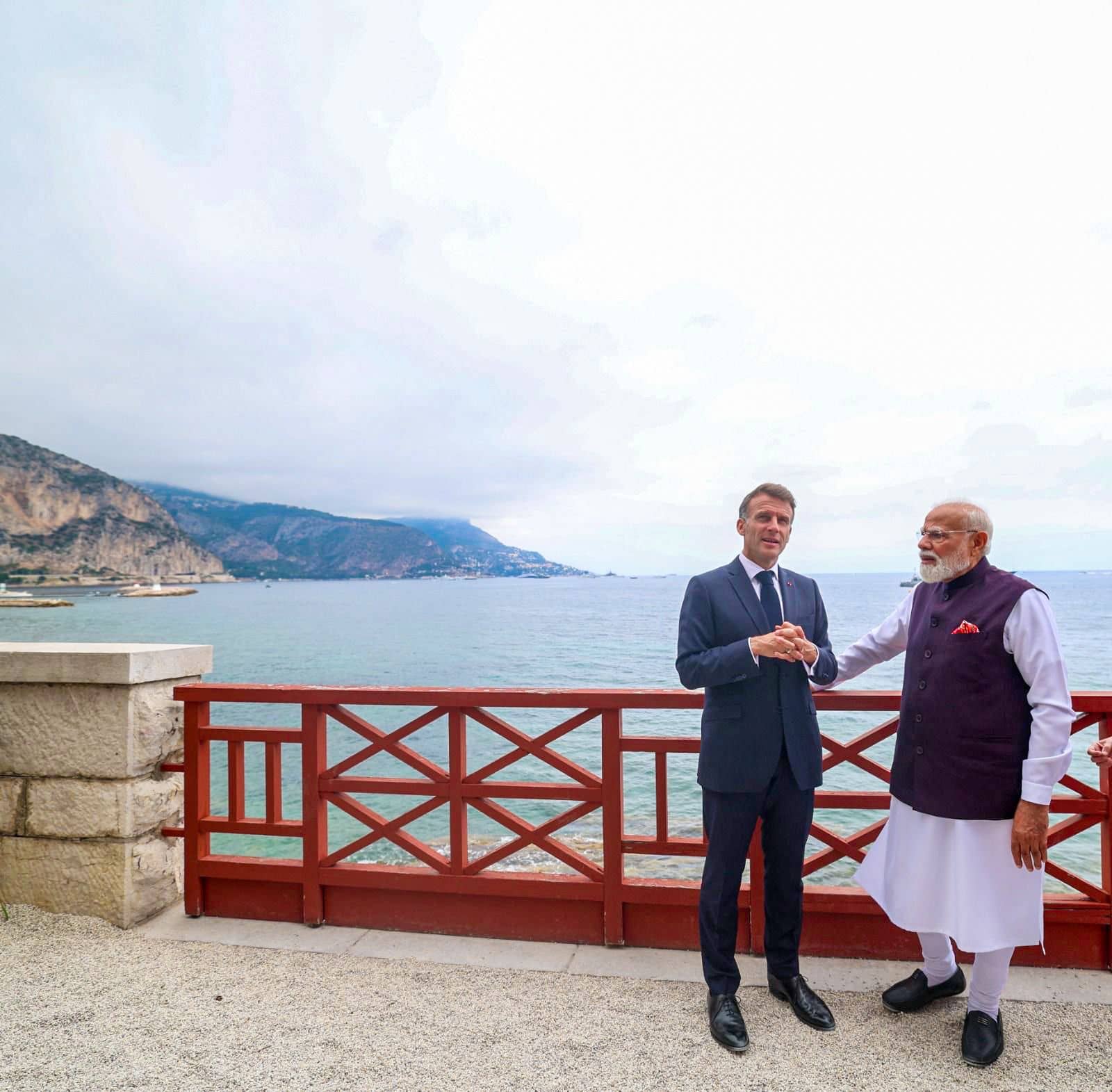
Prime Minister Narendra Modi’s itinerary reflects this strategic emphasis on direct engagement with individual European capitals rather than solely relying on EU summits. The visit to France and Slovakia is noted in the report as the latest installment in a broader series of high-level engagements between India and Europe, signaling a sustained effort to deepen these connections.
Recent High-Level Engagements Across Multiple Capitals
The diplomatic calendar for Prime Minister Modi has been dense with visits aimed at solidifying these new partnerships. The report details specific movements that have taken place in the months leading up to June 2026, illustrating a deliberate geographic spread of Indian diplomacy across Western Europe.
In May alone, PM Modi travelled to four distinct nations: the Netherlands, Sweden, Norway, and Italy. These visits were part of an ongoing series intended to broaden India's footprint within the European political landscape. The report characterizes these trips not as isolated events but as components of a continuous effort to maintain visibility and build consensus among diverse national governments.
The specific inclusion of countries like Sweden and Norway, which are non-EU members, alongside major economic powers such as France and Italy, indicates an intent to engage with the entire European geopolitical structure. The visit to Slovakia is specifically highlighted in connection with the recent high-level engagements mentioned earlier in the report text.
According to the article text provided by Social News XYZ, these visits serve a specific purpose: they are designed to showcase that political goodwill and strong bilateral relationships remain central to India's foreign policy priorities regarding Europe. The report suggests that despite the efficiency of EU-wide negotiations, individual state interactions provide unique value.
Trade Agreements and Defence Cooperation
The momentum in Indo-European relations is explicitly linked to concrete outcomes from recent diplomatic work. The conclusion of negotiations on a bilateral trade agreement serves as a foundational element for the current push toward deeper integration. This development allows India to secure better market access while potentially offering European firms new avenues for investment.
Simultaneously, the security dimension has received formal attention through the signing of a dedicated Security and Defence Partnership between India and the EU. The report presents this agreement as a significant structural addition to the relationship framework. By establishing a partnership specifically focused on defence cooperation, both sides aim to align their strategic interests in an increasingly complex global environment.
The green transition is listed alongside trade, investment, and defence as one of the four key interest areas India seeks to advance through these partnerships. This inclusion reflects broader global trends where environmental policy has become a central pillar of international economic diplomacy. The report does not elaborate on specific mechanisms for this cooperation but identifies it clearly as an objective.
Broader Implications and Ongoing Diplomacy
The article concludes its factual overview by reiterating the importance of maintaining these channels of communication. It notes that while many economic decisions are taken at the EU level, political goodwill generated through bilateral visits continues to hold importance for New Delhi.
Prime Minister Modi's recent visit to France and Slovakia is framed as evidence of this ongoing commitment. The report positions these events within a larger context where India actively seeks to build partnerships across Europe. This approach suggests that the Indian government views European cooperation not merely as an option but as a necessary component for advancing its interests in trade, technology, defence, and sustainable development.
The source material provided by Social News XYZ does not speculate on future outcomes beyond what has already been reported or negotiated. Instead, it focuses on describing the current state of affairs: active diplomatic visits, signed agreements, and identified strategic priorities.
By documenting these specific actions—the May travels to the Netherlands, Sweden, Norway, Italy; the June engagements with France and Slovakia; the conclusion of trade negotiations; and the signing of the defence partnership—the report provides a snapshot of India's evolving relationship with Europe. The narrative remains strictly factual, relying on the published text from Social News XYZ without adding external interpretation or analysis.
The article stands as a record of reported events up to June 24, 2026, capturing a moment where diplomatic activity and formal agreements are converging to reshape the economic and strategic landscape between India and its European counterparts. The emphasis remains on what has been stated by officials and documented in reports rather than drawing conclusions about long-term impacts or unverified motivations.