

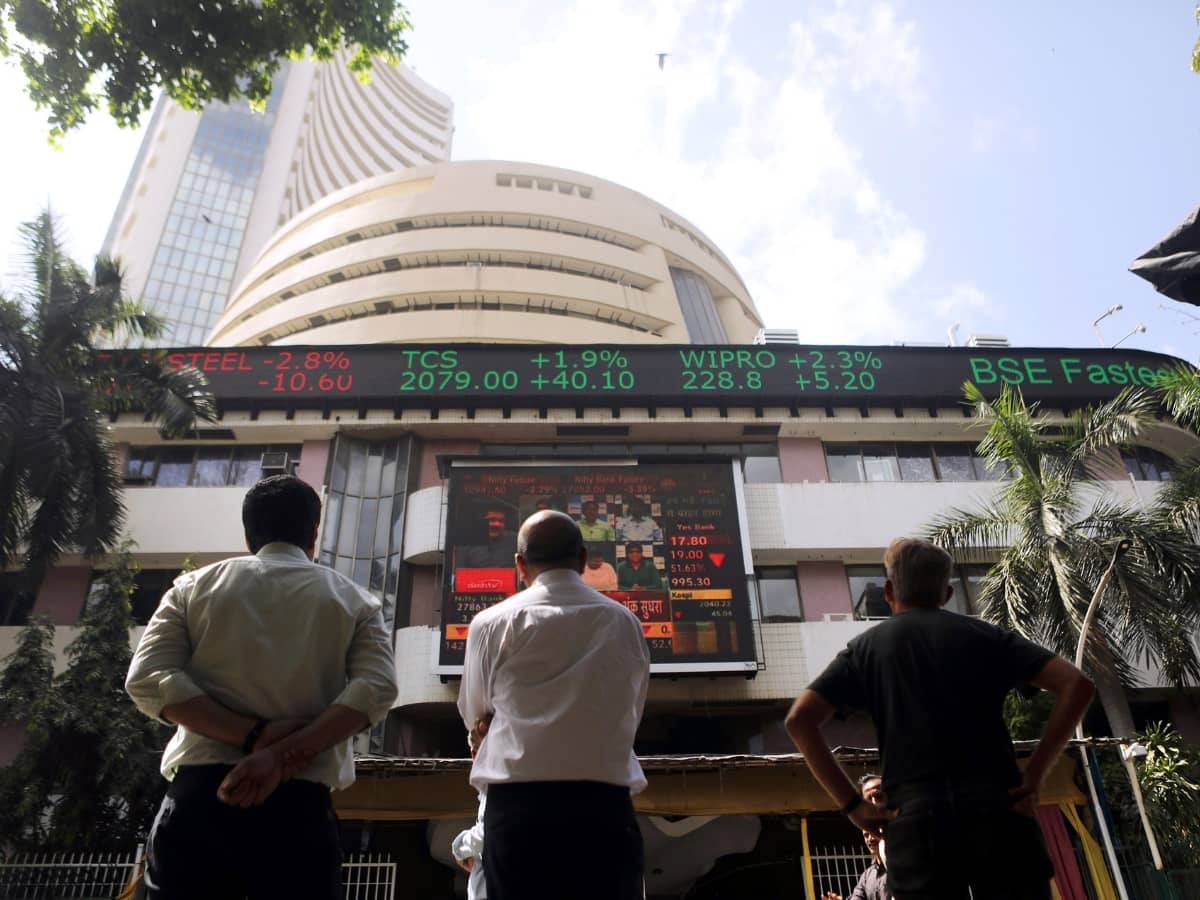

Indian Markets Poised for Flat Opening After Recent Rally
Indian equity markets are anticipated to commence trading with a flat trajectory today, following a period characterized by a strong upward rally. This expected subdued opening suggests a phase of consolidation after significant gains, with key indicators pointing towards stability rather than pronounced directional movement.
Gift Nifty Signals Stability for Domestic Markets
The Gift Nifty, formerly known as SGX Nifty, serves as a crucial early indicator for the Indian stock market, particularly the Nifty 50 index. Its overnight performance often provides insights into the potential opening sentiment for domestic bourses. Current indications from Gift Nifty suggest a flat start, signaling a degree of stability and a lack of significant overnight catalysts that would drive either a sharp upward or downward gap opening. This stability often reflects a balanced sentiment among international investors trading Indian derivatives, indicating that major global events have not decisively swayed market expectations in one direction.
A flat opening, as suggested by Gift Nifty, implies that the market may trade within a narrow range during the initial hours, with investors likely to assess fresh domestic and international developments before committing to substantial positions. This can lead to cautious trading activity, particularly after a sustained period of bullish momentum.
Influence of Mixed Global Cues on Investor Sentiment
Investor sentiment in India is currently influenced by a complex array of mixed global cues. These cues stem from various economic, political, and financial developments across major international markets. A 'mixed' environment typically means that while some global factors might be perceived as positive, others present challenges or uncertainties, leading to a lack of clear consensus among investors.
For instance, positive economic data from one major economy might be counterbalanced by concerns over inflation or interest rate policies in another. Geopolitical developments, shifts in commodity prices, and corporate earnings reports from multinational companies all contribute to this intricate web of influences. When these signals lack a unified direction, market participants often adopt a wait-and-watch approach, which can temper enthusiasm even after a period of domestic market strength. This global backdrop encourages a reassessment of risk and reward, contributing to the anticipated flat opening.
US-Iran Tensions as a Contributing Factor
Among the various global factors, ongoing tensions between the United States and Iran are noted as a significant contributing element influencing investor sentiment. Geopolitical developments in the Middle East, particularly involving major oil-producing nations, frequently introduce an element of uncertainty into global markets. Such tensions can have several potential implications:
- Crude Oil Prices: Heightened tensions in the Middle East often lead to concerns about potential disruptions to oil supply routes, which can drive up crude oil prices. For import-dependent economies like India, rising oil prices can fuel inflation and impact corporate margins, thereby influencing investor outlook.
- Risk Aversion: Geopolitical instability typically increases global risk aversion. Investors may shift capital away from riskier assets, including emerging market equities, towards safer havens such as gold or government bonds.
- Supply Chain Concerns: Prolonged or escalating conflicts can disrupt global supply chains, affecting trade and manufacturing activities worldwide.
The presence of such geopolitical risks encourages caution among investors, potentially limiting aggressive buying even in markets that have shown recent strength.
Selective Bullish Sentiment Across Global Equities
Despite the mixed global cues and specific geopolitical concerns, there is an observable selective bullish sentiment across global equities. This indicates that while the overall market may not be uniformly optimistic, certain sectors, regions, or companies are attracting positive investor attention. This selectivity can be driven by several factors:
- Sector-Specific Performance: Certain industries, such as technology, renewable energy, or specific segments of healthcare, might be experiencing strong growth prospects or innovation, leading to investor confidence in these areas.
- Regional Economic Strength: Some economies might be demonstrating stronger resilience or recovery, making their equity markets more attractive to investors.
- Corporate Earnings: Companies reporting robust earnings or providing optimistic forward guidance can see their stock prices rise, contributing to selective bullishness even if the broader market remains cautious.
This nuanced approach suggests that investors are discerning, focusing on specific opportunities rather than adopting a broad-based bullish stance across all global markets.
Selective Bullish Sentiment in Commodities Noted
Concurrently with selective bullishness in equities, a similar trend is observed in commodity markets. This means that while some commodities may be experiencing price appreciation, others might be stable or declining. The drivers for this selective sentiment in commodities can be diverse:
- Industrial Metals: Increased demand from manufacturing sectors or infrastructure projects in certain regions can drive up prices for industrial metals like copper or aluminum.
- Energy Commodities: Geopolitical tensions, such as those involving the US and Iran, can directly impact crude oil and natural gas prices due to supply concerns. However, other energy sources might not be similarly affected.
- Agricultural Commodities: Weather patterns, harvest forecasts, and global demand shifts can create bullish conditions for specific agricultural products while others remain stable.
This selective bullishness underscores that commodity markets are responding to a combination of supply-demand dynamics, economic growth expectations in specific sectors, and geopolitical developments, rather than a universal upward trend across all raw materials.