

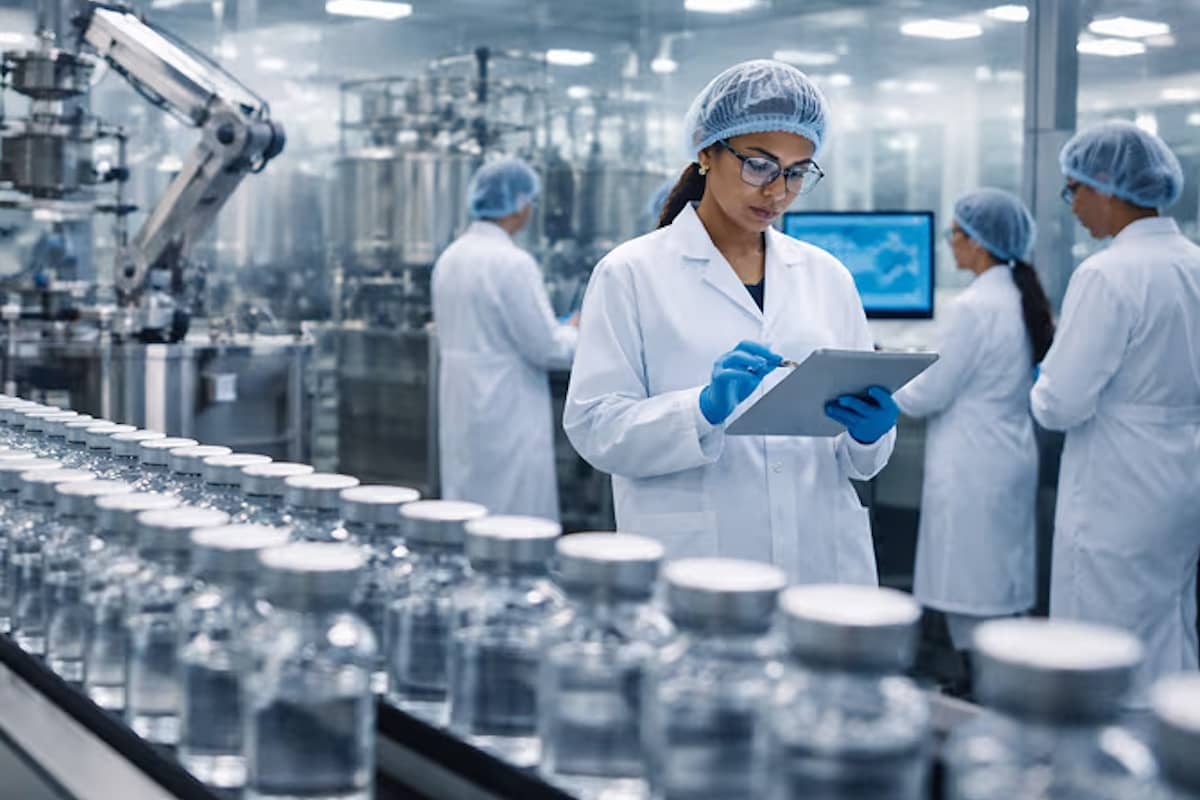

Discrepancy Between Labeling and Manufacturing Sources
A recent analysis published by Asia Times highlights a significant gap between the "Made in India" branding prevalent in the country's pharmaceutical sector and the actual origins of its raw materials. The article, titled "When ‘Made in India’ really means ‘Made in China’" and authored by Bhim Bhurtel, was published on June 26, 2026. It points out that while finished products bear Indian labels, the foundational components required to manufacture them are largely imported.
The report notes that India’s pharmaceutical industry is a significant global player in terms of output volume. According to the source, the country produces approximately 20% of the world’s generic drugs by volume. This massive production capacity has allowed India to support major vaccine efforts and provide affordable medicine worldwide, contributing to a national sense of self-sufficiency.
However, the article argues that this outward success masks underlying vulnerabilities within the supply chain. Despite the global reach of Indian pharmaceutical firms, the industry relies heavily on external inputs for its core components. The analysis suggests that the "Made in India" designation often reflects the location of final assembly or packaging rather than the origin of the critical substances used in production.
Government Report Identifies Strategic Dependencies
The findings in the Asia Times article align with data from a June 2026 government report issued by NITI Aayog. This official document highlights the strategic vulnerabilities beneath India's pharmaceutical sector. The report identifies that more than 65% of key pharmaceutical ingredients are supplied by China.
This dependency on Chinese inputs creates a structural reliance for one of the world's largest producers of generic medication. The NITI Aayog report underscores that while the finished goods may be Indian, the essential chemical building blocks are predominantly sourced from across the border in China. This statistic serves as a central piece of evidence in the argument that the industry's self-sufficiency is partially illusory.
The reliance on foreign suppliers for such a high percentage of key ingredients raises questions about the resilience of the supply chain. The Asia Times article uses this data to illustrate how global health security and domestic industrial policy intersect, noting that the country's ability to produce affordable medicine is tied to its access to Chinese raw materials.
Implications for Global Supply Chains
The intersection of India's manufacturing output and China's chemical supply creates a complex dynamic in the global pharmaceutical market. India’s role in providing affordable medicine worldwide is well-documented, yet the source material indicates that this contribution is contingent on imports from another major economic power.
The article does not report any official response from the Indian government regarding these specific findings beyond the publication of the NITI Aayog report itself. Similarly, no statement from Chinese manufacturers or officials was included in the provided source context. The narrative remains focused on the statistical disparity between production volume and ingredient origin as identified by the journalist and the government think tank.
The June 2026 timeline places these findings in a contemporary context of ongoing geopolitical trade relations. The data points to a situation where national branding efforts may not fully reflect the multinational nature of modern pharmaceutical manufacturing. The article concludes its factual reporting by emphasizing the scale of the dependency, with the majority of key ingredients originating from China despite the global distribution of Indian-made drugs.