

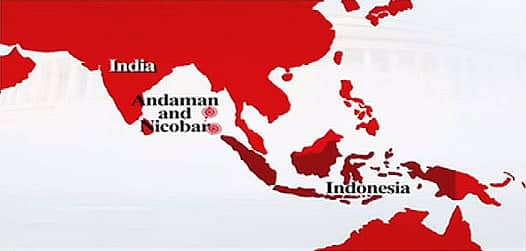

Diplomatic visits are often judged by the agreements they produce or the ceremonial warmth they receive. Yet history remembers a few not for their optics but for the strategic direction they reveal.
A State Visit Defining India's Eastern Destiny
Prime Minister Narendra Modi's state visit to Indonesia belongs to that category of historical turning points, according to Debika Dutta of The Sentinel. Published on July 12, 2026, the editorial suggests this engagement may prove one such moment in history.
If the commitments made during the visit are matched by sustained implementation at home and credible partnerships abroad, it will be remembered not merely as another successful diplomatic engagement but as the moment India decisively embraced its eastern destiny. In that transformation, Assam and the Northeast of India will cease to be the country's periphery; they will become the gateway through which India enters its Eastern Century.
More than another milestone in India's Act East Policy, this visit signalled New Delhi's growing conviction that the Indo-Pacific will define the country's economic future, strategic influence and geopolitical relevance in the twenty-first century. The article posits that history rarely announces its turning points explicitly; their significance becomes evident only with time.
Strategic Shifts Amidst Global Fractures
The era is currently marked by fractured supply chains, technological rivalry and maritime competition. In this specific context, India has made it clear that its eastern engagement is no longer an adjunct to foreign policy; it is becoming one of its defining pillars.
India's engagement with the East is characterized as evolving from a secondary component of diplomatic strategy into a central pillar of national interest. This evolution occurs specifically against the backdrop of fractured global supply chains and intense technological rivalry between major powers. The shift indicates that maritime competition has moved to the forefront of strategic planning.
The visit highlights a potentially significant moment in India's strategic direction, signaling a decisive embrace of its "eastern destiny." Analysts note that this is not merely ceremonial but represents a structural change in how New Delhi views its geopolitical relevance. The focus on the Indo-Pacific region suggests that economic future and strategic influence are now intrinsically linked to Eastern partnerships rather than traditional Western alliances alone.
The Gateway of Assam And The Northeast
Debika Dutta, writing for Sentinel Digital Desk, emphasizes a specific geographic transformation. If the commitments made during Modi's visit in Jakarta are effectively implemented and credible partnerships are formed with Indonesia and other Eastern nations, it could lead to Assam and the Northeast becoming a gateway for India's engagement with the East.
Currently, these regions serve as periphery areas within the Indian administrative structure. The proposed shift aims to reposition them as critical transit points or diplomatic hubs connecting New Delhi with Southeast Asian counterparts like Jakarta. This geographical realignment is viewed by observers in Assam and Northeast India as a potential catalyst for regional development.
The editorial notes that while many state visits are evaluated based on the number of treaties signed during the event, this particular visit carries weight due to its implications for long-term strategic direction. The focus has shifted from immediate trade agreements to broader geopolitical positioning within the Indo-Pacific architecture.
Implications For Geopolitical Relevance
The article asserts that Prime Minister Modi's presence in Jakarta serves as a signal of India's intent to deepen ties with Southeast Asia. This deepening is framed not just as economic cooperation but as a necessary component for maintaining strategic influence in the twenty-first century.
Observers suggest that without such engagement, India risks being marginalized by supply chains controlled elsewhere or technological standards set by rival blocs. By embracing its eastern destiny, New Delhi aims to secure an alternative ecosystem of trade and security cooperation.
The publication date of July 12, 2026, places this narrative within a specific timeline where the Indo-Pacific strategy is already under scrutiny globally. The editorial argues that India's relevance in global affairs now depends heavily on its ability to navigate these Eastern corridors effectively.
Verifying Commitments And Credibility
The core argument rests on a conditional premise: if commitments are matched by sustained implementation, the strategic vision will materialize. Conversely, without credible partnerships abroad and domestic execution of policies related to infrastructure or trade facilitation in the Northeast, the potential remains theoretical.
Sentinel Digital Desk published this analysis under its Live Blog section alongside Top Headlines covering cities and NE News. The piece serves as an editorial perspective rather than a direct report on specific treaties signed during the visit. It functions instead as a strategic forecast based on high-level diplomatic movements.
The distinction between optics and substance is drawn explicitly in the text. History remembers few events for their ceremonial warmth, but many more for the direction they reveal regarding national security or economic policy shifts. This specific state visit to Jakarta falls into the latter category according to the author's assessment of its potential historical weight.
The article concludes by noting that if this transformation occurs, Assam and the Northeast will cease to be peripheral regions in Indian foreign policy discourse. Instead, they are projected to become the gateway through which India enters what is termed its Eastern Century—a period defined by deep integration with Southeast Asia rather than isolation or reliance solely on traditional Western partners.
This repositioning of Assam and the Northeast represents a significant departure from previous decades where these regions were often viewed primarily as internal development zones. The new narrative frames them as external-facing hubs critical to India's broader geopolitical strategy in the Indo-Pacific region.