

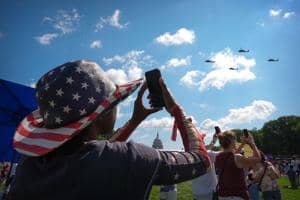

Racing Through the Nation’s Capital
WASHINGTON (AP) — The streets of Washington, D.C., served as the venue for the IndyCar Freedom 250 Grand Prix, a high-speed event that transformed the city’s infrastructure into a temporary racing track. According to an Associated Press report published on Newsitem, the race brought professional motorsport competition to the nation’s capital, drawing crowds eager to witness the spectacle from vantage points typically reserved for tourists and locals alike.
The event highlighted the unique challenge of street circuit racing, where precision driving is required amidst urban obstacles. The track layout was designed to utilize existing roadways, creating a course that demanded intense focus from drivers while providing spectators with an immersive experience of speed and engineering within a historic setting.
Details of the Street Circuit
The core of the racing action took place on a 1.7-mile street circuit. This specific distance defined the scope of each lap, requiring drivers to navigate tight corners and straightaways in close proximity to city structures. The circuit was not a closed-off racetrack in the traditional sense but rather a public road system adapted for high-performance vehicles.
A defining characteristic of this particular course was its route through some of the nation’s most recognizable landmarks. By winding through these iconic areas, the race provided a backdrop that distinguished it from oval tracks or permanent road courses found elsewhere in the racing calendar. The juxtaposition of modern racing technology against historic architecture created a distinct visual profile for the event.
Sights and Sounds for Attendees
For those in attendance, the experience was defined by the sensory elements of the race. Spectators took in both the sights and sounds of the IndyCar Freedom 250 Grand Prix. The auditory component involved the noise generated by the racing engines, while the visual aspect included the movement of the cars against the static background of the city.
Photography played a key role in documenting the event. Images captured the dynamic nature of the race, freezing moments of speed and competition. These photographs served to illustrate the scale of the operation and the engagement of the crowd, offering a record of how the city looked during the period of the Grand Prix.
Documentation of the Event
The coverage of the IndyCar Freedom 250 Grand Prix in Washington was primarily visual. The Associated Press report focused on the imagery associated with the race, emphasizing the presence of spectators and the layout of the track. This approach highlighted the public interest in the event and the logistical feat of hosting a major sports competition in a dense urban environment.
The reporting confirmed that the event successfully utilized the city’s geography to create a challenging course for the drivers. The 1.7-mile length provided sufficient distance for racing dynamics while allowing the track to pass through significant areas of Washington, D.C. This route ensured that the race was not isolated from the city but integrated into its fabric.
The presence of recognizable landmarks along the circuit added a layer of geographic specificity to the event. Unlike generic street circuits, this course offered a clear connection to the identity of Washington, D.C., making the location an integral part of the racing experience. The combination of speed, historic setting, and public attendance defined the character of the IndyCar Freedom 250 Grand Prix.
The event marked a notable instance of professional motorsport in the nation’s capital. By bringing IndyCar racing to Washington, D.C., the organizers created a temporary venue that showcased both the sport and the city. The documentation through photography preserved the visual details of the race, including the track layout and the crowd’s reaction to the competition.
As the cars navigated the 1.7-mile loop, they passed by sites central to American history and government. This setting provided a unique context for the racing, distinguishing it from other events on the IndyCar schedule. The report from Newsitem underscored the significance of this location choice and the resulting interest from spectators who came to witness the race firsthand.
The focus remained on the factual aspects of the event: the distance of the track, the nature of the circuit, and the presence of the audience. There were no additional details regarding race results or driver performances in the source material, leaving the emphasis on the setting and the visual documentation of the Grand Prix.
The IndyCar Freedom 250 Grand Prix thus stood as a distinct event in motorsport history, characterized by its urban location and the specific challenges it presented to drivers. The 1.7-mile street circuit served as the stage for this competition, with the nation’s most recognizable landmarks providing a backdrop for the high-speed action.
Spectators who attended the event experienced the race through direct observation and photographic record. The sights and sounds of the cars on the streets of Washington, D.C., created a memorable atmosphere for those present. The documentation of these elements provides a clear account of what occurred during the Grand Prix without speculation or additional interpretation.
The event demonstrated the feasibility of hosting major racing competitions in capital cities. By adapting existing infrastructure into a 1.7-mile course, the organizers were able to create a viable track for professional drivers. The result was an event that combined the excitement of IndyCar racing with the prestige of Washington, D.C., as recorded by the Associated Press.
The visual record of the race remains a primary source of information about the event. Photographs captured the cars in motion and the crowds observing from the sidelines. These images, along with the description of the circuit, form the basis of the public knowledge regarding the IndyCar Freedom 250 Grand Prix in Washington.
The integration of racing into the city’s landscape required careful planning to ensure safety and accessibility for spectators. The route through recognizable landmarks was a deliberate choice that enhanced the visibility and appeal of the event. This approach allowed the race to become part of the city’s cultural moment, at least for the duration of the Grand Prix.
Ultimately, the IndyCar Freedom 250 Grand Prix in Washington, D.C., was defined by its location and its format. The 1.7-mile street circuit provided the physical space for competition, while the presence of spectators and the documentation through photography captured the public interest in the event. The race served as a showcase for both the sport and the city, leaving a visual record for future reference.