


IndyCar's Grand Debut in the Capital
The IndyCar Freedom 250 Grand Prix marked a significant milestone for motorsport in the United States, bringing high-speed competition directly to the heart of Washington, D.C. The event transformed the city’s familiar avenues and boulevards into a challenging, temporary racetrack, welcoming professional drivers and an eager public. This debut represented the first time IndyCar racing had arrived in the nation’s capital, generating considerable excitement among long-time automotive enthusiasts and drawing the curiosity of local residents who experienced the spectacle firsthand.
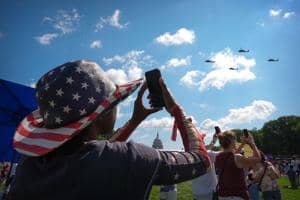
Throughout the event, spectators were immersed in the distinct sights and sounds of the Grand Prix. The atmosphere was electrifying, defined by the powerful roar of high-performance engines echoing between urban structures and the blur of open-wheel race cars navigating an environment typically associated with political discourse and daily commutes rather than competitive racing. This unique juxtaposition of a modern, high-tech sport against a backdrop of historic urban infrastructure created a memorable experience for all who attended.
Crafting a High-Speed Urban Circuit
The design of the IndyCar Freedom 250 Grand Prix circuit was a critical element in its appeal and execution. Engineers and organizers meticulously planned a course that would not only challenge drivers but also showcase the iconic landscape of Washington, D.C. The result was a 1.7-mile street circuit, intricately woven through the city center, allowing drivers to navigate a series of turns and straights flanked by historic architecture and prominent government buildings.
Navigating Washington's Iconic Streets
The 1.7-mile track length demanded exceptional precision and skill from competitors, who had to master the tight confines and unforgiving nature of city streets. Unlike purpose-built racetracks with ample runoff areas, a street circuit requires drivers to be constantly aware of barriers and urban obstacles. The circuit’s path was deliberately chosen to highlight the visual grandeur of the capital, ensuring that the race would be visible from numerous vantage points across the district, providing dynamic views of the cars against a backdrop of national monuments and federal institutions.
A key aspect of the event’s planning was its integration into the existing urban landscape. By utilizing established roadways rather than requiring the construction of a dedicated, permanent facility, the IndyCar Freedom 250 Grand Prix seamlessly adapted to the city’s infrastructure. This strategic approach minimized the need for extensive permanent construction, demonstrating a sustainable model for hosting major sporting events in dense urban environments while leveraging the city's inherent visual appeal.
Operational Challenges and Safety Measures
The competition itself was structured around the challenging 1.7-mile loop, requiring drivers to complete multiple laps to determine the winner. The street circuit format presented a distinct set of challenges compared to traditional, permanent racetracks. These included tighter corners, variable road surfaces, and significantly less runoff area, demanding a different driving style and a higher degree of car control.
Event officials prioritized safety while simultaneously maximizing visibility for the thousands of spectators. Extensive planning went into securing the course, installing temporary safety barriers, and managing crowd flow. The strategic choice of landmarks along the route not only provided spectacular viewing opportunities but also served as natural points for crowd control and access management, facilitating the safe movement of people in a densely populated urban setting. These operational details were crucial in ensuring a smooth and secure event for both participants and the public.
The Thrill of Racing Amidst Historic Architecture
The presence of spectators was a defining feature of the IndyCar Freedom 250 Grand Prix, with fans congregating along every accessible stretch of the circuit to witness the high-octane action. As reported by the AP, attendees were treated to a full sensory experience, encompassing both the visual spectacle of the cars speeding past at incredible velocities and the profound auditory impact of their powerful engines operating at peak performance. This direct engagement with the raw speed and agility of IndyCar vehicles in a controlled urban setting offered a unique perspective on the sport.
The combination of professional motorsport and the historic setting of Washington, D.C., cultivated a truly distinct environment for the competition. Fans observed the technical precision required to pilot these advanced machines through the city streets, gaining a direct appreciation for the drivers' skill and the engineering prowess of the vehicles. The energy from the crowd, combined with the dramatic urban backdrop, created an atmosphere that transcended a typical race day, becoming a cultural event in its own right.
Public Engagement and Local Impact
Local residents and visitors alike observed with fascination the transformation of their familiar streets into a world-class racing venue. The event drew significant crowds, many of whom were drawn by the sheer novelty of seeing professional drivers navigate the unique and challenging layout of the Washington, D.C. circuit. This temporary metamorphosis of the city fostered a sense of community excitement and pride, as the capital hosted an event of international sporting caliber.
The IndyCar Freedom 250 Grand Prix concluded successfully with the completion of all scheduled laps, marking the end of the exhilarating competition in the nation’s capital. The event not only delivered a thrilling race but also showcased the city’s capacity to host large-scale, complex sporting events, leaving a lasting impression on both the motorsport community and the local populace.
Broader Implications for Urban Motorsport
The hosting of the IndyCar Freedom 250 Grand Prix in Washington, D.C., represented a notable and forward-thinking moment for motorsport in the region and for the IndyCar series itself. By bringing this specific racing series to the capital, the event significantly expanded the geographic reach of IndyCar racing, moving beyond its traditional base of dedicated tracks and purpose-built circuits. This strategic move aimed to introduce the sport to new audiences and demonstrate its adaptability to diverse environments.
The race served as a major focal point for sports coverage, not just locally but nationally, with media outlets extensively documenting the arrival of the cars, the setup of the circuit, and the enthusiastic reaction of the public. More broadly, the event highlighted the inherent capability of major cities to host large-scale sporting spectacles without the necessity of specialized stadium infrastructure. It demonstrated that with careful planning and collaboration, urban centers can successfully accommodate complex events, utilizing their existing street networks and iconic landmarks to create unique and engaging experiences. This successful venture set a compelling precedent for future urban racing opportunities, illustrating the feasibility and appeal of bringing top-tier motorsport directly to the people in historic and vibrant cityscapes.