

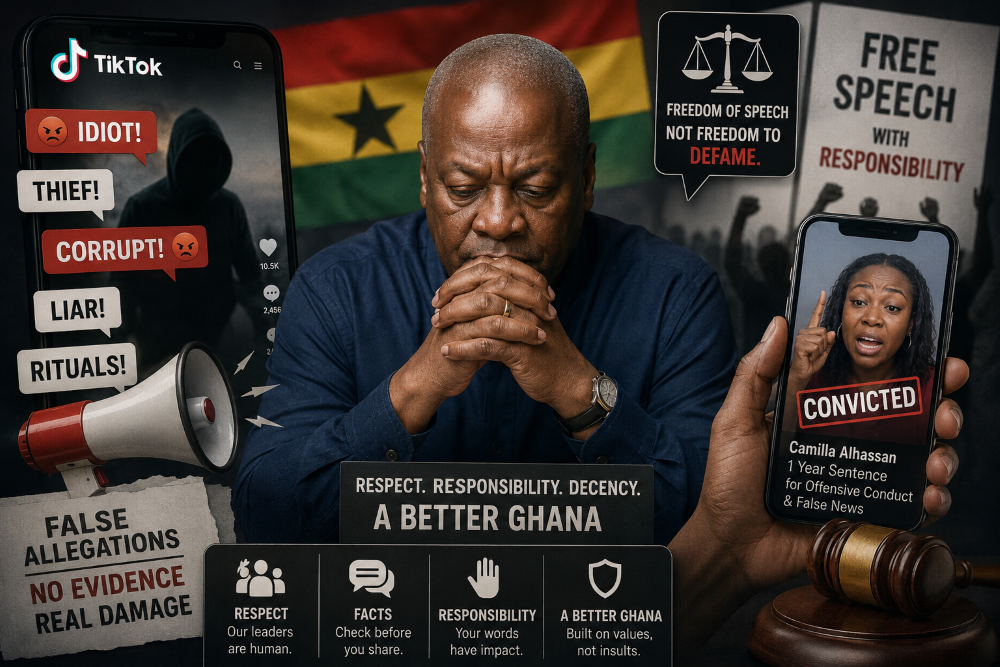

In recent times, Ghana’s digital environment has evolved into what some observers describe as a battleground. Within this virtual arena, the nature of discourse regarding leadership is shifting. Criticism aimed at political leaders is increasingly being replaced by personal attacks and insults. This transformation includes the circulation of unsubstantiated allegations made against those in power.
The Rise of Abusive Language on Social Platforms
Platforms such as TikTok have been noted for a significant proliferation of content characterized by this type of aggressive interaction. The rise of such material has sparked what is described as a difficult but necessary conversation among the public and analysts.
This specific trend involves questioning whether Ghanaians are witnessing an expansion of free expression or, conversely, a worrying decline in values, respect, and common sense. While criticism and mockery of political figures have existed previously, current observations mark the situation with a growing normalization of abusive language.
Historical Context versus Current Trends
The trend of insulting public figures is not entirely new to Ghanaian history. Successive governments and leaders throughout various administrations have faced criticism, mockery, and political attacks from citizens across the country. These actions represent a historical pattern where leadership faces scrutiny.
However, what appears different today involves specific nuances in how these interactions occur. The current situation is distinguished by the willingness to engage in verbal assaults that go beyond standard political debate. This shift suggests a change in the baseline of acceptable discourse within the digital sphere compared to previous eras.
The Debate Over Free Expression and Societal Values
At the center of this discussion is whether these actions constitute an exercise of fundamental rights or a breach of social norms. The debate centers on two primary interpretations presented in recent analysis.
- Interpretation One: Some voices suggest that the volume and nature of speech represent an expansion of free expression, where individuals feel empowered to voice grievances without traditional constraints.
This perspective is weighed against another view. Critics argue that this environment signifies a decline in values, respect for office holders, and common sense regarding political engagement. The distinction lies not just in the volume of speech but in its quality and adherence to standards of conduct previously expected in public discourse.
The Normalization of Abuse
A key differentiator identified by observers is the normalization of abusive language. In previous contexts, such behavior might have been considered an outlier or a violation of decorum. Today, it appears increasingly standard within certain digital circles.
This normalization affects how political leaders are treated and how their opponents engage with them. The willingness to deploy insults as primary tools of engagement suggests that the threshold for what constitutes acceptable criticism has lowered significantly in specific sectors of society.
Implications for Political Discourse
The shift from constructive criticism to personal attacks alters the landscape of political communication in Ghana. When discourse is dominated by insults and unsubstantiated claims, it impacts the ability of leaders to govern effectively and citizens to engage with policy issues.
Perspectives on this issue remain divided along lines similar to those found in other nations facing comparable digital challenges. Some argue that free speech must be absolute regardless of content or tone. Others contend that rights come with responsibilities, including the duty not to degrade public discourse through personal vitriol.
Regional and Platform Specifics
The phenomenon is observed across various regions in Ghana, though specific platforms like TikTok are highlighted as primary vectors for this content spread. The reach of these platforms allows messages containing insults to travel rapidly, often bypassing traditional editorial filters that might have moderated language in the past.
As the digital space continues to mature and evolve, so too does the debate surrounding it. Questions regarding whether Ghanaians are witnessing an expansion of free expression or a worrying decline in values remain open for public deliberation. The answer may depend on how society defines the boundaries between legitimate criticism and harmful abuse.
The ongoing conversation involves weighing historical precedents against current realities. Successive governments have navigated similar challenges, yet the mechanisms available today differ from those of the past. This evolution presents new complexities for leadership and civic engagement alike.