

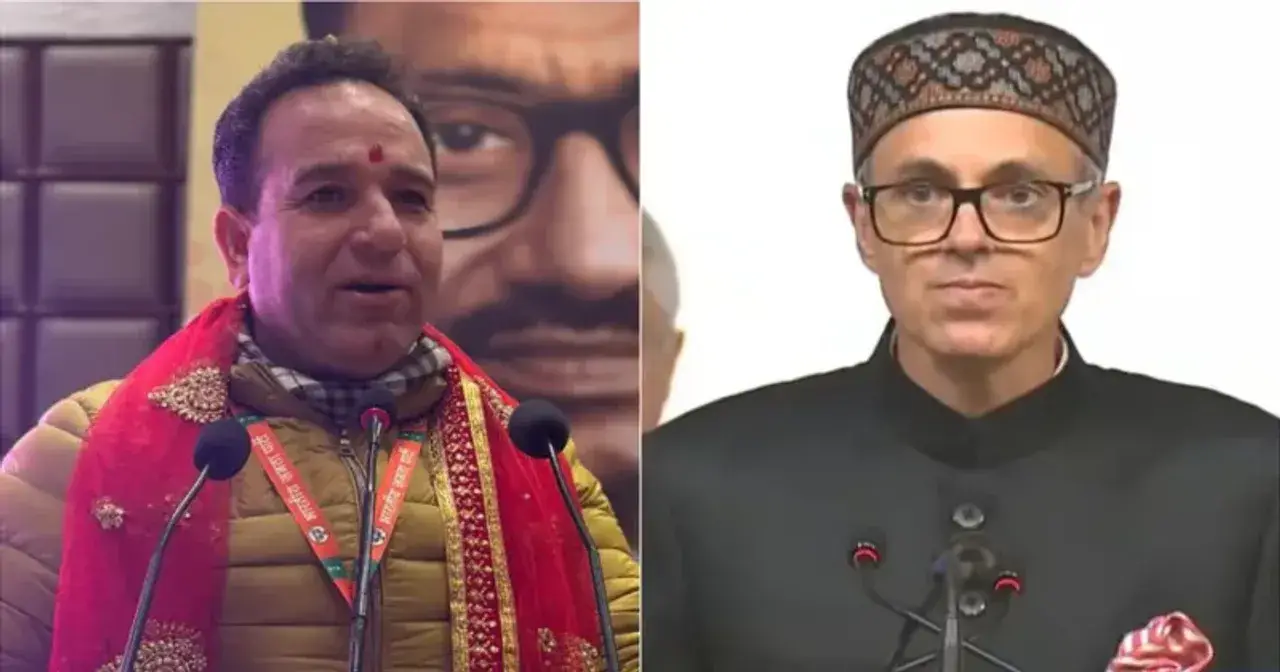

Rival Encirclements Scheduled for September 2
Jammu and Kashmir is preparing for a direct street-level confrontation between the National Conference (NC) and the Bharatiya Janata Party (BJP) on Wednesday, following announcements of opposing protest actions. The political contest between the two parties has escalated into a series of encirclement demonstrations, known as gheraos, aimed at defining the narrative regarding governance and accountability in the region. These rival protests are scheduled for September 2, setting the stage for a significant political face-off.
A gherao, a form of protest originating in India, involves surrounding a building or person to demand action or attention. In this instance, the BJP initially called for a Secretariat gherao, directly targeting the Omar Abdullah-led government. This move was intended to question the performance and efficacy of the elected state administration, placing the burden of accountability for regional issues squarely on its shoulders.
In a rapid response, the NC announced counter-gheraos, strategically targeting BJP headquarters in both Srinagar and Jammu. This immediate counter-campaign transforms September 2 into a day of heightened political tension, with both organizations attempting to set the terms of public debate. The NC's decision to target BJP offices rather than the Secretariat is a deliberate tactical shift, aiming to redirect the focus of accountability for Jammu and Kashmir’s unresolved issues away from the state administration and toward New Delhi, specifically the Centre and its commitments to the region.
Strategic Intent Behind Opposing Protests
The opposing actions serve distinct strategic purposes, highlighting a fundamental disagreement over where responsibility for the region's challenges should lie. The BJP’s protest directly challenges the state government, implying that local governance is the primary cause of existing grievances. This approach seeks to mobilize public sentiment against the incumbent state leadership.
Conversely, the NC’s counter-campaign is designed to place scrutiny on the Centre and its commitments toward Jammu and Kashmir. By targeting the local representation of the national ruling party, the NC aims to elevate the debate to a federal level, questioning the central government's role and adherence to promises made regarding the erstwhile state. This strategic choice underscores a broader struggle to determine the locus of power and responsibility in addressing the complex issues facing Jammu and Kashmir.
NC Demands Accountability for Central Commitments
The National Conference has clearly stated that its upcoming protests would remain peaceful, emphasizing a commitment to democratic expression. The party announced it would demand accountability for commitments made by the Centre in Parliament and before the Supreme Court. This demand is underpinned by four specific requirements articulated by the NC, which collectively form the core of its political messaging in this confrontation.
- Constitutional Guarantees: The NC seeks assurances and protections under the Constitution, aiming to safeguard the unique identity and rights of the people of Jammu and Kashmir.
- Restoration of Statehood: This remains a central and defining demand for the NC. The party has consistently called for the restoration of statehood since the reorganization of the erstwhile state in 2019, which saw its special status altered and its administrative structure changed. This demand reflects a desire to regain the political autonomy and self-governance that existed prior to the reorganization.
- Clearance of the Reservation File: This refers to pending issues related to reservation policies, which are critical for ensuring equitable opportunities and justice for various communities within Jammu and Kashmir.
- Justice for the People of J&K: This overarching demand encapsulates the party's broader objective to address the grievances and ensure fairness for all residents of the region, touching upon various socio-economic and political aspects.
By aligning statehood with constitutional guarantees and the reservation issue, the NC seeks to frame Wednesday’s protest not merely as a defense of the Omar Abdullah government, but as a broader political demand directed at the central government. This strategy positions the ruling party’s grievances against the backdrop of central promises rather than local administrative performance.
Shifting the Narrative to Central Promises
The party’s reference to its mandate and the Centre's commitments is described as deliberate within the context of this counter-offensive. The NC is attempting to move the debate from governance in Jammu and Kashmir to the larger question of what the Centre has promised the region and what remains undelivered. This includes specific assurances made in legislative bodies and judicial forums, which the NC now seeks to hold the central government accountable for.
This approach aims to highlight a perceived gap between the Centre's declarations and their implementation on the ground in Jammu and Kashmir. By focusing on these unfulfilled commitments, the NC endeavors to rally public support around issues that transcend local administrative performance and instead point to broader federal responsibilities and obligations.
The Accountability Struggle in Jammu and Kashmir
The confrontation highlights a fundamental struggle to determine where responsibility for Jammu and Kashmir’s unresolved issues lies. The BJP’s initiative places the burden squarely on the Omar Abdullah-led administration, suggesting that local governance failures are at the root of the region's problems. This narrative seeks to undermine the credibility of the state government.
In contrast, the NC’s response directly challenges the central government’s adherence to its parliamentary and judicial commitments, arguing that the Centre has a primary role in addressing the region's constitutional, political, and developmental concerns. This counter-narrative aims to deflect criticism from the state administration and refocus attention on New Delhi's responsibilities.
Both parties are utilizing street-level demonstrations as a powerful tool to assert their position in the public discourse and shape perceptions. The BJP’s Secretariat gherao targets the state government directly, aiming to disrupt its functioning and draw attention to its alleged shortcomings. The NC’s counter-protests at BJP offices in Srinagar and Jammu, however, target the party’s national leadership and its role in the central government, making it a direct challenge to the federal authority.
Escalating Political Rhetoric
The timing of the NC’s announcement, made just hours after the BJP called for its encirclement, indicates a rapid escalation in political rhetoric and a readiness for direct confrontation. This swift response transforms the scheduled date into a direct contest between the state administration and the central government’s local representatives. Each side is attempting to dictate the terms of the ensuing debate regarding regional governance and federal commitments, with the people of Jammu and Kashmir as the ultimate stakeholders.
This political maneuvering underscores the high stakes involved in defining accountability for the future of Jammu and Kashmir. The outcome of these rival protests, and the public discourse they generate, could significantly influence the political landscape and the ongoing efforts to address the region's complex challenges.