Full story
Commentators Demand Endorsement Amid High-Stakes Senate Contest
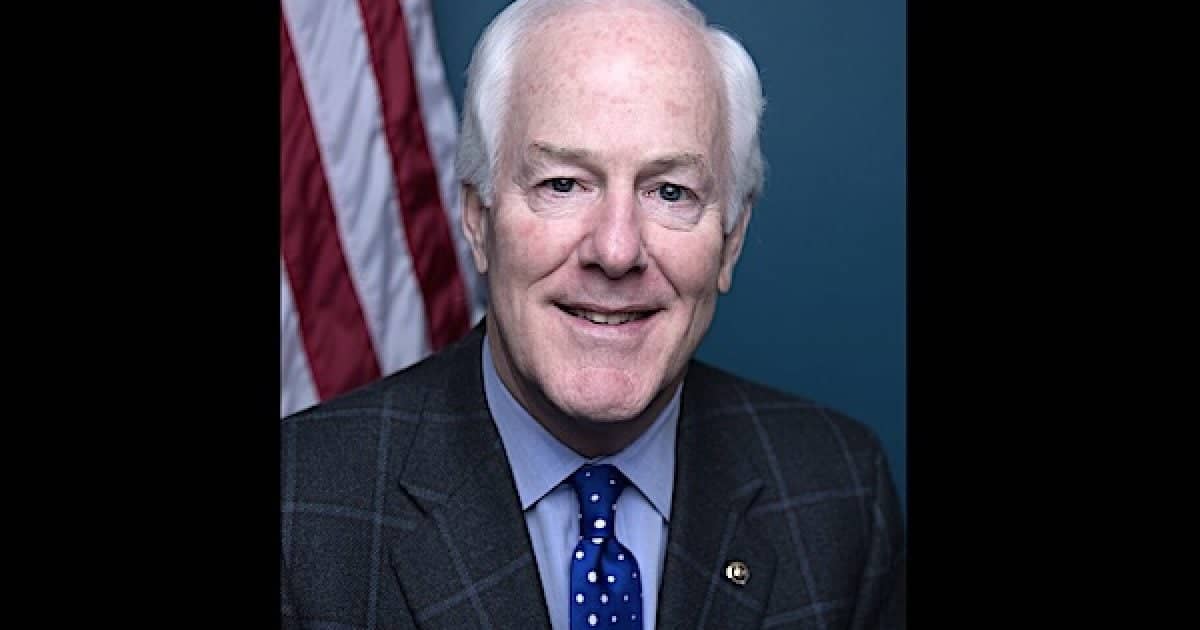
U.S. Senator John Cornyn of Texas has come under fire from conservative media figures and viewers for his decision to neither endorse nor campaign for fellow Republican Ken Paxton in the upcoming general election. The criticism intensified as the race for the U.S. Senate seat in Texas is viewed by many within the party as critical to determining which party will control the chamber.
The backlash was highlighted in a segment published by WorldNetDaily on September 6, 2026. In the commentary piece, writer Joe Kovacs addressed Cornyn directly, urging him to cease his current posture toward the race. The article included strong language from viewers and commentators, with one specific call to action reading, "Stop being a pr*ck." The segment featured video footage of Cornyn being questioned about his lack of support for Paxton.
Paxton, the Republican Attorney General of Texas, is the GOP nominee running for the U.S. Senate seat in the Lone Star State. He faces Democrat James Talarico in the general election. The context for the intense scrutiny on Cornyn is the perceived high stakes of the contest, with observers noting that control of the U.S. Senate hangs in the balance.
Historical Context of the Candidates' Relationship
The tension between the two Texas Republicans stems from a recent primary election. In May, Cornyn and Paxton competed against each other in a Republican runoff for the same Senate seat. The outcome of that race was decisive, with Paxton defeating Cornyn by a significant margin.
According to the source data, Paxton received 62.5% of the vote in the May Republican runoff, while Cornyn received 37.5%. This defeat marked a notable shift in the political landscape for both men, as Cornyn is a long-serving senator and Paxton was previously the state's top law enforcement officer.
The primary contest was further defined by the involvement of former President Donald Trump. Trump endorsed Paxton during the May Republican runoff, a move that contributed to Paxton's victory over the incumbent senator. The endorsement from Trump was a key factor in the dynamics of the primary race, which ultimately resulted in Cornyn leaving the Senate seat open for Paxton to take.
Implications for Party Unity and Senate Control
The current general election pits Paxton against Democrat James Talarico. The refusal by Cornyn to actively support his former rival has drawn sharp criticism from those who believe party unity is essential in a high-profile race. Commentators argue that a lack of unified Republican support could jeopardize the party's chances in Texas, a state that has historically leaned Republican but with increasing competitiveness in recent cycles.
The criticism suggests that Cornyn's silence or lack of campaigning for Paxton is being interpreted as a significant slight within the party ranks. The language used by critics, including the direct address to "stop being a pr*ck," indicates a level of frustration and anger among some conservative voters and commentators toward the former senator.
No response from Senator Cornyn regarding the specific criticism or his strategy for the general election was included in the source material provided. Similarly, no comments were available from the campaign of James Talarico or Ken Paxton regarding the internal Republican dynamics at this time.
The race remains a focal point for national attention due to its potential impact on the balance of power in the U.S. Senate. The outcome will determine whether Republicans or Democrats maintain their majority, a factor that influences legislative priorities and committee leadership across the federal government.
The disparity in the primary vote share—62.5% for Paxton versus 37.5% for Cornyn—underscores the mandate Paxton received from Republican voters in Texas. The endorsement by former President Trump during that runoff further solidified Paxton's position within the party establishment at that time.
As the general election approaches, the focus remains on the contest between Paxton and Talarico. The criticism directed at Cornyn highlights the ongoing tensions and expectations within the Republican Party regarding loyalty and support for its nominees, particularly in races deemed vital to national political control.