

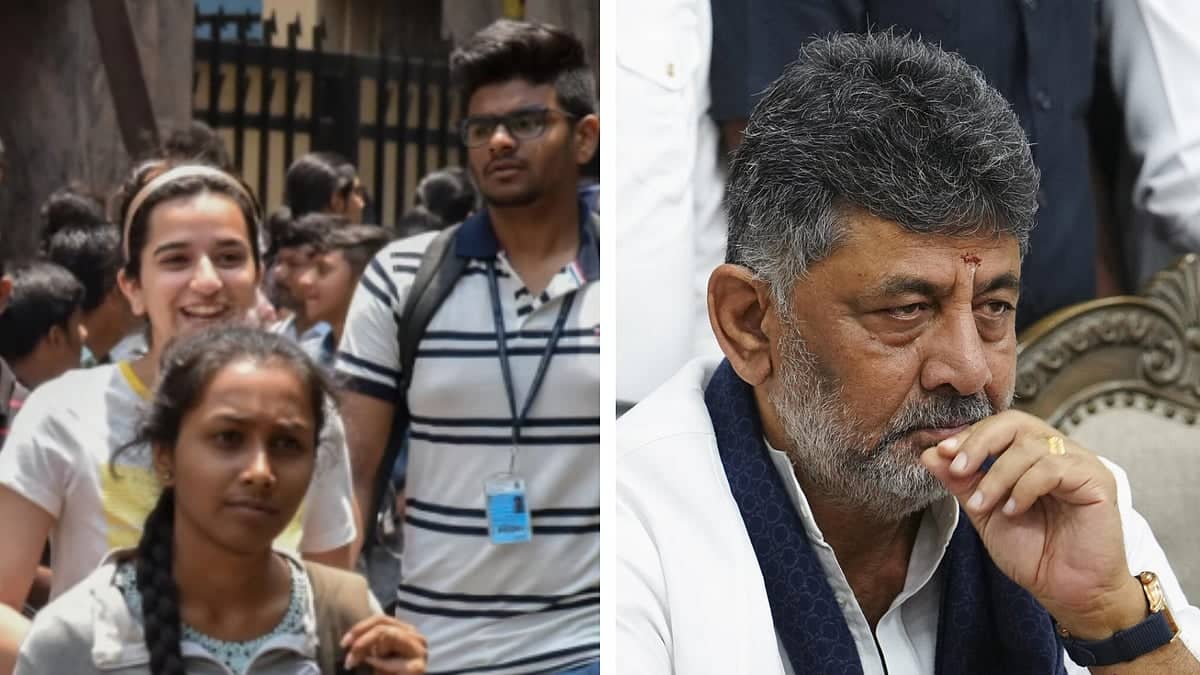

Government Prioritizes Youth Engagement in State Governance
Karnataka's political leadership has increasingly focused on establishing mechanisms to engage with and listen to the perspectives of Generation Z. This strategic shift in governance aims to integrate the viewpoints of younger citizens into state policy discussions. The administration identifies this demographic as a critical component of the region's future trajectory.
Officials within the Karnataka government have stated that safeguarding the ideas, aspirations, and rights of young people is considered a top priority. This designation marks a formal recognition of the youth cohort's influence on public discourse and policy formulation. The approach involves fostering open dialogue between the government structures and the younger generation to ensure their voices are incorporated into administrative processes.
Asserting the Role of Young Minds in National Development
D K Shivakumar, a prominent figure in Karnataka politics, articulated the state's stance on youth engagement in an opinion piece published by Deccan Herald. In the article titled "Listening to Gen Z: Karnataka’s governance through open dialogue," Shivakumar emphasized the economic and developmental contributions of young Indians.
Shivakumar wrote, "Today, the power of Karnataka’s young minds is the primary force behind India’s development." This statement underscores the government's view that youth are not merely beneficiaries of policy but active drivers of national progress. The assertion links the state's developmental goals directly to the capabilities and energy of its younger population.
Direct Appeals for Safeguarding Youth Rights
In the same publication, Shivakumar outlined specific responsibilities incumbent upon the government regarding this demographic. He argued that protecting the interests of young citizens should be a fundamental duty of state leadership.
"Safeguarding your ideas, aspirations, and rights must be the foremost priority of any responsible government," Shivakumar stated. The use of the second-person plural "your" in the quote directly addresses the youth demographic, framing the relationship as one of direct accountability between the state and its young constituents.
The opinion piece was published on August 10, 2026, at 00:23 IST. The timing of the publication aligns with ongoing discussions about intergenerational equity and political representation in Indian federal states. The article appeared under the "Opinion" section of the Deccan Herald's digital platform, categorized under Karnataka News and Politics.
Structural Approaches to Open Dialogue
The Karnataka administration's strategy involves creating channels for continuous interaction with Gen Z. This is not limited to electoral cycles but extends to day-to-day governance mechanisms. The goal is to institutionalize the listening process rather than treating it as an ad-hoc engagement.
By identifying the safeguarding of youth aspirations as a priority, the government signals a departure from traditional top-down policy making. Instead, the approach seeks to validate the input of younger voters and activists. This method aims to reduce the gap between administrative decisions and the lived experiences of the state's youngest demographic.
The emphasis on "open dialogue" suggests a willingness to address grievances and incorporate feedback from this group. It reflects a broader trend in Indian politics where regional states are increasingly tailoring their governance models to specific demographic needs. In Karnataka, the focus on Gen Z highlights an attempt to secure political relevance by addressing the concerns of a digitally native and socially aware cohort.
The recognition of young minds as the "primary force" behind India's development serves as both a compliment and a policy directive. It implies that ignoring these voices would be detrimental to national progress. Consequently, the state's governance framework is being adjusted to prioritize these interactions more heavily than in previous administrative terms.
Shivakumar's commentary provides a clear articulation of this philosophy. By publicly declaring the protection of youth rights as a foremost priority, he sets a benchmark for government performance. This declaration is expected to influence how state agencies interact with educational institutions, tech hubs, and civic organizations dominated by younger demographics.
The publication of these views in a major regional newspaper ensures wide dissemination among stakeholders. It serves as a public commitment from the leadership to maintain open lines of communication. The specific mention of "ideas, aspirations, and rights" covers intellectual, emotional, and legal dimensions of youth engagement, suggesting a comprehensive approach to policy integration.
As Karnataka continues to navigate its political landscape, the emphasis on Gen Z represents a distinct pivot in governance style. It positions the state as responsive to emerging generational shifts. The administration's focus on listening is intended to build trust and ensure that policy outcomes align with the expectations of a significant portion of the electorate.
The integration of these principles into daily governance remains to be seen in legislative outputs. However, the rhetorical commitment from top leaders like Shivakumar establishes a clear political mandate. It frames youth engagement not as a peripheral concern but as central to the state's operational identity.
This focus on open dialogue aims to bridge the generational divide often present in political systems. By validating the role of young minds, Karnataka's leadership seeks to foster a more inclusive political environment. The strategy relies on the premise that active listening leads to more effective and representative governance.