


Diverging Governance Models in Divided Territories
A single line drawn across the map of Kashmir reveals two distinct administrative trajectories operating simultaneously under different governmental frameworks. On one side of the Line of Control, Pakistan-administered Jammu and Kashmir (PoJK) is currently engaged in political struggles regarding electoral representation. On the other side, India-administered Jammu and Kashmir (J&K) is prioritizing structural reforms, specifically focusing on land records, digital identification systems, and the enhancement of administrative capacity.
These parallel developments illustrate how the two regions are experiencing entirely different governmental approaches and developmental priorities at this moment. The contrast in focus—political mobilization versus bureaucratic infrastructure—defines the current operational landscape for both administrations. This divergence highlights the complex political and administrative realities that have shaped the region since its partition.
Electoral Protests Define Pakistan-Administered Region
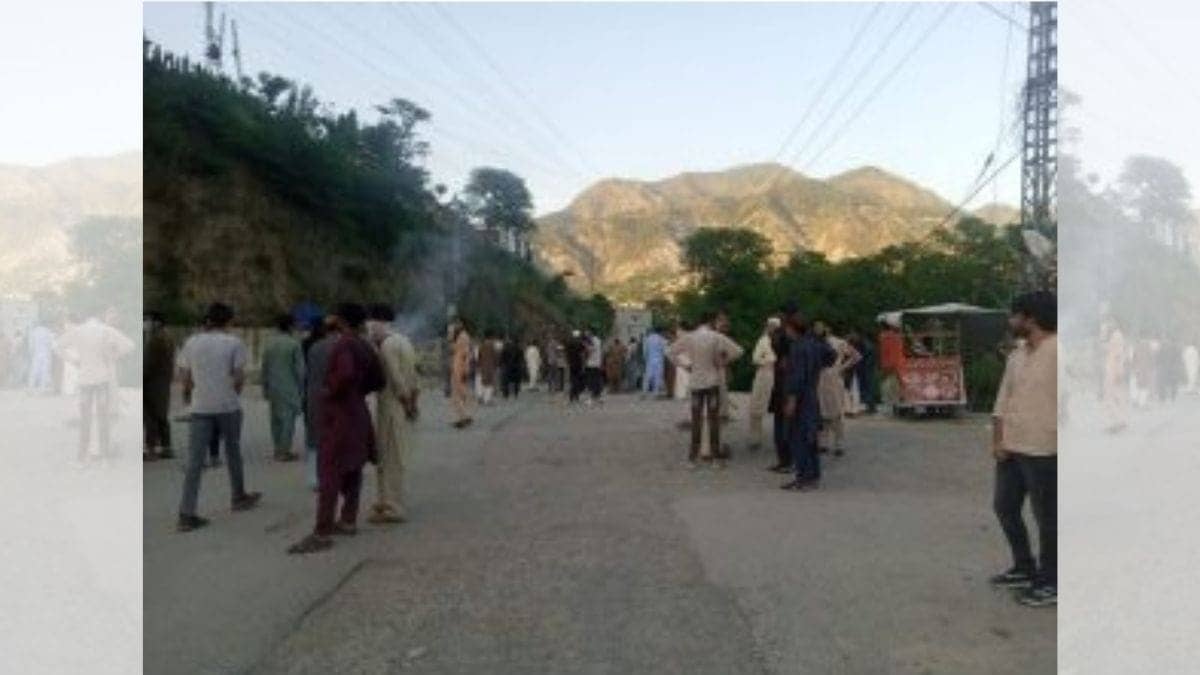
In Pakistan-administered Jammu and Kashmir, the primary political dynamic involves active public demonstrations concerning the mechanics of electoral representation. Reports indicate that protests are occurring within PoJK as citizens and political actors engage with issues surrounding voting rights and political inclusion. These demonstrations signal a populace actively seeking to influence the electoral process and ensure their voices are heard in governance structures.
Focus on Political Representation and Citizen Engagement
The narrative in this sector is dominated by the struggle for political voice. According to reporting, the region is witnessing sustained activity where the central theme is the demand for or debate over electoral mechanisms. This focus on votes stands in sharp contrast to the administrative activities occurring just across the border. The protests underscore a desire for greater democratic participation and a questioning of the existing electoral framework within PoJK. Stakeholders involved in these protests include various political parties, civil society groups, and ordinary citizens who feel their representation is inadequate or unfairly managed. The specific grievances often revolve around issues such as the delimitation of constituencies, the fairness of elections, and the extent of autonomy granted to local political bodies.
Administrative Overhaul in India-Administered Jammu and Kashmir
Conversely, the administration in India-controlled Jammu and Kashmir has shifted its operational emphasis toward tangible governance metrics and digital infrastructure. The government in this region is actively implementing land reforms, a move aimed at restructuring property rights and agricultural records. This initiative is part of a broader strategy to modernize land management and provide greater clarity and security for landowners.
Digital Identification and Capacity Building for Development
Alongside land reforms, the India-administered territory is rolling out unique identification numbers for its residents. This digital push is part of a broader strategy to establish farmer registries and improve the overall administrative capacity of the state. The goal, as described in available reports, is to "win people over" through the provision of land parcels and verified digital identities rather than through political campaigning. This approach represents a shift toward technocratic governance, where service delivery and record-keeping are prioritized as primary tools of state-building. The administration is focusing on creating a framework for development that relies on data and legal documentation. The implementation of digital identification systems aims to streamline access to government services, enhance transparency, and create a more efficient administrative apparatus. The focus on administrative capacity building includes training for government officials and the adoption of new technologies to improve public service delivery. These reforms are intended to foster economic growth and improve the quality of life for residents by establishing a more robust and responsive governance system.
The Question of Political Unity Amidst Divergent Realities
Amidst these divergent paths, the broader question of political unity in Kashmir remains a subject of discourse. While the two administrations pursue different immediate goals—one focused on electoral politics and the other on administrative digitization—the underlying issue of how these territories relate to each other persists. The current situation presents a complex picture where differing approaches to governance and development are creating distinct realities on the ground.
Commentary surrounding the region suggests that despite the operational differences, the call for political unity continues to be a relevant theme in discussions about the future of Kashmir. However, the immediate reality on the ground is defined by the stark contrast between PoJK's fight over votes and J&K's implementation of land reforms. This divergence in priorities and methods raises questions about the potential for a unified future and how the aspirations of the people in both regions might be reconciled. The ongoing developments in both PoJK and J&K are shaping the immediate political and administrative landscape, while the long-term question of Kashmir's ultimate political destiny remains a subject of ongoing debate and aspiration.