

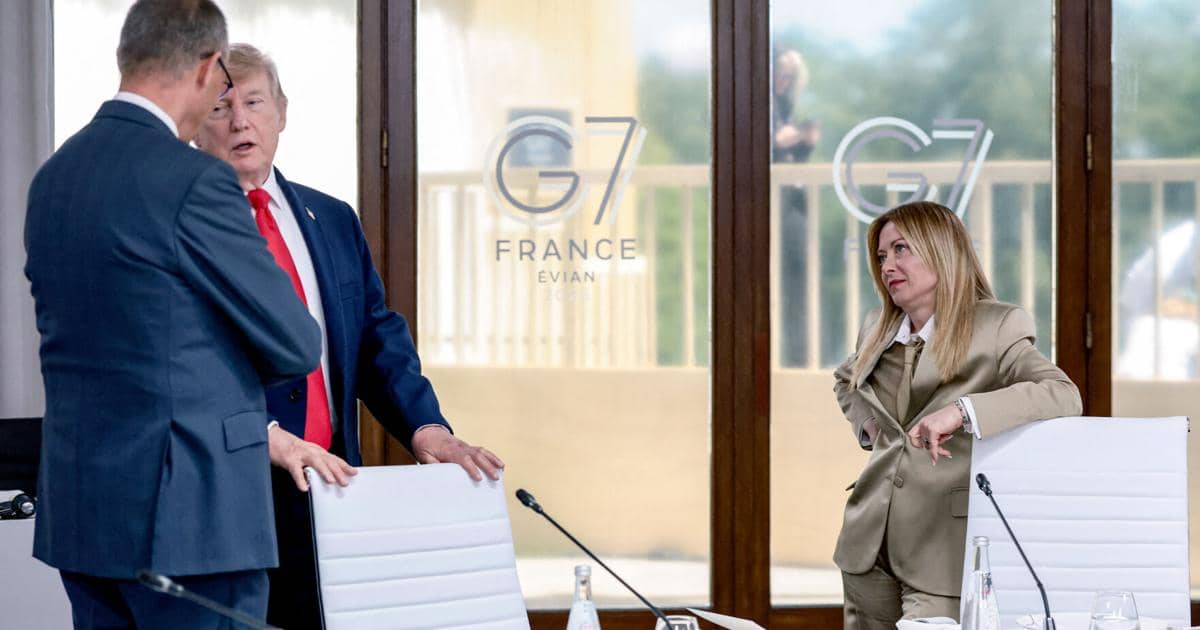

A Rejection of Traditional Diplomatic Norms
Andreas Kluth has articulated a perspective that explicitly rejects conventional diplomatic approaches, framing the United States' current foreign policy trajectory through the lens of national identity. In a recent commentary published by The Eagle, Kluth asserted that the prevailing political stance prioritizes American sovereignty to the exclusion of international cooperation. This viewpoint is encapsulated in his statement, "No diplomacy please, we’re American," which serves as a direct assertion of a specific interpretation of American identity within the current administration's framework.
Kluth’s remarks suggest a fundamental shift away from established diplomatic protocols. The commentary indicates that this rejection is not merely tactical but ideological, rooted in a definition of Americanism that views traditional multilateral engagement as unnecessary or detrimental. By invoking the phrase "we’re American," Kluth aligns the dismissal of diplomacy with a core component of national self-conception, implying that such an approach is intrinsic to the current political era rather than a temporary policy adjustment.
The Trajectory of 'America First' Policy
The commentary places Kluth’s assertion within the broader context of the "America First" policy. According to the text, this policy framework has long been perceived by observers outside the "die-hard MAGA scene" as inevitably leading to a state of isolation for the United States. Kluth notes that it has been "long been clear" to those not deeply embedded in the MAGA movement that the implementation of "America First" would sooner or later amount to "America Alone." This observation suggests a causal link between the stated policy goals and the resulting geopolitical standing of the nation.
The analysis provided in the source material posits that the isolationist outcome is not an unintended consequence but a logical endpoint of the policy's design. The commentary argues that the initial promise of prioritizing domestic interests over international commitments has evolved into a strategy that systematically distances the United States from its traditional allies and global institutions. This interpretation frames the current foreign policy direction as a deliberate move toward unilateralism, where American actions are taken without regard for diplomatic consensus or international reaction.
Accelerating Alienation Under President Trump
The commentary highlights an accelerating pace in the alienation of other nations under the administration of President Donald Trump. Kluth describes this trend as ongoing and intensifying, noting that the president is actively isolating his own country through these actions. The text emphasizes the speed at which these diplomatic relationships are deteriorating, suggesting that the administration’s approach is not gradual but rapid and decisive in its impact on international relations.
According to the source, this alienation is a visible result of the administration’s policies. The commentary does not attribute specific incidents or dates to this acceleration but focuses on the observable trend of increasing isolation. Kluth’s perspective implies that the current leadership’s actions are directly responsible for the widening gap between the United States and other nations. The text suggests that this isolation is becoming more pronounced over time, with each successive action contributing to a broader disengagement from the global community.
Contrasting Views on National Identity and Foreign Policy
The commentary draws a sharp distinction between the views held by "die-hard MAGA" supporters and those held by observers outside that political circle. While Kluth’s statement asserts a proud rejection of diplomacy as an expression of American identity, the broader analysis suggests that this view is not universally shared or accepted. The text implies that the perception of "America First" leading to "America Alone" is a common understanding among those who do not adhere strictly to the MAGA ideology.
This divergence in perspective highlights a significant fault line in the current political discourse regarding foreign policy. Kluth’s assertion that "we’re American" serves as both a justification for rejecting diplomacy and a marker of political allegiance. However, the commentary suggests that this identification is contested, with critics viewing the resulting isolation as a strategic error rather than a patriotic virtue. The text does not provide direct counter-arguments from MAGA supporters but notes the clear divide in how the policy’s outcomes are interpreted.
Implications for International Relations
The commentary raises concerns about the long-term implications of this diplomatic retreat. By characterizing the current trajectory as one that leads to "America Alone," Kluth acknowledges the potential consequences of alienating other nations. The text suggests that this isolation could have significant effects on the United States’ ability to influence global events and maintain its position in international affairs.
The acceleration of this trend under President Trump is presented as a critical factor in shaping the current geopolitical landscape. The commentary implies that the speed of this alienation may outpace any potential benefits of prioritizing domestic interests, leading to a situation where the United States operates without the support or cooperation of its traditional partners. This perspective frames the current foreign policy direction as a high-stakes gamble with uncertain outcomes, driven by a specific interpretation of American identity and sovereignty.