

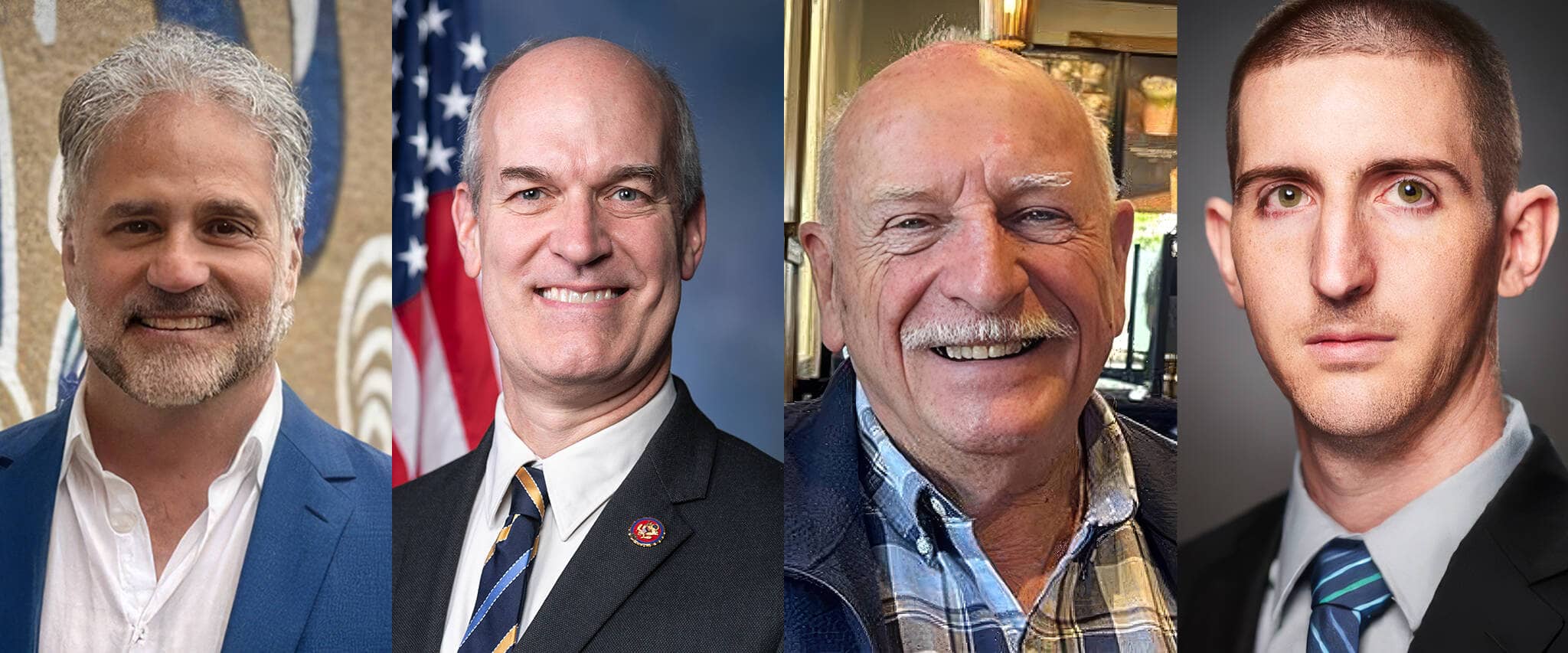

Incumbent Seeks Fourteenth Congressional Seat
U.S. Rep. Rick Larsen of Everett is pursuing a fourth consecutive term in office, marking a significant milestone in his extensive political career. The incumbent Democrat represents Washington’s 2nd Congressional District, a region he has served for a considerable period. Larsen, who has held the seat for multiple terms, is now seeking his 14th total term as a member of the U.S. House of Representatives. This pursuit underscores a long tenure in federal service, reflecting decades of experience and a deep-rooted presence in the district's political landscape.
His bid for re-election places him in a competitive field where he must defend his position against multiple opponents from within his own party and across the aisle. For a representative with such a long-standing record, the challenge involves not only mobilizing his established base but also addressing potential voter fatigue or calls for new leadership. The race highlights the ongoing political dynamics in the district, which has seen Larsen serve as a long-standing figure in federal representation for the region, navigating various political shifts and legislative priorities over the years.
Opposition Field Expands With Three Candidates
Three candidates have entered the race to challenge Larsen’s hold on the congressional seat, setting the stage for a multifaceted electoral contest. The field includes two Democrats and one Republican, creating a complex primary and general election landscape for the incumbent. This diverse slate of challengers ensures that Larsen will face scrutiny from both traditional partisan rivals and those within his own party who believe a different approach is needed.
The presence of multiple challengers indicates a heightened level of political engagement and a desire among various segments of the electorate to offer alternatives to the long-serving incumbent. This configuration means Larsen must not only prepare for a general election battle but also navigate a primary contest that could test his support among Democratic voters.
Republican Contender Enters Fray
A Republican candidate has joined the list of those seeking to unseat Larsen, introducing a traditional partisan dynamic into the race. This challenger represents the opposition party in the district and aims to capitalize on any dissatisfaction with the current administration or the representative’s voting record. The Republican campaign will likely focus on national issues, federal spending, and the incumbent's alignment with the Democratic party's platform, seeking to draw a clear contrast for voters.
The presence of a Republican opponent ensures that Larsen will face traditional partisan scrutiny in the general election phase, where debates often center on broader ideological differences and the performance of the party in power. This challenger will likely attempt to energize conservative voters and appeal to independents who may be looking for a change in federal representation.
Democratic Challengers Challenge From Within
In addition to the Republican challenger, two Democrats are running against Larsen. Their participation indicates internal party competition for the nomination or a desire to offer an alternative perspective within the Democratic caucus. These candidates argue that they can better represent the interests of Washington’s 2nd Congressional District than the current representative, suggesting a potential divergence in policy priorities or legislative strategies.
These internal challenges often force an incumbent to defend their record and policy positions against criticisms from within their own political ideology. The Democratic challengers might highlight areas where they believe Larsen has not been sufficiently progressive, responsive, or effective, aiming to appeal to voters who seek a different kind of Democratic leadership for the district. Their campaigns could focus on specific local issues, advocating for approaches that they believe would better serve the community's evolving needs.
The inclusion of multiple Democratic challengers suggests that Larsen faces significant hurdles not only from the opposing party but also from voters within his own political coalition who may feel disconnected from his legislative approach or policy priorities. Such internal contests can sometimes be resource-intensive for an incumbent, requiring them to campaign vigorously during the primary phase before consolidating party support for the general election.
District Dynamics and Election Timeline
Washington’s 2nd Congressional District covers a significant portion of the state’s northwestern region, encompassing diverse communities and economic interests. This area includes parts of Snohomish County, a populous and economically active region. Everett serves as a key city within this district, acting as a central hub for commerce and community life, and Larsen has maintained his base of support in this area throughout his career, indicating a strong connection to its residents and local leadership.
The district's demographics and economic drivers, which often include aerospace, maritime industries, and a growing technology sector, play a crucial role in shaping the political discourse. Candidates will likely tailor their messages to resonate with the specific concerns of these varied communities, addressing issues pertinent to both urban centers and more rural areas within the district.
The Path to Election Day
The race is scheduled for the upcoming election cycle, which typically involves a primary election followed by a general election. Voters in the district will first participate in a primary to narrow down the field of candidates, determining which two contenders will advance to the final ballot. This primary will be particularly critical for Larsen, as he faces challenges from within his own party, potentially forcing him to expend resources and define his platform early in the cycle.
Following the primary, the general election will determine whether Larsen retains his seat or if one of the three challengers succeeds in overturning his long tenure. The outcome will depend on a confluence of factors, including overall voter turnout, the financial resources available for campaign spending by each candidate, and the effectiveness of each candidate’s message regarding both local issues and national policy debates. The ability of candidates to connect with voters on bread-and-butter issues, while also articulating a vision for the nation, will be paramount.
As the election approaches, all candidates are expected to focus heavily on constituent services, economic development initiatives important to the region, and securing federal funding for local projects. Larsen’s extensive record during his previous terms will likely be a central topic of debate among the contenders, with challengers scrutinizing his legislative achievements and policy decisions, while Larsen will undoubtedly highlight his experience and successes in representing the district's interests in Washington D.C.