

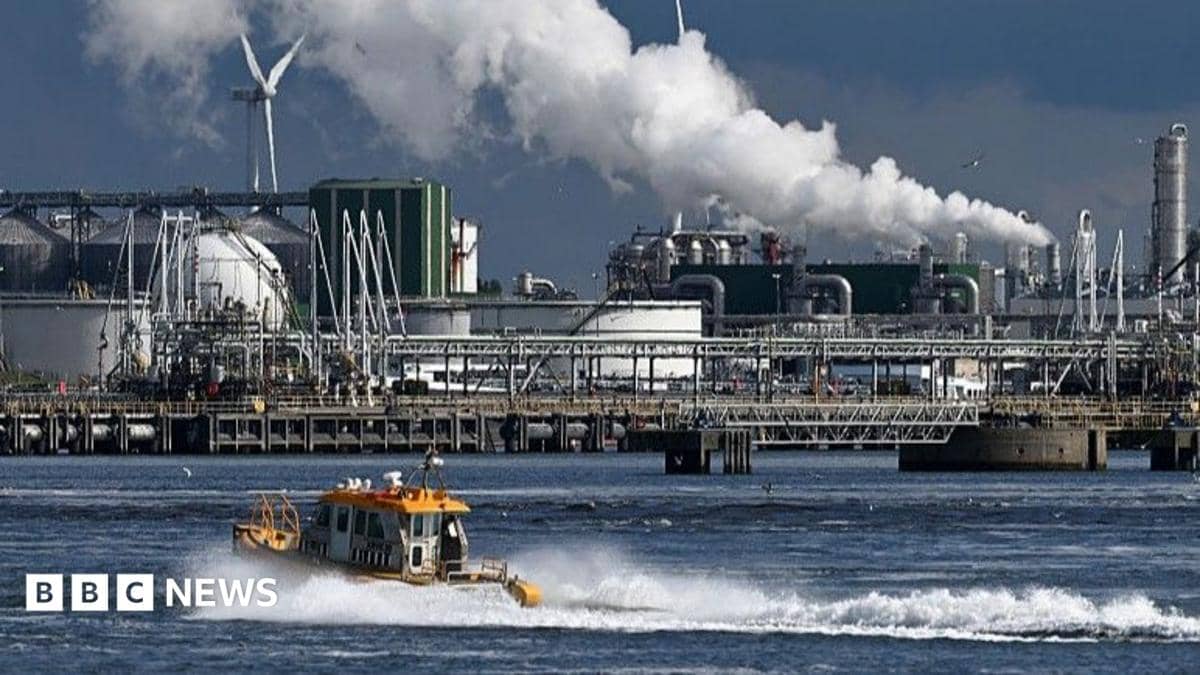

Rotterdam stands as the premier destination for freight movement in Europe. Located within the delta formed by the Rhine and Meuse rivers, this area consists largely of land reclaimed from the North Sea. By several measures, the port handles a volume of cargo that rivals nearly all United Kingdom ports combined.
Lawsuit Targets Port Authority's Environmental Pace
An environmental group known as Advocates for the Future has initiated legal proceedings against the governing body managing the facility. The lawsuit contends that the Port of Rotterdam Authority is failing to act with sufficient speed or vigor in reducing its reliance on fossil fuel companies.
The plaintiffs argue that current operational strategies do not adequately address the need for decarbonization within such a massive industrial complex. This legal challenge underscores the tension between maintaining heavy industry operations and meeting increasingly strict environmental expectations placed upon major European logistics hubs.
Scale of Operations and Carbon Footprint
The physical landscape at Rotterdam is dominated by cranes, bulk carriers, and stacks of containers. These visible elements represent a vast hub for energy production and chemical manufacturing. Five oil refineries operate within the port area, processing hundreds of thousands of barrels of crude oil on a daily basis.
Among these facilities is one belonging to Shell, which represents the largest refinery in Europe located at this site. A tight cluster of chemical plants operates alongside the refineries, feeding manufacturing factories across the European continent with essential materials derived from petrochemical processes.
Emissions Comparison and Data
Research conducted by CE Delft provides specific data regarding the environmental impact associated with these operations. The fossil fuels flowing through the port are ultimately linked to approximately 600 megatonnes of carbon dioxide emissions annually. This figure represents a substantial volume when compared to other major transportation infrastructure in the region.
According to the same research, this annual emission level is many times higher than the total carbon dioxide output generated by Schiphol Airport, which serves as the largest airport in the Netherlands. The disparity highlights the significant contribution of port logistics and refining activities relative to aviation emissions within the country's borders.
Transition Challenges for Heavy Industry
The situation at Rotterdam illustrates a broader challenge facing global trade infrastructure: how to transition an industrial base heavily dependent on fossil fuels toward a greener operational model. The sheer scale of cargo handled and the number of active refineries create complex logistical hurdles.
Industry experts note that decarbonizing such deep-water ports requires addressing multiple variables, including supply chain logistics, refining technologies, and chemical production methods simultaneously. The port's status as a test case for this question suggests that solutions developed here may influence environmental strategies at other major global shipping terminals worldwide.
Dual Nature of Port Infrastructure
While the facility functions primarily as an energy and chemicals hub, its future trajectory remains uncertain in light of current legal actions. The lawsuit brought by Advocates for the Future serves to amplify voices calling for accelerated change within this critical economic zone.
The port's management faces scrutiny regarding whether existing policies suffice or if more aggressive measures are required to align with environmental goals. This debate reflects a growing consensus that traditional models of heavy industry must evolve, even as they continue to support continental manufacturing needs.