

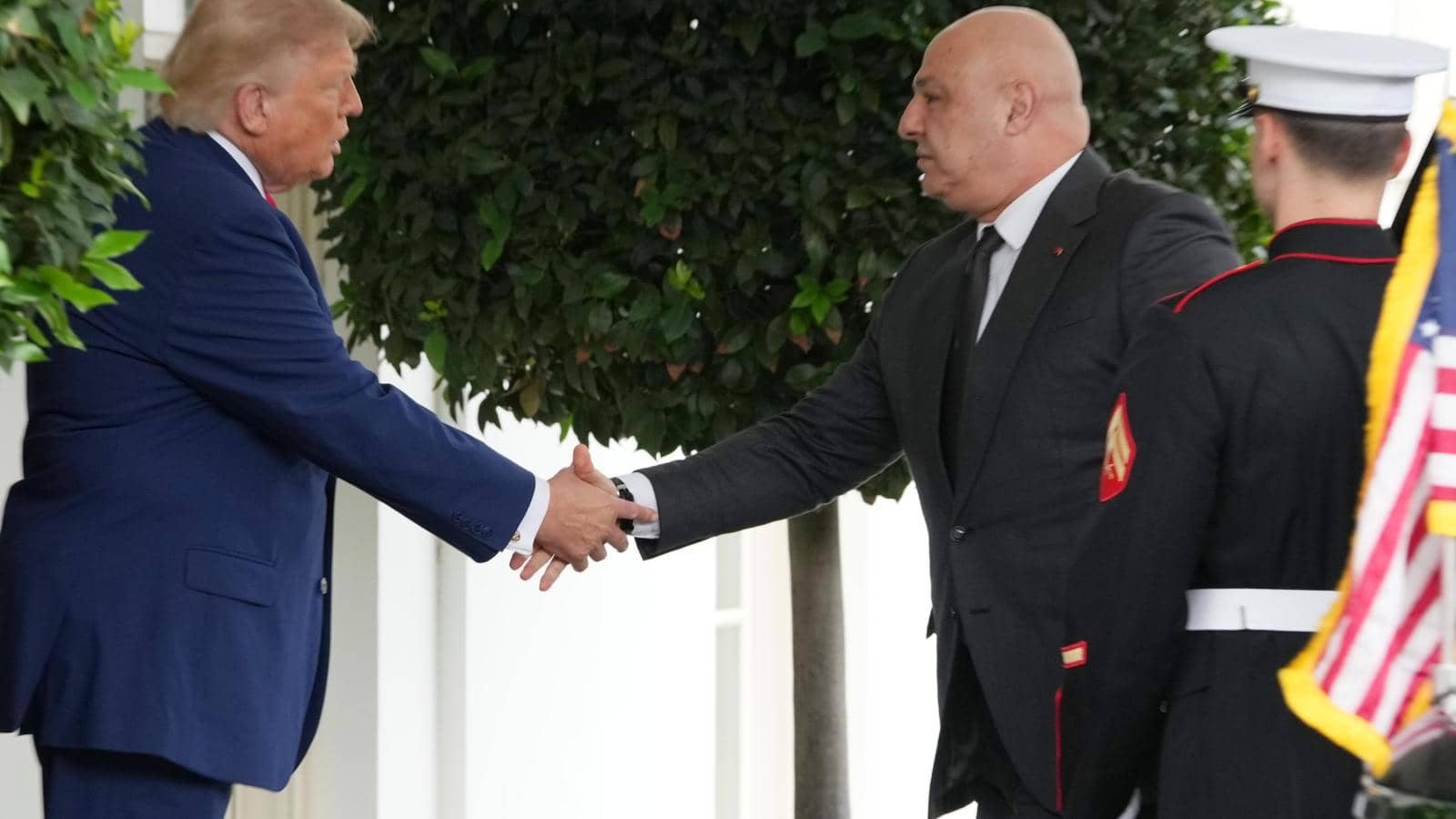

Lebanese President Presses for Israeli Withdrawal in D.C. Talks
Lebanese President Joseph Aoun met with U.S. President Donald Trump at the White House in Washington D.C. on Tuesday, July 21st, 2026. The high-level diplomatic engagement was primarily aimed at advocating for the immediate withdrawal of Israeli forces from Lebanese territory. This direct appeal from the Lebanese head of state underscored the urgency of the ongoing military situation impacting his nation.
During the discussions, President Aoun directly addressed the persistent military actions along the border, emphasizing the critical need for Israel to cease its ground invasion and extensive aerial campaign within Lebanon. The meeting provided a crucial platform for Beirut to convey the gravity of the situation and seek American diplomatic intervention to de-escalate the conflict.
Direct Engagement Amid Regional Turmoil
The bilateral meeting unfolded against a backdrop of escalating violence that has drawn significant international attention, as reported by numerous news outlets covering international affairs. Sources close to the discussions indicated that the talks were heavily centered on pressing humanitarian concerns and broader regional stability issues, both of which are directly linked to the troop movements and military operations in the area. The direct engagement between President Aoun and President Trump highlighted the perceived necessity of high-level diplomatic intervention to address a rapidly deteriorating situation.
Devastating Human Cost Drives Diplomatic Urgency
Reports from Washington D.C. following the meeting brought into sharp focus the severe consequences of Israel's military actions in Lebanon over recent months. Data cited during and after the discussions revealed a staggering human toll: ground invasion tactics, combined with widespread aerial bombing campaigns, have resulted in a death toll exceeding 4,000 individuals. This grim statistic served as a powerful impetus for President Aoun's diplomatic mission, underscoring the profound loss of life experienced by the Lebanese population.
A Million Displaced by Ongoing Military Operations
Beyond the tragic loss of life, the military operations have triggered a massive displacement crisis within Lebanese territory. More than 1.2 million people have been forced from their homes, seeking safety from the conflict. The sheer scale of this internal displacement was presented as a critical factor influencing the diplomatic agenda between Washington and Beirut representatives, highlighting the immense humanitarian challenge facing Lebanon and the broader region. The displacement has placed immense strain on Lebanon's resources and infrastructure, further compounding the urgency for a cessation of hostilities.
U.S. Pledges for Recovery and Stability
Prior to the conclusion of their discussions, President Trump pledged United States assistance specifically directed toward Lebanon. This commitment encompasses broader support mechanisms intended for the affected population, with a focus on aiding recovery efforts following the cessation of hostilities or a significant reduction in military intensity. The U.S. administration framed this aid package as a direct response to the urgent requests made by Lebanese leadership during the bilateral talks held at the White House complex on July 21st, 2026. While specific funding amounts were not immediately released, they remain a key component of ongoing diplomatic negotiations between Washington and Beirut, signaling a commitment to long-term stability.
Restoring Vital Aviation Links
Beyond humanitarian aid, President Trump also addressed logistical matters concerning transportation infrastructure connecting the United States with Lebanon. During a separate segment of their conversation, which focused on international relations protocols and bilateral ties, he announced plans for resuming commercial flights between Washington D.C. and Beirut. This announcement marked a potential and significant shift in diplomatic engagement levels, particularly following previous suspensions or restrictions that had affected air travel routes involving Middle Eastern nations during periods of heightened regional tension. The restoration process for these vital air links remains subject to further coordination with relevant aviation authorities on both sides of the Atlantic Ocean, symbolizing a step towards normalcy and renewed connectivity.
Regional Instability Shapes Bilateral Discussions
The timing of this crucial meeting coincided with broader geopolitical developments affecting the Mediterranean region and surrounding areas. Analysts observed that such high-profile encounters between American leadership and counterparts from neighboring countries frequently occur during periods that demand immediate diplomatic intervention or mediation efforts. The escalating conflict in Lebanon has significant implications for regional stability, making the U.S. role as a potential mediator or facilitator of peace efforts particularly important.
News coverage across multiple platforms, including the Paradise Post and Redlands Daily Facts, consistently emphasized the gravity of the situation facing Lebanon's civilian population. These reports also documented President Trump’s public statements regarding future cooperation frameworks established during President Aoun's visit to Washington D.C., highlighting the international community's concern and the potential for collaborative solutions.
The Path Ahead for De-escalation
Sources close to the negotiations suggested that both parties acknowledged the necessity for de-escalation measures. Official briefings released after July 21st, 2026, presented documented facts without attributing specific blame or assigning responsibility for the conflict. Statements issued by the White House press team reiterated President Trump’s commitment to supporting international peacekeeping initiatives involving Lebanon, signaling a desire to contribute to a lasting resolution.
While detailed terms of any proposed ceasefire agreements or troop withdrawal schedules were not publicly disclosed during initial reporting cycles, representatives from both governments indicated a clear willingness to pursue additional rounds of dialogue. These future discussions are aimed at achieving mutually acceptable outcomes regarding security arrangements along the sensitive border zone between Israel and Lebanon, underscoring the ongoing nature of the diplomatic efforts to secure peace and stability in the region.