


Emergency Transport Fails Due to Infrastructure Gaps
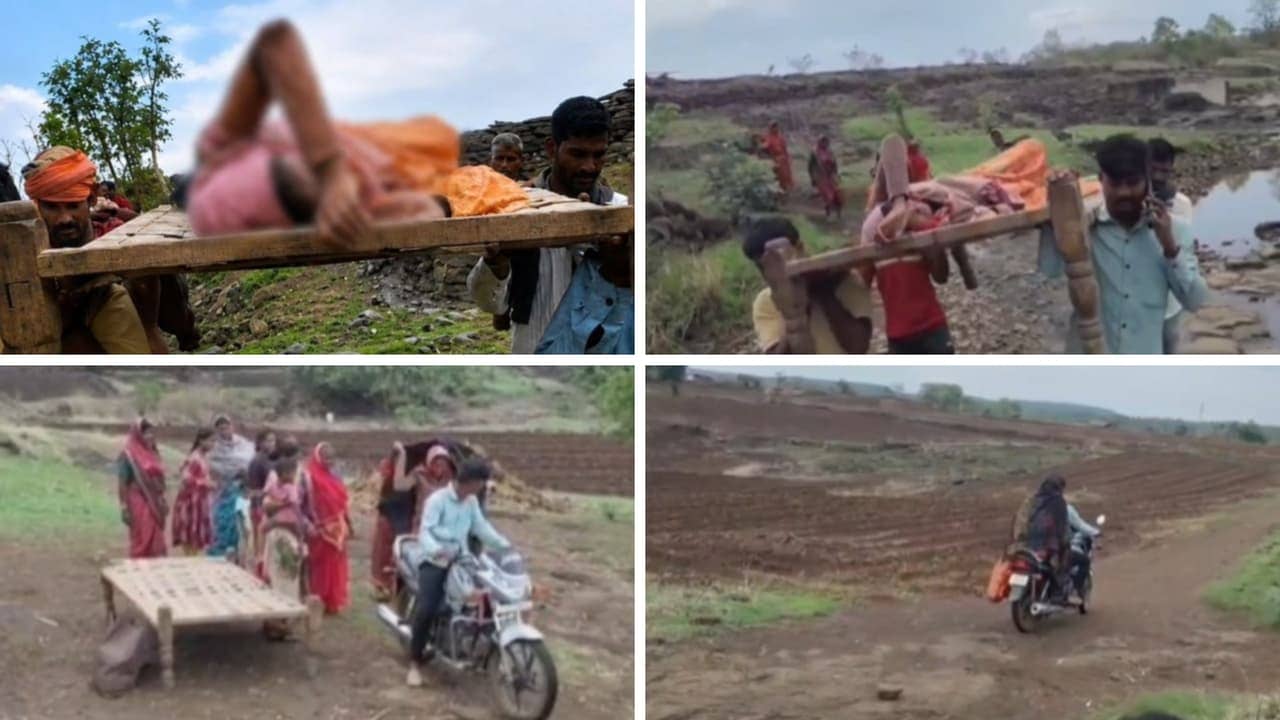
A pregnant woman in the Chhindwara district of Madhya Pradesh delivered her baby while being carried on a cot by villagers, following the failure of an ambulance to reach her remote location. The critical incident occurred in Lohri Mohalla of Hathoda Hiri village, situated within the Amarwara block, a region known for its challenging rural landscape and seasonal connectivity issues. According to detailed reports, the emergency ambulance was unable to access the village because of a severe lack of proper road connectivity and, crucially, the absence of a permanent bridge over a rain-fed river.
The sequence of events highlighted the profound difficulties faced by residents. Upon realizing the ambulance could not traverse the impassable route, villagers quickly mobilized. They transported the pregnant woman across the river on a makeshift cot, navigating the treacherous terrain and the waterway itself. Video footage from the incident, which later circulated widely on social media platforms, vividly depicted villagers carrying the woman through the water. This lack of a permanent crossing point meant that emergency vehicles, designed for rapid response, could not navigate the terrain, particularly during the monsoon season when the river swells.
The incident is not isolated; several families in the area remain cut off during this period each year due to the missing infrastructure. The Asianet Newsable report notes that the incident has drawn nationwide attention after the video went viral, underscoring the severe difficulties faced by residents in remote areas when emergency services are required but cannot reach them due to geographical and infrastructural barriers.
A Harrowing Birth and a Fortunate Outcome
Despite the challenging and perilous circumstances surrounding the delivery, both the mother and the newborn baby are reported to be healthy. The successful outcome of the birth, against such significant logistical failures, stands as a testament to the villagers' quick thinking and resilience. However, the event has simultaneously sparked widespread criticism regarding the state of rural healthcare access and the pace of infrastructure development in the region.
The incident in Hathoda Hiri village underscores the broader, systemic challenges of providing timely medical care in areas with limited connectivity. In many remote villages across Madhya Pradesh and similar regions, monsoon rains exacerbate existing infrastructure deficits, rendering travel difficult or, in this case, impossible for emergency responders. The reliance on villagers to undertake such dangerous transport methods highlights a critical gap in the emergency response chain.
Community Action Amidst Systemic Failure
The decision by the villagers to carry the woman on a cot across the river was a direct response to the immediate and life-threatening situation. This act of community solidarity, while heroic, also serves as a stark illustration of the consequences when public infrastructure fails to meet basic needs. The makeshift method of transport, inherently unsafe, became the only viable option for the woman to access any form of care, even if it meant delivering her child en route.
Systemic Gaps Highlighted by Public Outcry
The viral video of the incident has been shared widely on platforms such as X (formerly Twitter), igniting a fresh wave of public discourse. Users across the country have highlighted the critical lack of basic amenities and essential infrastructure in rural Madhya Pradesh. The incident has renewed debates about the state of rural healthcare provision and the urgent need for bridge construction in flood-prone areas, emphasizing that such infrastructure is not merely a convenience but a matter of life and death.
Observers and commentators have pointed out that while the immediate outcome for the mother and child was positive, the situation reflects deeper, systemic issues in rural development. The absence of a bridge not only critically affects emergency medical transport but also significantly impacts daily life, educational access, and economic activities for residents of Hathoda Hiri village and surrounding communities. This isolation during the monsoon season disrupts livelihoods and perpetuates cycles of disadvantage.
Regional Connectivity Challenges in Amarwara
The Amarwara block, where Lohri Mohalla is located, is emblematic of many rural areas grappling with seasonal challenges. The rain-fed river that separates parts of the village from main roads serves as a critical, impassable barrier during the monsoon months. Without a permanent bridge, residents are forced to rely on precarious, makeshift methods to cross the water, which are often unsafe and entirely unsuitable for medical emergencies, school commutes, or transporting goods.
The incident in Lohri Mohalla has become a focal point for broader discussions on government accountability and infrastructure planning at both state and local levels. While no specific official response was detailed in the initial reports, the event has undeniably prompted renewed calls for improved road networks and enhanced emergency service accessibility in similar remote locations across Madhya Pradesh. The public outcry underscores the urgent need for proactive infrastructure development to prevent future tragedies and ensure equitable access to essential services for all citizens.