


AFD Victory Reshapes Eastern German Politics
The German state election in Magdeburg has resulted in a sweeping victory for the far-right Alternative for Germany (AFD) party, marking a significant development in the region's political history. The outcome of this election is being analyzed as part of a broader political surge that is reshaping the balance of power across Europe. Magdeburg, a city in eastern Germany, has emerged as a focal point for this shift, with the result signaling a potential change in the direction of German politics.
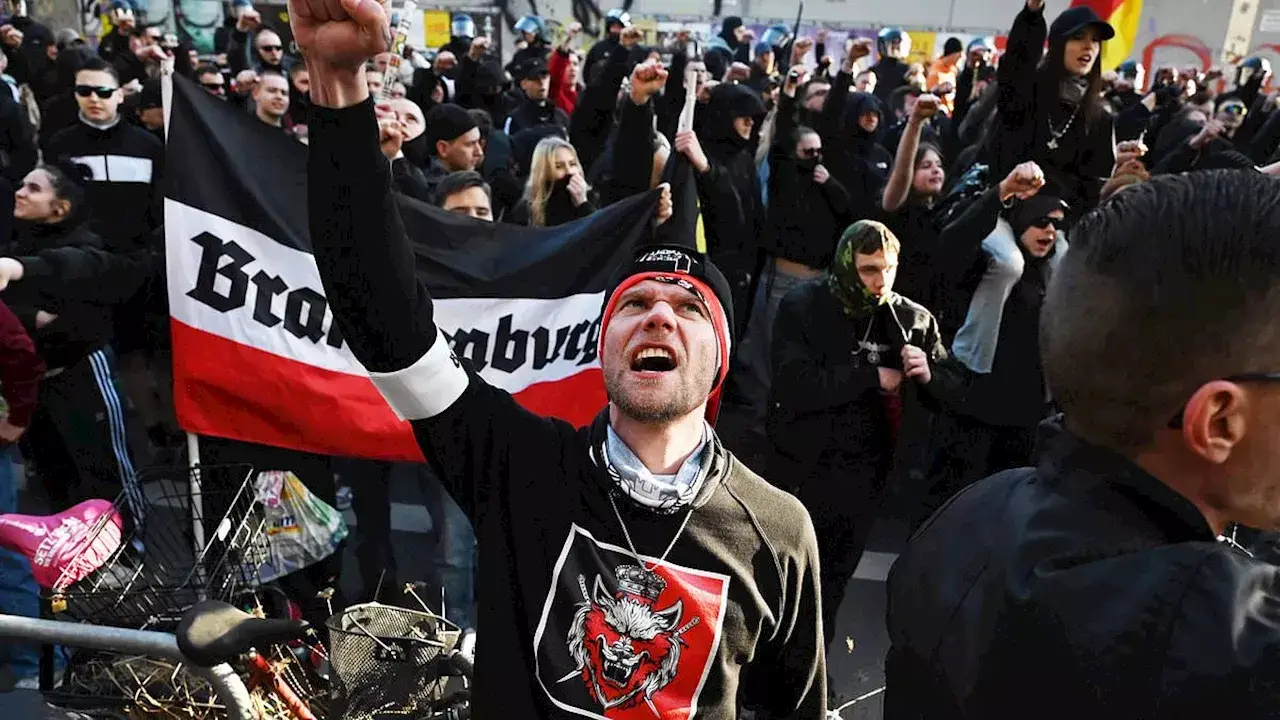
Throughout the week leading up to the state election, the city witnessed intense activity from AFD supporters. More than 1,000 supporters gathered at various locations, including the historic cathedral, the university campus, and the outskirts of the town. These gatherings were characterized by banners, slogans, and impassioned speeches directed at voters and political opponents alike.
The message conveyed by these assemblies was described as clear and unambiguous. Supporters expressed a definitive rejection of "Brussels-led multiculturalism," advocating instead for policies that prioritize national identity and sovereignty. The presence of such a large contingent in Magdeburg highlighted the depth of support for the AFD's platform within the local community.
Implications for EU Relations and Migration Policy
The results of the Magdeburg election are expected to influence the relationship between Germany, the European Union (EU), and the global refugee movement. Political observers note that the victory could have far-reaching consequences for how Germany engages with international bodies on issues of migration and border control.
The outcome has sparked debate regarding national identity, public safety, and international responsibilities. Critics and supporters alike are examining how the new political dynamic in Magdeburg will affect Germany's adherence to EU directives on migration. The election is seen as a test case for the strength of right-wing populist movements within the European Union.
Public Safety and National Identity Debates
Central to the AFD's campaign was the issue of public safety, which they linked directly to immigration policies. Supporters argued that rejecting multiculturalism was essential for maintaining order and security in German cities. The election results have intensified discussions about the role of national identity in modern Germany.
Opponents of the AFD have raised concerns about the potential impact of such a political shift on social cohesion and international cooperation. However, the immediate focus remains on the electoral victory itself and its interpretation as a rejection of current EU-led policies.
A New Era for German Politics
The victory in Magdeburg is being described as opening doors to a new era in German politics. The event underscores the growing influence of right-wing parties in eastern Germany and their ability to mobilize significant voter bases around issues of identity and sovereignty.
As politics shift across Europe, the outcome in Magdeburg serves as a indicator of broader trends. The election highlights the challenges faced by traditional political parties in addressing voter concerns about immigration and cultural change. The AFD's success suggests a realignment of political priorities in the region, with implications for future elections at both the state and federal levels.
The city of Magdeburg now stands at the center of this political transformation. The actions of its residents and the policies adopted by the new leadership will likely influence national discourse on migration, identity, and Germany's role within the European Union.